Community group helps Pacific Islands elders foster connection, wellbeing, and cultural pride through shared experiences and social outings
Eva ma le Koko is a South Auckland programme created to encourage Pacific Islands elders to network, connect and build relationships with each other.
And their name, which in Samoan translates to ‘relaxing with a cup of cocoa’, is an expression steeped in the Samoan tradition of fellowship and conversation.
The initiative was birthed under the umbrella of the 360 Tautua Trust which is dedicated to enriching the lives of Pacific elders by providing wraparound services.
One of those services include bus tours around Auckland, which was made possible through a partnership with the Ōtara-Papatoetoe board and the Auckland Council.
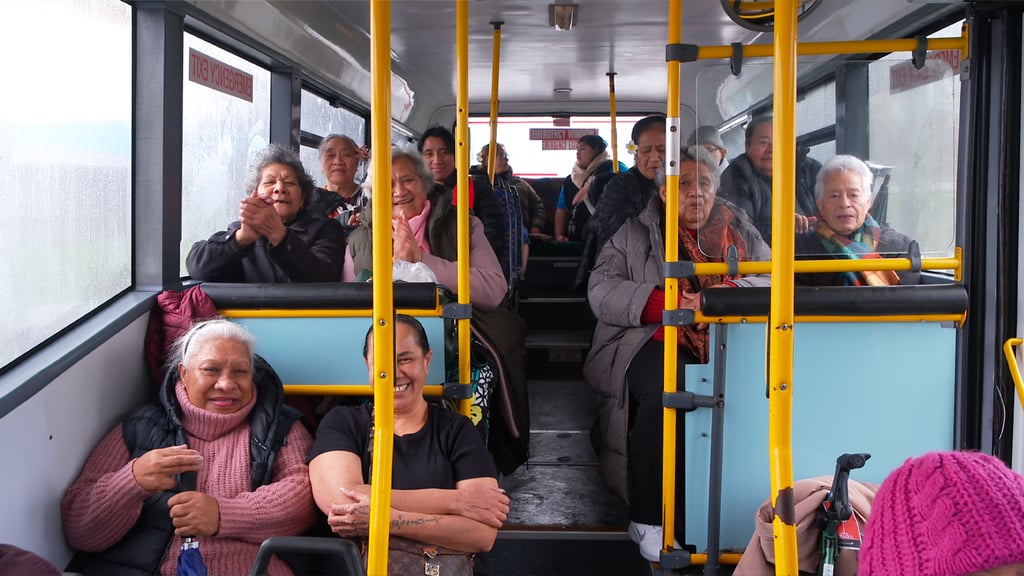
The tours also support a greater purpose in tackling loneliness and isolation among Pacific elders when left at home.
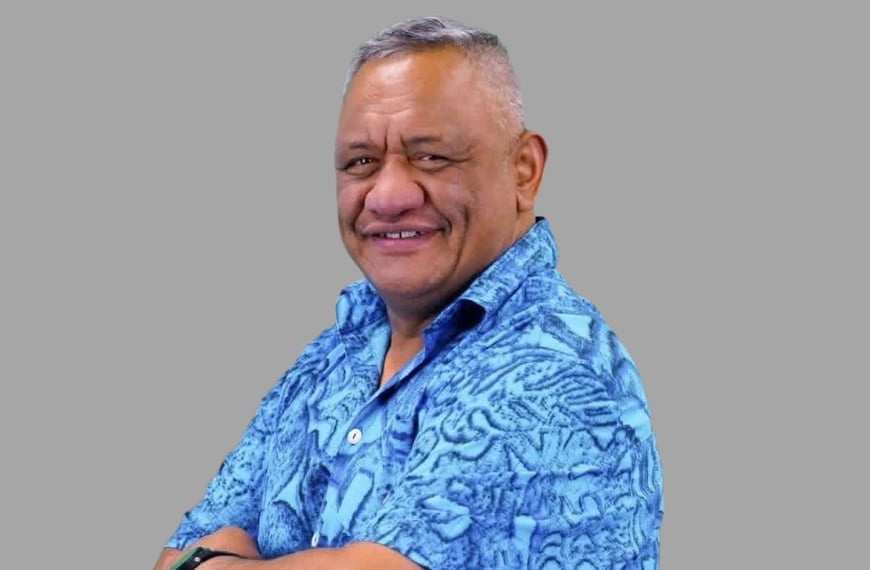
Manukau ward councillor Lotu Fuli says it’s all about connection and wellbeing.
“We’ve heard from our seniors that one of their biggest issues is that they’re at home… once the kids have all gone to school, they’re home all day by themselves,” she says.
“So they’re desperate for ways to reach out and connect… [Eva ma le Koko] provides a safe space for our seniors to go to meet other people in the same age bracket and to network and just cure that loneliness that they’re feeling.”
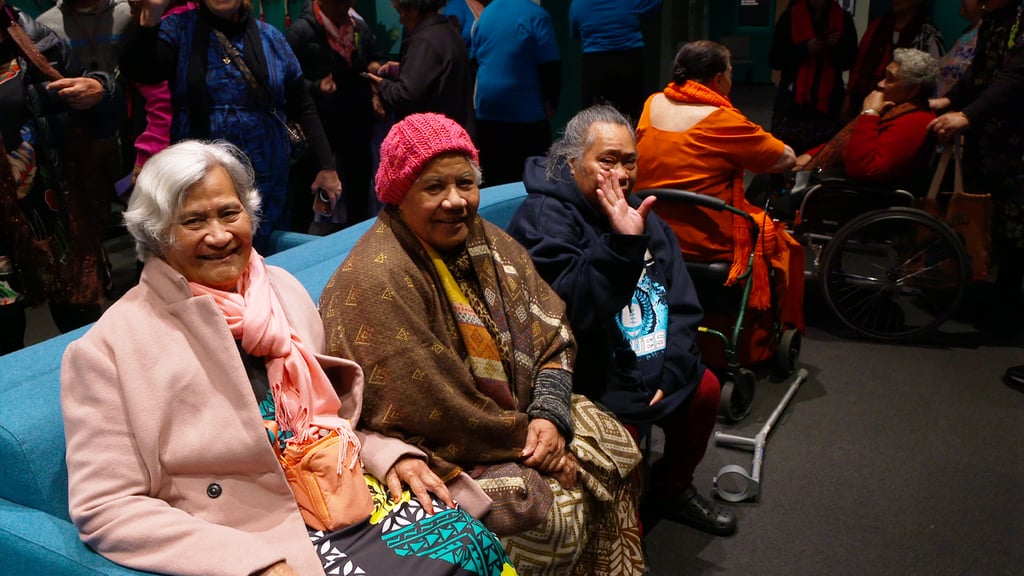
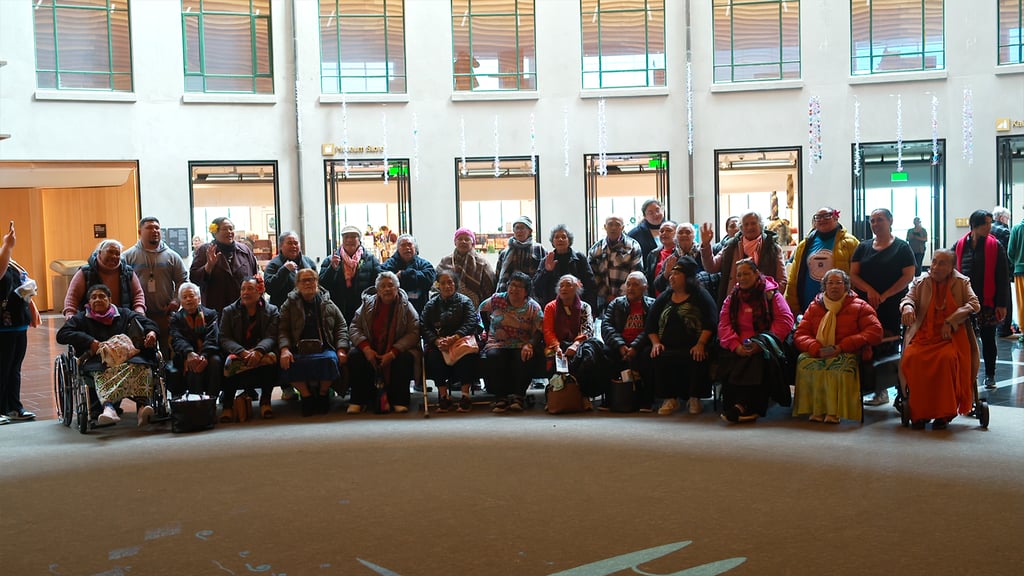
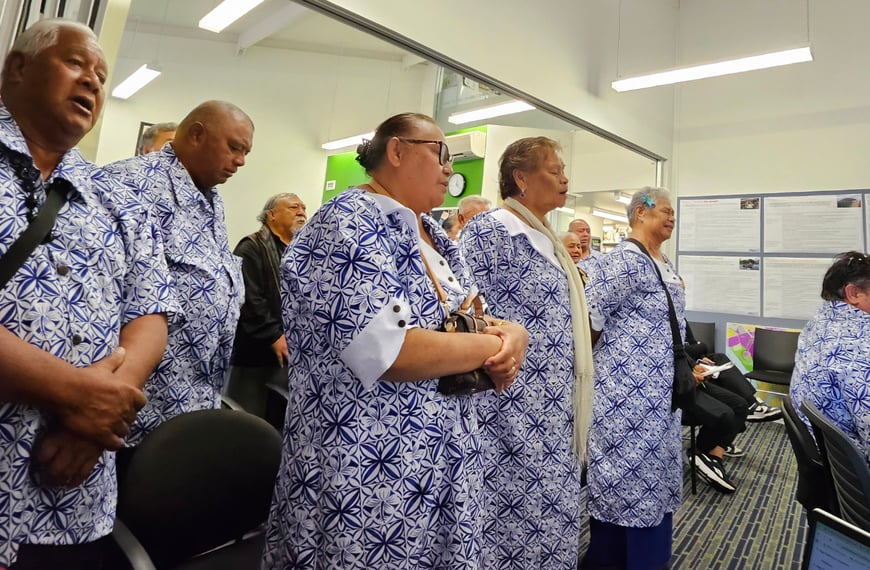
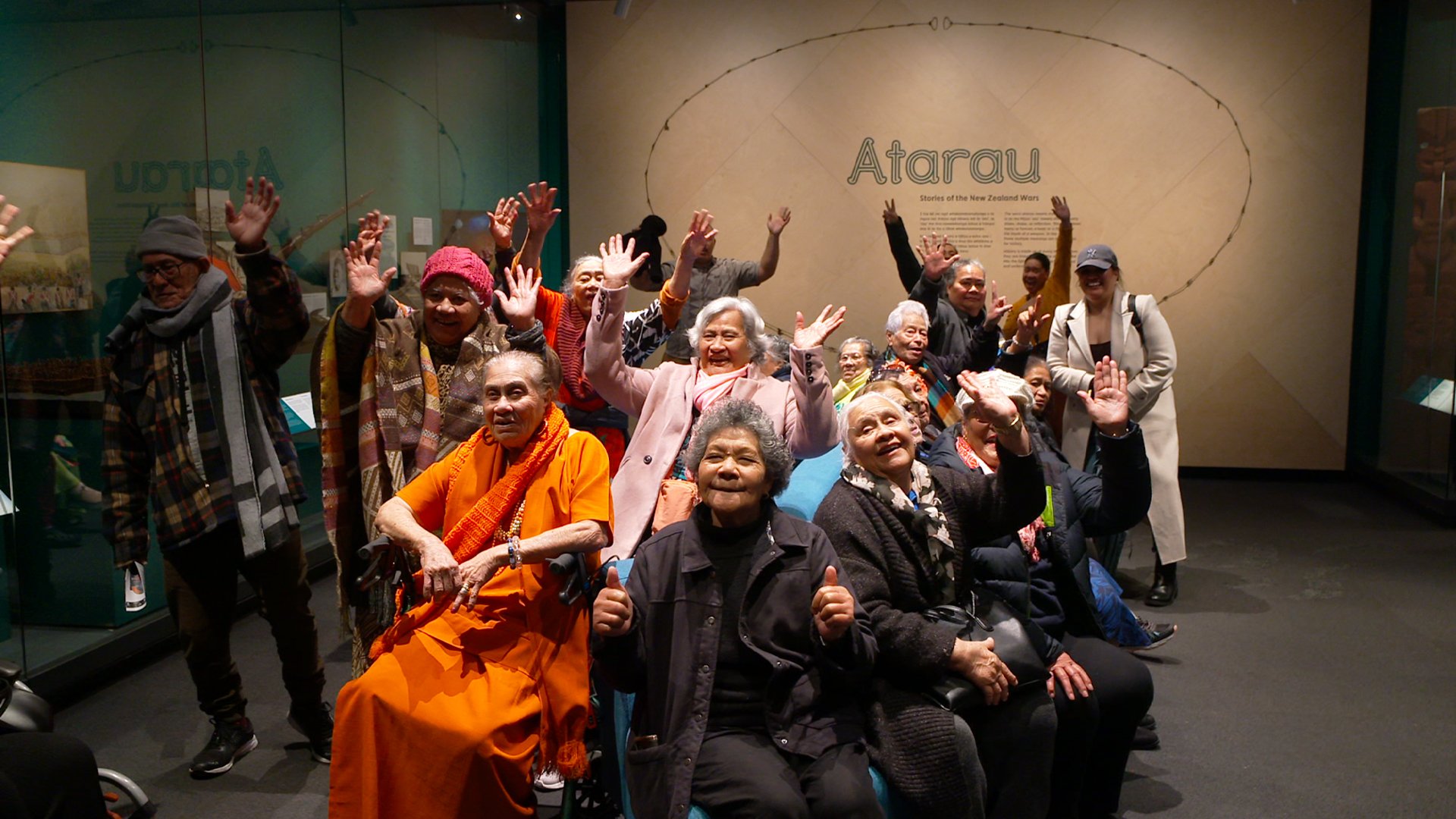
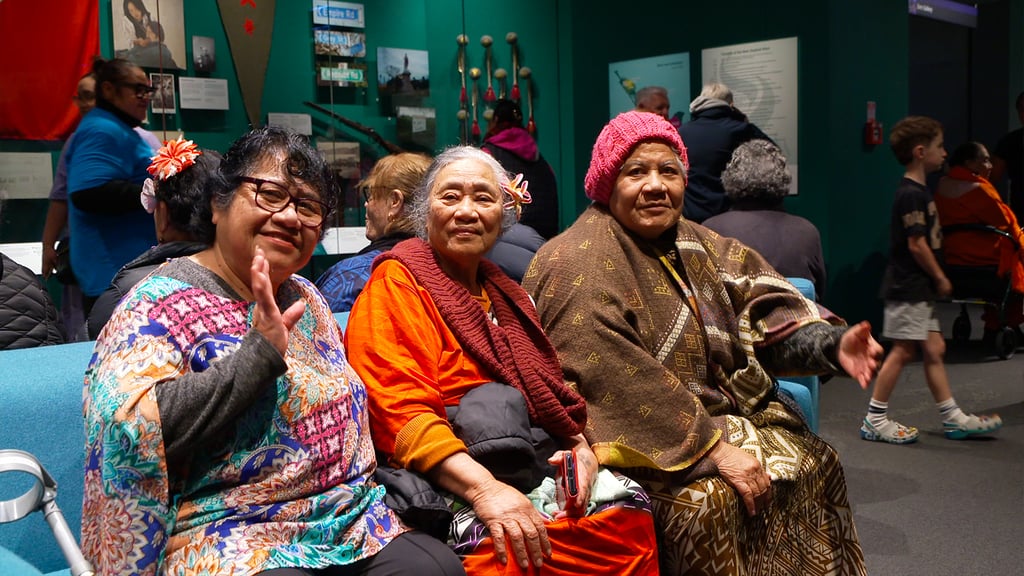
Those emotions were evidently relieved with laughter and bright smiles as the elders wandered through the halls of the Auckland Museum, during a tour last month.
Their first exhibition was the Mana: Protest in Print, which offered a glimpse into Māori and Pacific life in the 1970s. For some of the matua (elders), the exhibition was a walk down memory lane.
Speaking in Samoan, Eva ma le Koko participant Mere Autagavaia shares how meaningful it was to see familiar faces.
“It’s been long since I’ve seen them but it was like looking at them again when I saw their photos,” Mere says.
“I feel happy. I am thankful for the people I see here because they’ve helped me when I was young.”
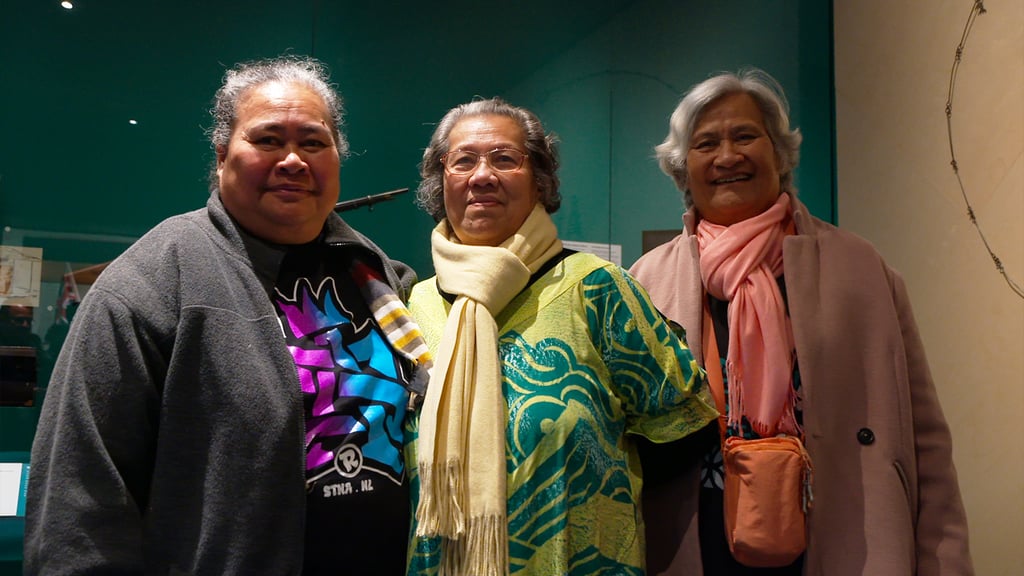
One participant who last visited the museum decades ago was surprised to see a story of her late husband tucked away in one of the exhibits.
“That just touched her heart and brought tears to her eyes,” Lotu says.
“It’s really important that we find ways to preserve our stories … It’s about preserving the stories of all Aucklanders, including our Pacific community, our Māori community and our new migrants as well.”
For many seniors, Eva ma le Koko is more than a programme, it’s a crucial support system that allows them to feel included. CEO of 360 Tautua Trust Romana Fetu explains that, at the heart of the initiative, is tautua (service).
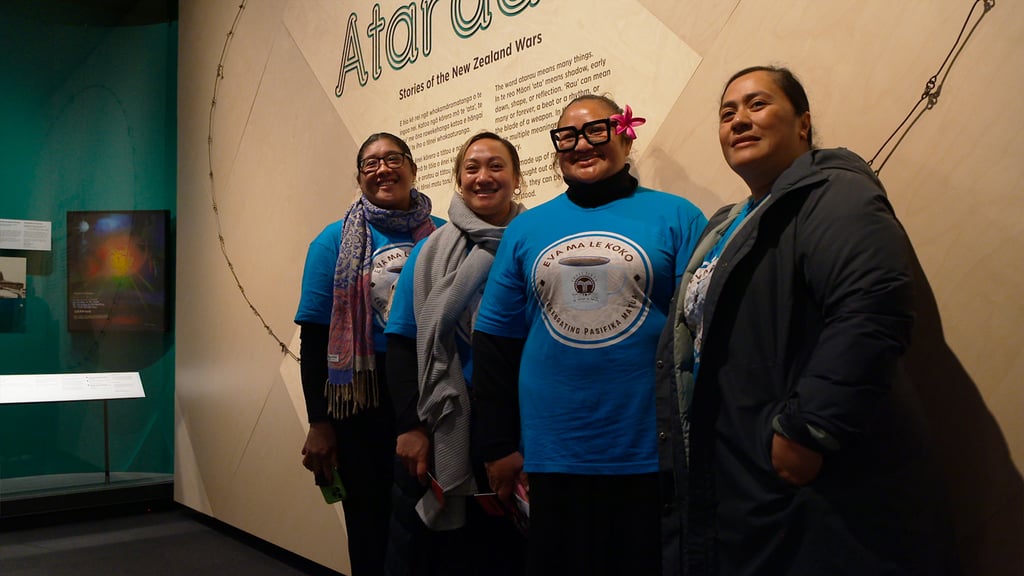
“I think for us, the joy that it brings them and what we see from their faces and these programmes that continually happening week after week, tells them that they’re not left behind,” Romana says.
“It brings me joy. Seeing the elderly is something that is so special and so important. And, you know, once they’re gone, we’re not going to be able to get that anymore.”
Through volunteers like Sally Pritchard, being a part of Eva ma le Koko brings an unique intergenerational learning experience.
“There are a lot of stories, different backgrounds and they just have so much history to tell and I love to listen,” Sally says.
“Seeing my grandfather also in the group just laughing all the time, I’ve enjoyed it.”
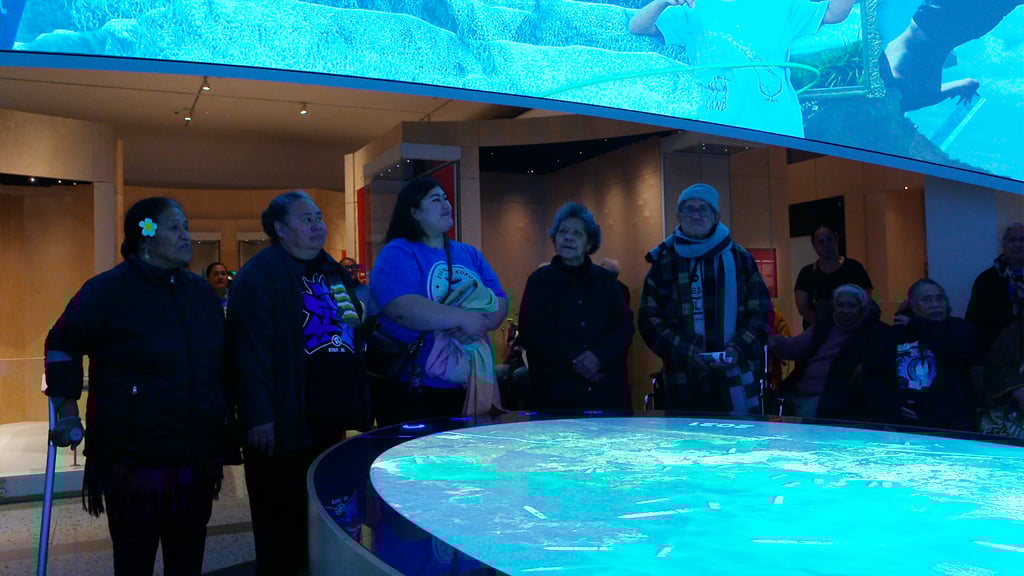
Despite occasional language barriers, Sally’s interactions with matua keeps her grounded.
“It gives you another outlook on life on how to be a little bit more wiser. They teach you a lot and they humble you a lot as well,” she says.
Sally’s reflections are just one example of the emotional and cultural value Eva ma le Koko brings to the community.
But even with its impact, the future of the programme is far from guaranteed.
Although it is strongly supported by its local board and the Auckland Council, ensuring the programme’s continuation remains a challenge.
With funding mainly allocated to infrastructure, road works and environmental projects, Lotu emphasises the importance of supporting community groups as well.
“You can’t lose sight of the fact that communities are at the core of what we do,” Lotu says.
“It’s important to do the roads and the rubbish, the water, but it’s also important to look after our seniors, to look after our Pacific communities, to look after our museum. They are the keeper of our stories.”
A deeper value of the programme lies in intergenerational connection and conversation, with an emphasis of cherishing the time with our elders while we still can.
“Break those barriers down. You know, ask your nana and papa, ‘where did you come from?’ ‘What was it like for you back home?’”, Romana says.
“Because those are the questions that 10, 15 years time we’re going to have to try and find those in a book.
“Make the time, have that day off that you think you may not need… Take them for a drive because you just don’t know, tomorrow is never promised.”