By Kim Meredith
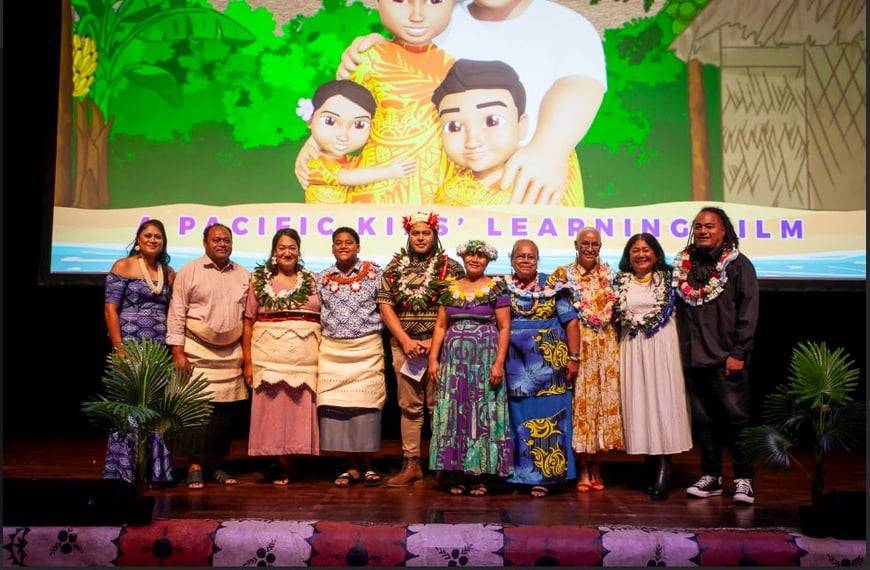
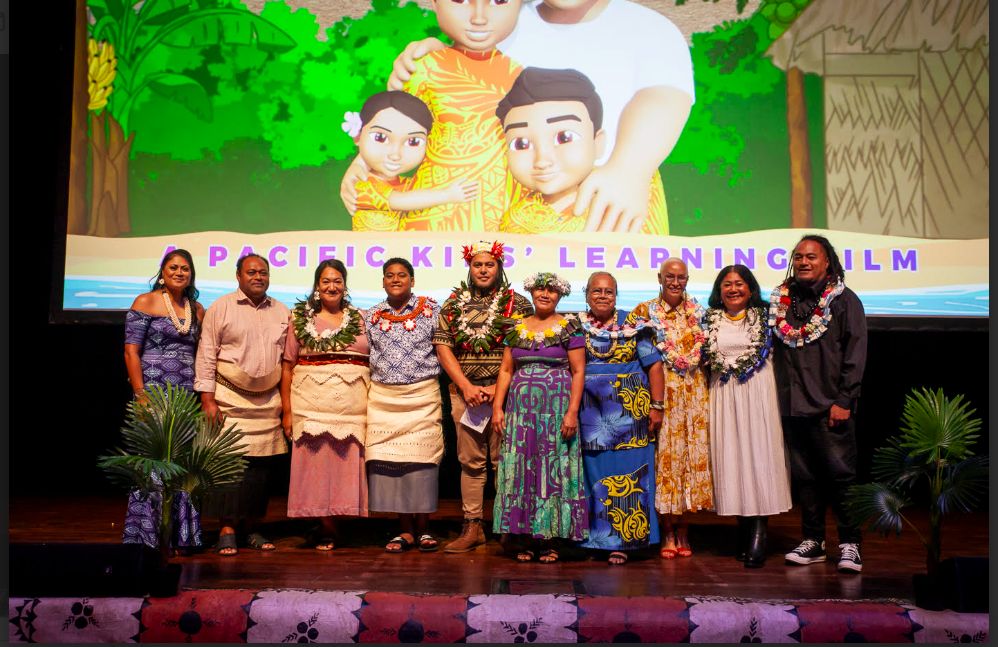
The inaugural Parkinson’s Pacific Awareness Day in Māngere on 26 July aimed to break down stigma and honour the resilience of Pacific families living with the disease.
The event brought together people with Parkinson’s, caregivers, family members, the Pacific Parkinson’s Support Group – Aloese Lefono (organisers of the event), Parkinson’s New Zealand, clinicians and academics.
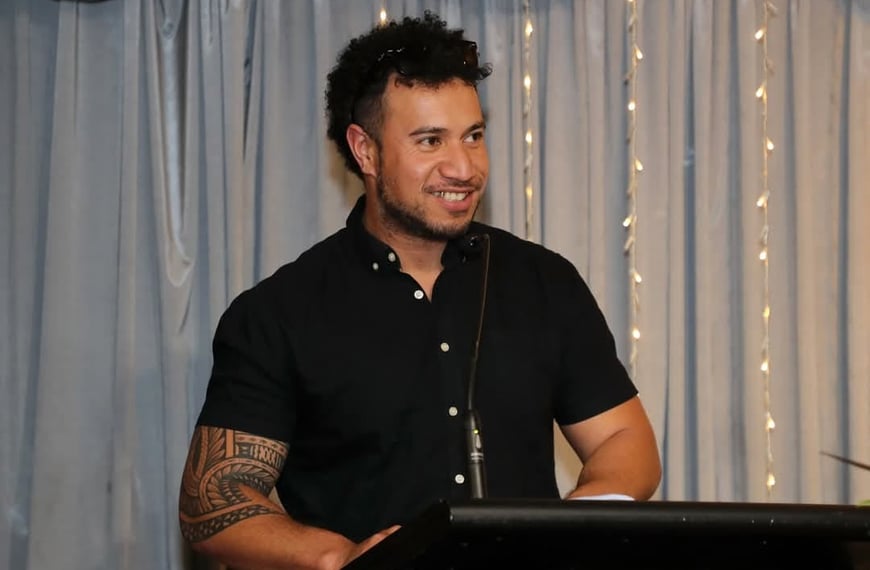
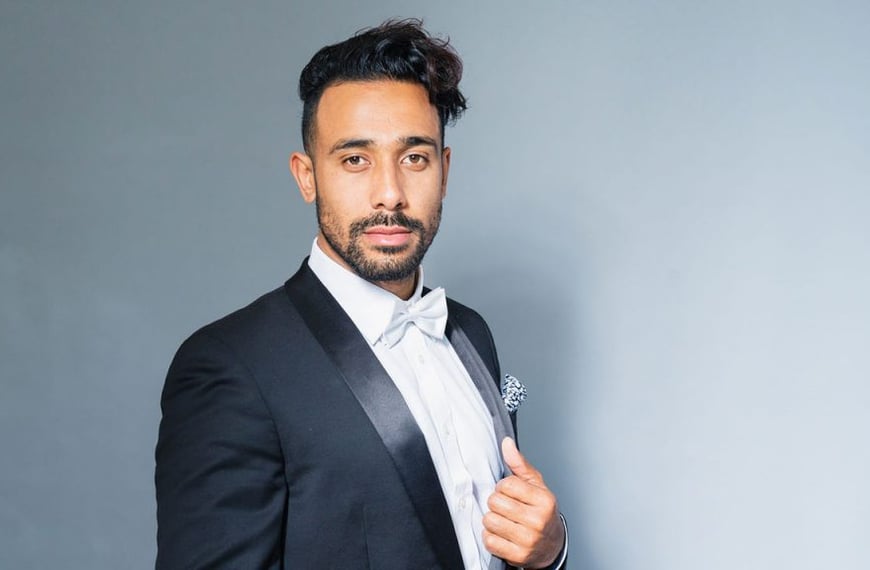
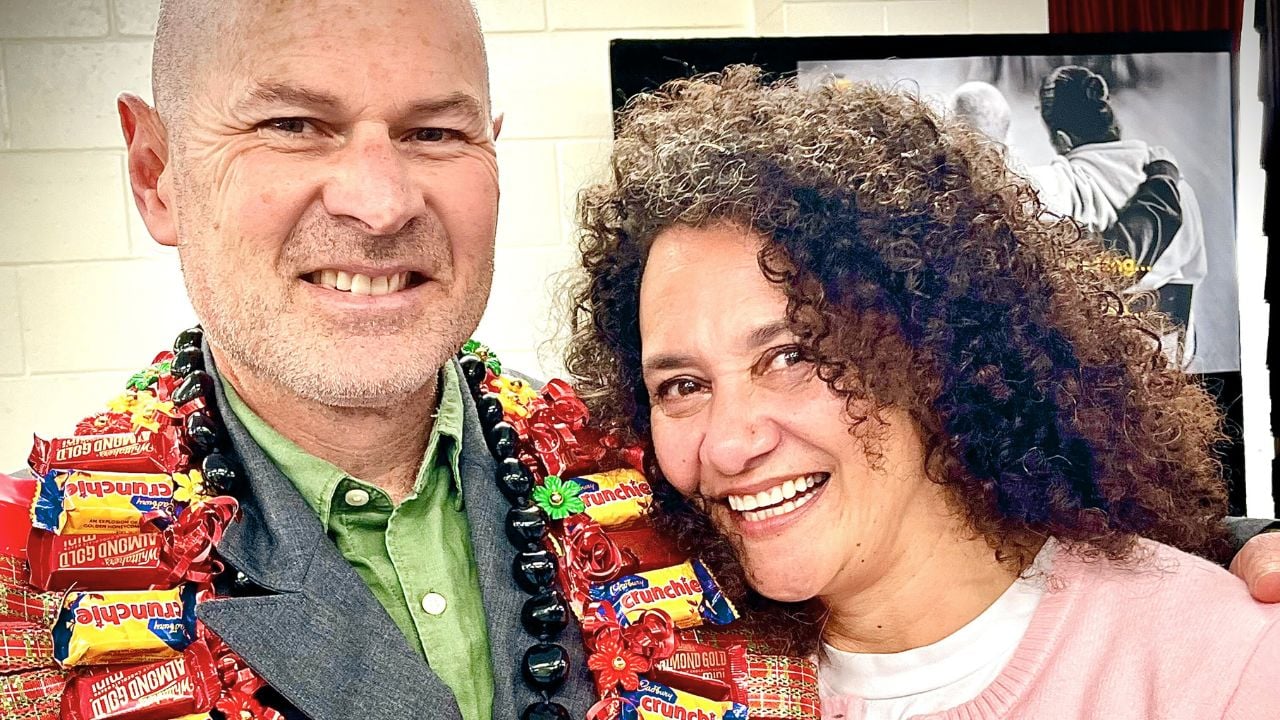
There were few dry eyes in the room when playwright and film director Toa Fraser shared his difficult and moving journey about living with Parkinson’s, at the Lotofale’ia Māngere Tongan Methodist Parish.
A Distinguished Alumni of Waipapa Taumata Rau, University of Auckland, he was diagnosed a decade ago with the disease, keeping it secret for five years, until the extent of his symptoms meant he could no longer stay silent.
The co-executive producer and director of Sweet Tooth and Murderbot considered retirement at the age of 45.
“I’ve come to view my Parkinson’s not as a living death but actually as a blessing, a gateway to my authentic life,” Fraser said.
“It’s possible to live a fulfilling, fruitful and useful life with Parkinson’s – with professional support and with love.”
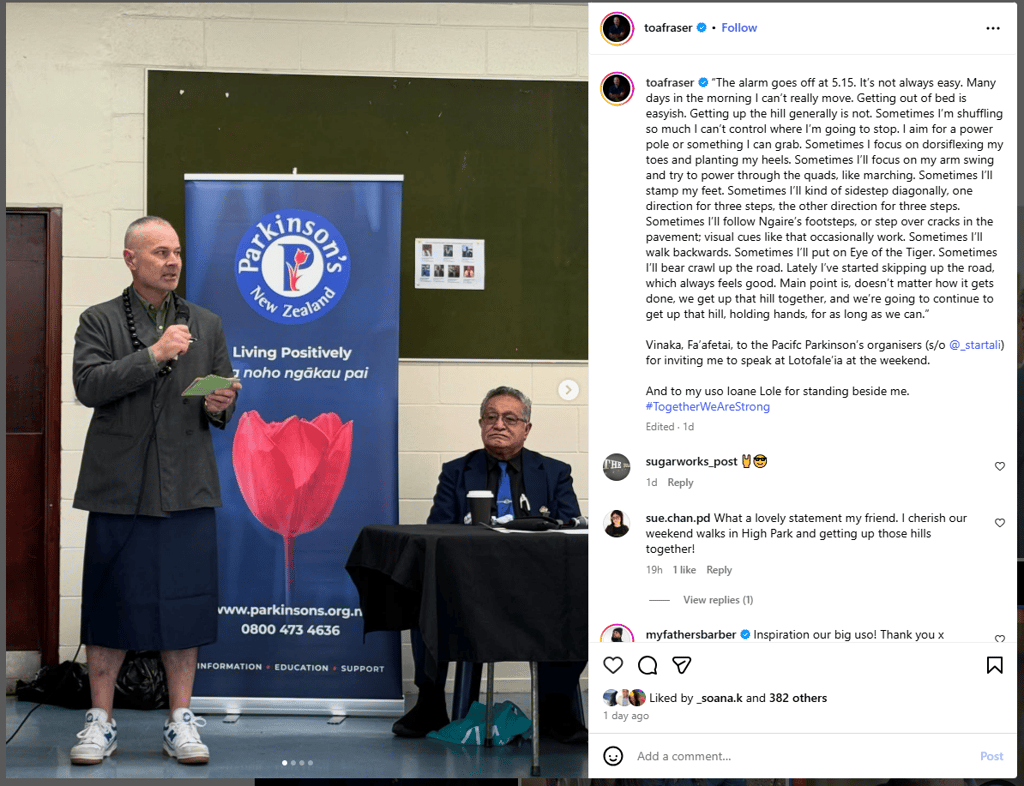
Fraser shared the pivotal role his wife Ngaire Fuata played in his journey, recalling early morning walks up Owairaka (Mt Albert), as a symbol of resilience and connection.
“We get up that hill together,” he said, “and we’re going to continue getting up that hill together, holding hands for as long as we can.”
The theme of the day – Together We Are Strong – was reflected in Fraser’s call to action for Pacific communities:
Keep talking: “Every conversation about Parkinson’s in our community breaks down barriers.”
Support research and advocacy: “Pacific voices need to be heard in research studies, policy discussions, and community health.”
Adapt traditions: “We show that Pacific identity encompasses all abilities and challenges.”
Mentor others: “Your experience, both the struggles and the victories, can light the path for someone else.”
Redefine strength: “Being strong doesn’t mean we have to be perfect – it means doing what we can, asking for help when we need it, and supporting others when they need it.”
Parkinsons affects more than 10 million people worldwide; Fraser also addressed the unique challenges Pacific communities face, including cultural stigma and late diagnoses.
“Parkinson’s is often seen as an old palagi disease, which inhibits us from pursuing treatment. Silence can become our enemy.”
He paid a heartfelt tribute to caregivers and supporters, acknowledging that many in the room may have experienced the deep pain of separation – when the emotional and physical demands of Parkinson’s became too much for loved ones to bear.
“We endure Parkinson’s, but we don’t do it alone. We can’t do it alone. Our true allies are all of you who are here today – supporters, caregivers, family, friends, loved ones. From the depths of my heart, I honour you. Fa’afetai tele lava.”
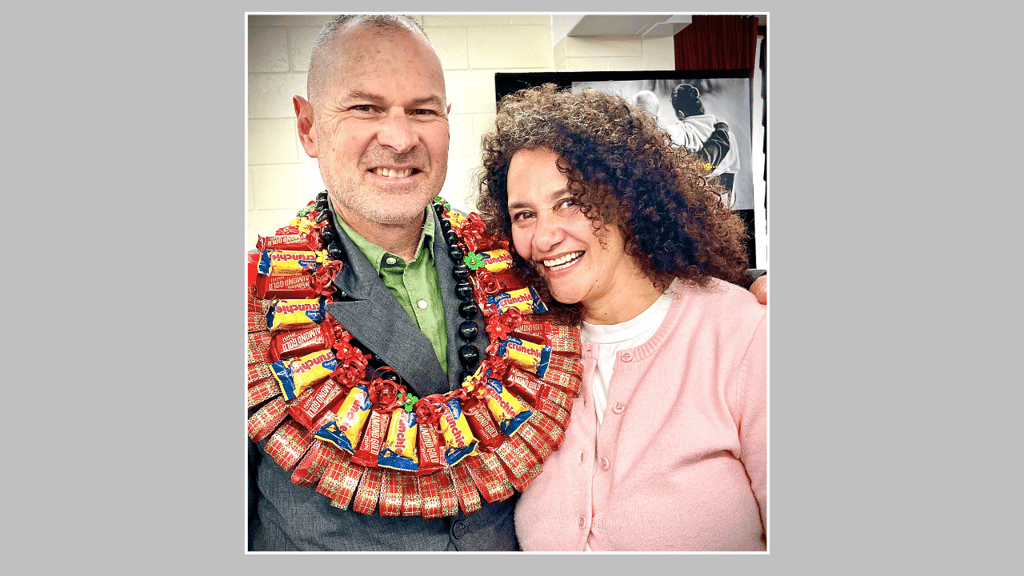
The event marked a significant step in building awareness and support for Pacific people affected by Parkinson’s. It was also a celebration of love and resilience, held fittingly on Toa and Ngaire’s first wedding anniversary.
Jogena Lafo’ou Fatai from Aloese Lefono was clearly thrilled with the turn-out.

“This disease is life-changing in so many ways. It breaks up family dynamics. It has a huge impact,” says Fatai who joined the group six years ago after her mother was diagnosed. She says many Pacific families often suffer in silence.
“Our Pacific people, they always hold back.”
The group now supports families across Auckland and Waikato; new branches have also formed in west Auckland and central Auckland. Fatai credits the group with helping many caregivers who often feel overwhelmed.
University of Auckland honorary Research Fellow and Parkinson’s New Zealand CEO, Dr Christine Buchanan says the event was a significant development for the Pacific community.
Buchanan has studied the PINK1 gene and discovered that many people from Pacific Island backgrounds, especially Sāmoans and Tongans, are among those most impacted.
“It’s wonderful that this event has come from the Pacific community,” says Dr Buchanan noting the strong connections being forged.
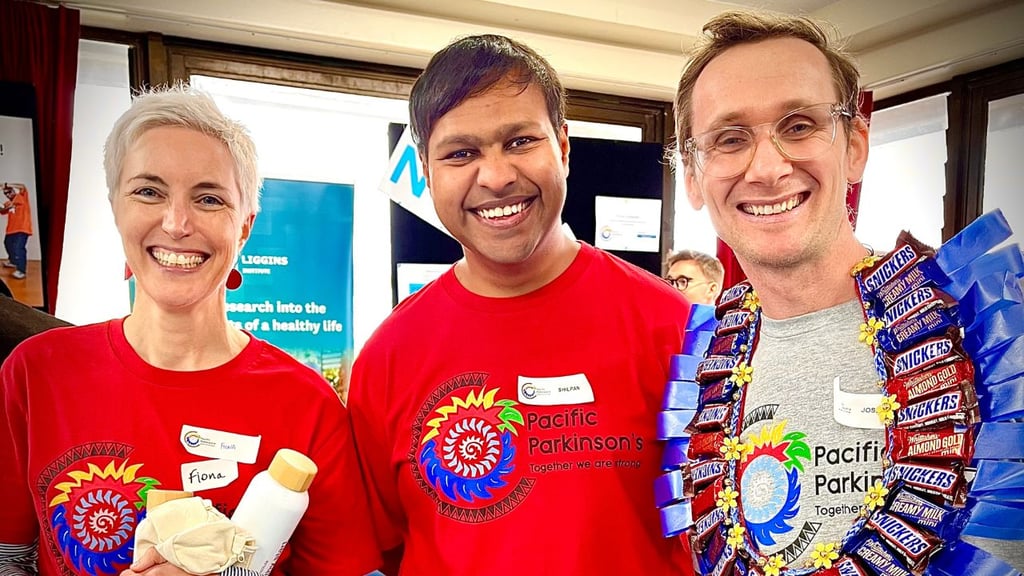
Neurologist and University of Auckland honorary senior lecturer Dr Joseph Donnelly shared insights from his clinical experience and learnings from his patients over the past few years.
He says on average, he and his colleagues will probably diagnose two or three patients with the disease each week.
“That moment is difficult for patients, especially when they hear it for the first time,” said Dr Donnelly.
He explained that Parkinson’s is often misunderstood, even within the medical community.
“Parkinson’s doesn’t just affect movement – it affects emotions, thinking, and how we relate to others through facial expressions and gestures.”
Donnelly says many patients wanted to know how they came to have Parkinson’s.
‘Why me?’
He says while environmental factors like herbicides, pesticides, and head injuries may contribute to risk, genetics also play a role.
“In the general population, about 10% have a gene issue. In the Pacific population, research suggests it may be closer to 40–50%, particularly involving the PINK1 gene.”
He emphasized the importance of exercise as the simplest and most effective treatment to slow the progression of Parkinson’s.
“Sinemet helps with symptoms, but exercise is key,” he said.
Donnelly concluded by encouraging patients to seek support.
“You can’t do this alone. Family, friends, and health professionals are here to help. Your GP is a gateway to specialists and support services. Parkinson’s NZ and support groups are invaluable. Research is vital to improve treatments and find a cure.”
He also acknowledged the challenges Pacific communities face in accessing timely care due to stigma and misperceptions about the disease.
“Parkinson’s is a complex neurological condition, but it is manageable. The key is early recognition and culturally safe support. We must ensure that Pacific families feel empowered to seek help, ask questions and receive care that respects their values and traditions.”