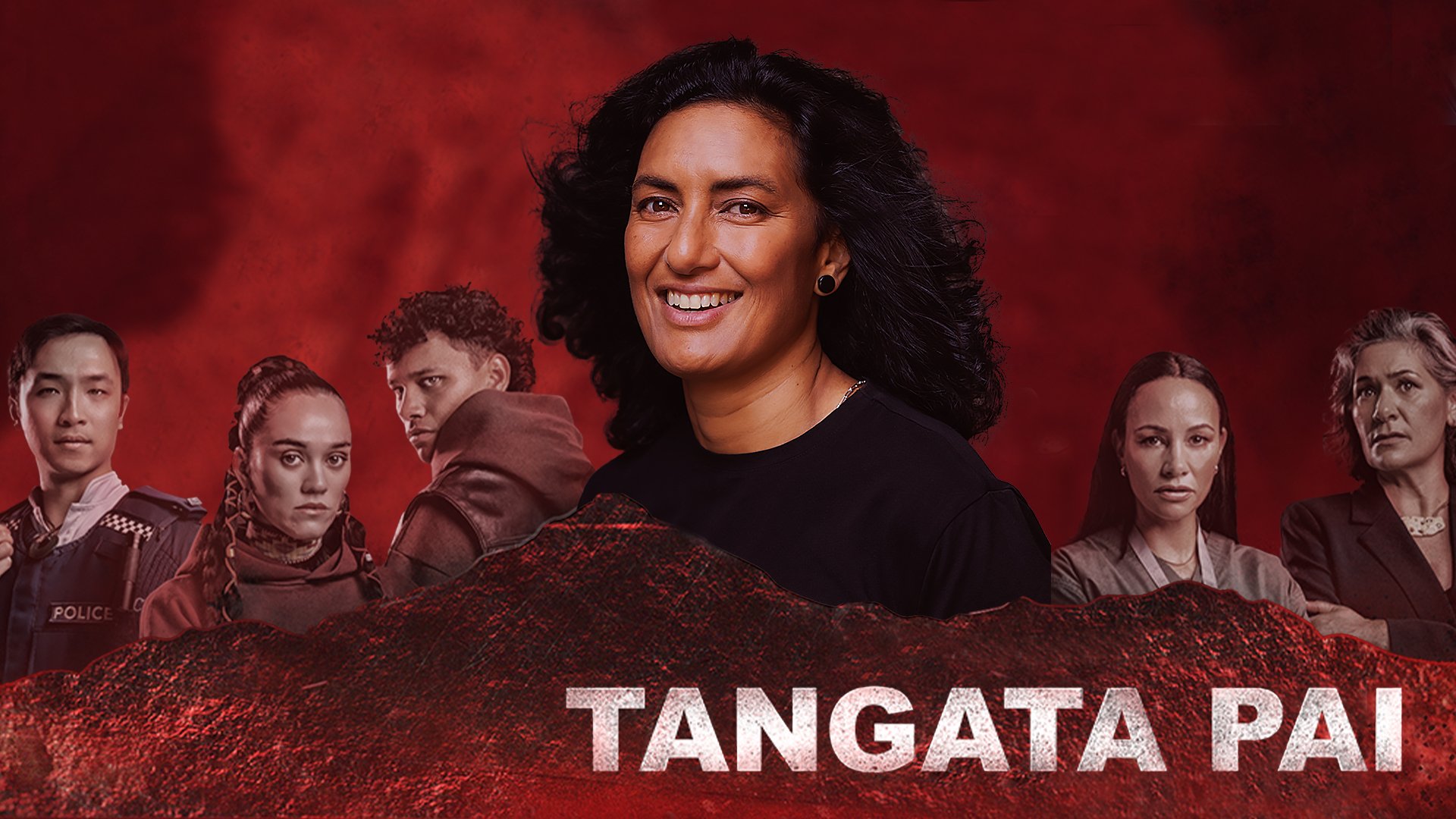
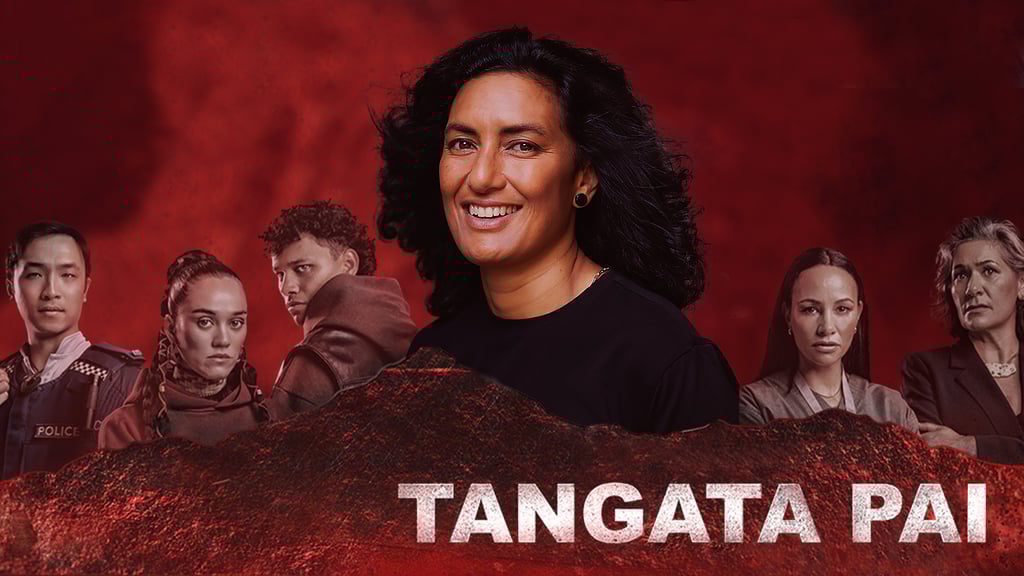
“Stepping into any role that is Samoan is a massive privilege,” – Nikki Si’ulepa on her latest role in Māori-led series, Tangata Pai.
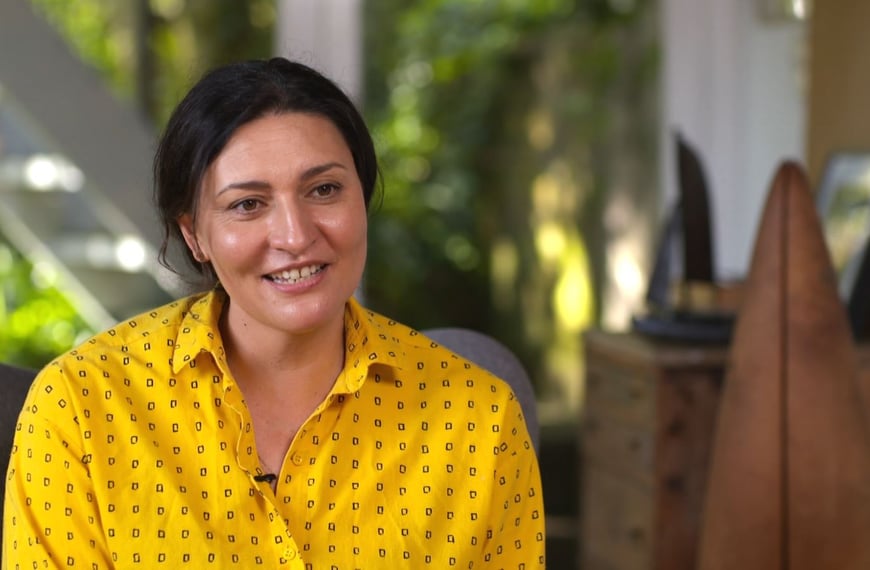
Award-winning Samoan actor, writer and filmmaker Nikki Si’ulepa is no stranger to telling stories that amplify Māori and Pacific voices. A seasoned creative with over two decades in the industry, she’s been awarded three Best Actress awards and won Best Short Film for Snow in Paradise in 2013.
In the newest Māori-led series, Tangata Pai, she takes on the role of Liliu Brown, a Senior Constable who guides her police partner, Adrian through challenges with strength and compassion.
Set in a near-future Aotearoa, Tangata Pai is an eight-part series that begins with a bomb explosion at a peaceful anti-mining Māori protest in Ngāmotu, New Plymouth. The narrative is told through five main characters, with Adrian being one of them.
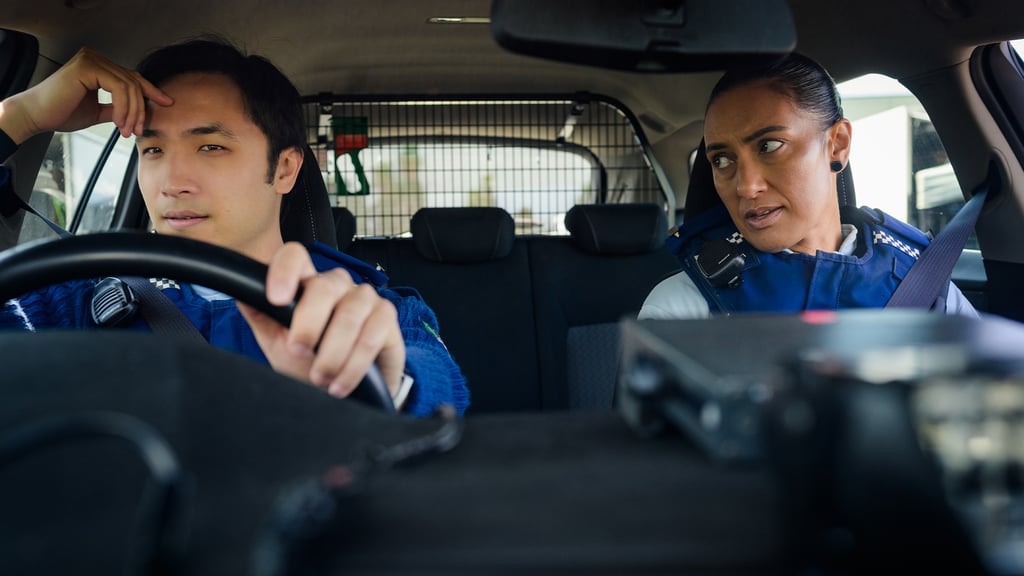
Reflecting on her role, Nikki expresses the significance of portraying Liliu.
“Stepping into any role that is Samoan is a massive privilege. There are a lot of Samoan actors in Aotearoa… but the roles for Samoans to play Samoans is not many, unless, of course, we write them ourselves,” Nikki says.
“I’m really, really grateful that I was given this opportunity to step into a Samoan character and bring in my lived-in experience.”
Some of that ‘lived-in experience’ comes alive in a scene that’s equal parts culture, comfort, and carbs – a heartfelt nod to the Pacific community in South Auckland.
“The introduction of my character, we see Adrian and Liliu outside a bakery and there’s panikeke (pancakes) involved and it’s my favourite scene,” Nikki says.
“I just love that there’s panikeke in the show and the fact that it’s from a South Auckland bakery is perfect, so on point!”
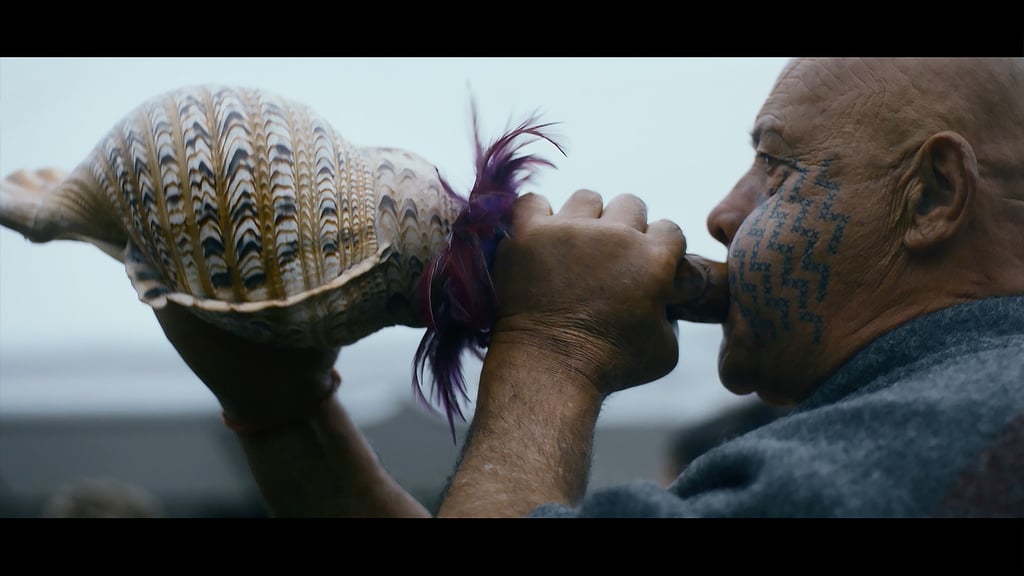
It’s these intricate details that add a layer of authenticity to storytelling. That same sense of truth flows through the language, with 30% of the dialogue delivered in te reo Māori, mainly in the Taranaki dialect.
“It sounds very Kuki Airani or very Eastern Polynesian… they don’t say [wha]kapapa, they say [wah]kapapa,” Nikki says.
She also notes that the production made sure there was accuracy in both pronunciation and cultural representation, which also included checking with Māori iwi if they got it right.
“Cultural representation is really, really important. It’s something that I hold in really high regard … if there’s Pasefika or Māori characters in your film or your series, then you need to make sure that you’ve checked off with that community,” Nikki says.
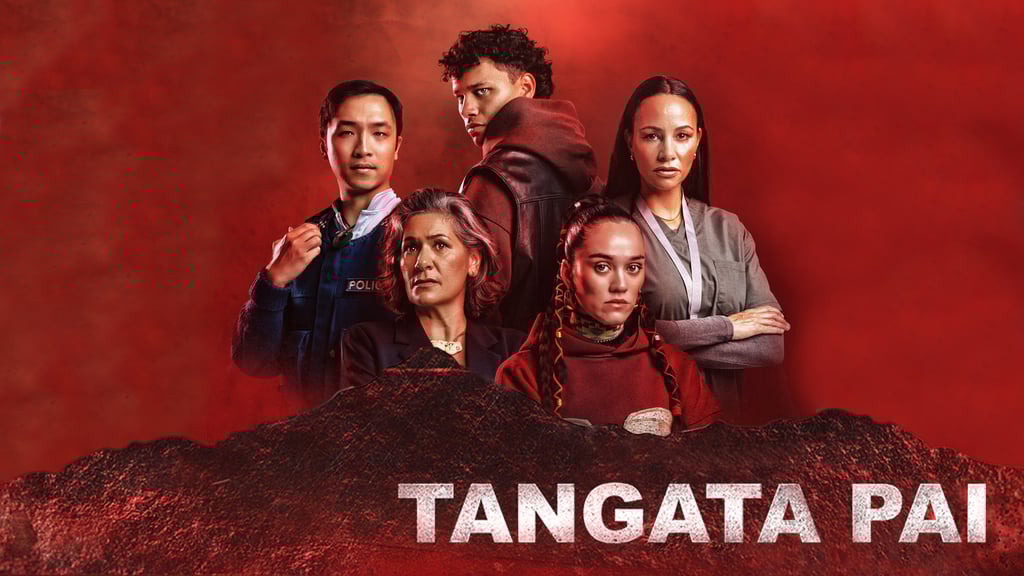
Beyond representation, Tangata Pai explores themes of identity, disconnection and the constant push-and-pull between modern life and cultural inheritance – something Nikki says will resonate with many Aotearoa-born Pacific Islanders.
“I think the search for belonging in a world that’s shaped by colonisation – there’s a lot of disconnection, so I do resonate with that,” Nikki says.
“It begs the question, what is important and who are you? Are you a product of your environment or are you what your blood is? I think the series highlights really well some of those questions and just spotlights how much of products we are in Aotearoa of this kind of, hybrid culture.”
For Nikki, Tangata Pai is more than a series, it’s a form of Indigenous activism. Filming coincided with the 2024 Hīkoi mō te Tiriti, and while many cast and crew members wanted to partake, they understood that producing Tangata Pai contributed to the same cause, just on a different scale.
“It’s coming together to fight the good fight for good causes, which essentially is indigenous voice, indigenous strength and indigenous unity,” Nikki says.
With Tangata Pai available to be streamed now on Three and Three Now, Nikki hopes Māori and Pacific viewers will feel a sense of pride.
As for her future projects, she’s completed writing a feature, with a comedy feature in the development phase. Whether behind or at the front of the camera, Nikki’s commitment to telling stories that uplift and empower Indigenous storytelling shows no signs of slowing down.