
“Fuel is a base cost. When it rises, everything rises with it” – Josie Pagani, ChildFund New Zealand
The CEO of ChildFund New Zealand says the cost of fuel across the Pacific is far more severe than experienced here in New Zealand.
While rising global fuel prices are cutting household affordability across New Zealand, according to new data, families in the Pacific are being hit up to six times harder with the current fuel prices.
ChildFund New Zealand estimates the real loss in household purchasing power across the Pacific sits between 2.5 and 12 percent.
“Fuel is a base cost. When it rises, everything rises with it,” said Josie Pagani, CEO of ChildFund New Zealand.
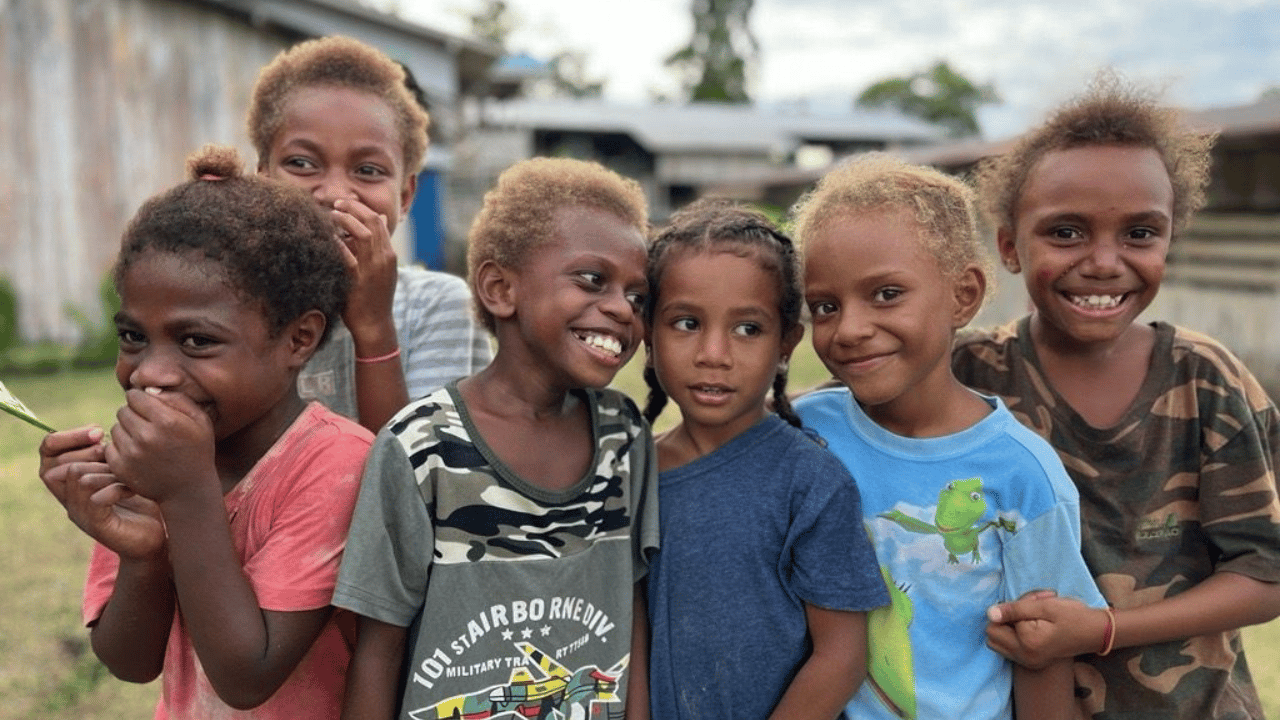
“In New Zealand, families feel it at the pump. In the Pacific, families feel it on the table. Food, transport, and even access to clean water become harder to afford.”
Many families in the Pacific rely on imported goods and diesel-powered systems for transport and electricity, meaning fuel price shocks move quickly into the cost of essentials.
For families already living on tight budgets, even small increases in daily costs force difficult choices.
“This is where the impact really hurts. When food prices rise and transport becomes unaffordable, children are the first to feel it. Meals are skipped. School attendance drops.
Access to safe water becomes less certain, increasing the chance of sickness or worse, Pagani says.
While acknowledging that events in the Middle East are having an effect on fuel supplies around the world, Pagani says energy sustainability needs to be looked at.
“The two-week ceasefire is a welcome reprieve for children and families across the region. But this crisis has highlighted the urgent need for more long-term and enduring energy solutions in the Pacific.”