

“It’s Super Rugby Pacific, we want to show our culture and what we bring to this tournament” – Fijian Drua coach Glen Jackson
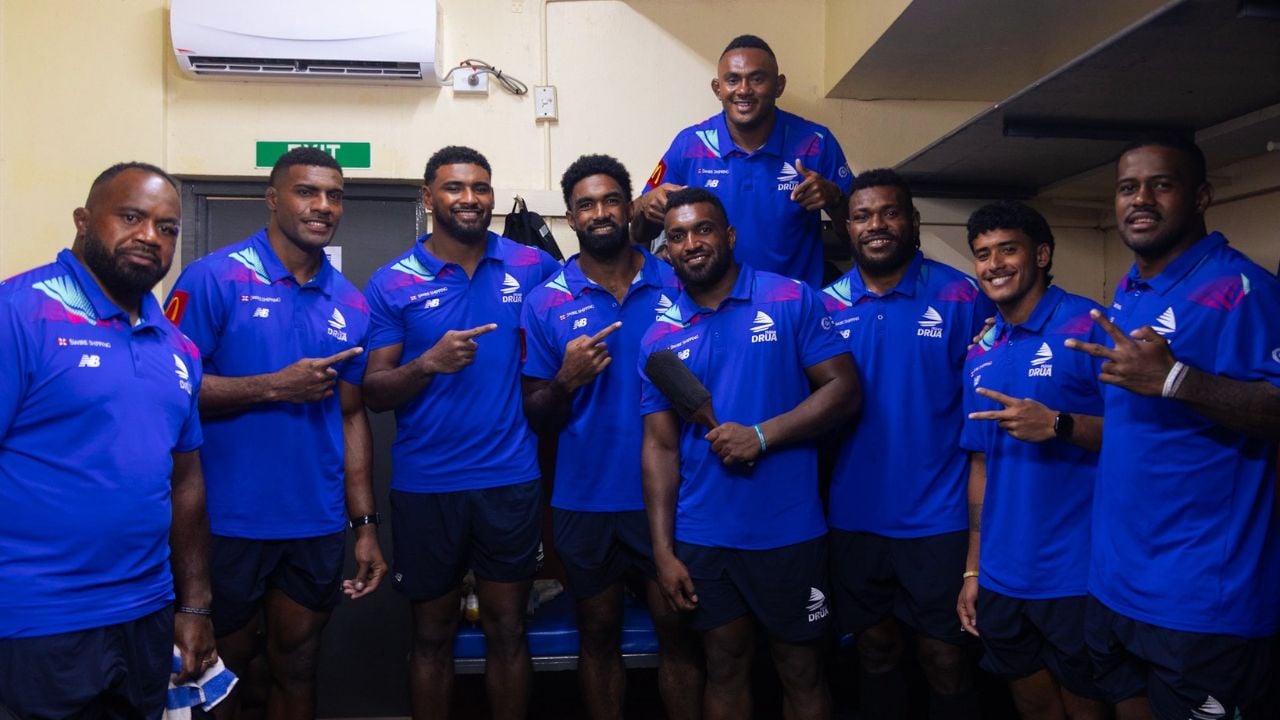
Last weekend marked the first ever clash for the Joeli Vidiri Memorial Trophy between the Auckland Blues and Fijian Drua.
Vidiri was the Fiji-born Blues winger who made 64 appearances for the super rugby side from 1996 to 2001, featuring in two championship wins while scoring 43 tries in 61 games.
The clash with Drua was supposed to be a celebration of Vidiri’s impact on the game, as well as to honour his beautiful Fijian culture.
However, Drua coach Glen Jackson was left puzzled and confused, as the team were not allowed to perform their ‘iBole’ war dance for the Vidiri family before the match.
“We’re devastated by it really,” coach Glen Jackson said after their match with the Blues.
“We haven’t been able to do it at home either, due to these heat regulations.
“It’s Super Rugby Pacific, we want to show our culture and what we bring to this tournament.
“It was important this morning that we brought the Vidiri children and we showed them what we do in this team culturally.”
This isn’t the first time the team have been denied their cultural war dance this season, it happened at two of their home matches in Fiji, including their first ever match in Ba.
The “heat regulations” was later explained to be the reason by Super Rugby CEO Jack Mesley.
He clarified that the Fijian Drua were approved pre-season to perform the ‘iBole’ cultural challenge at home games.
However, the approval came with the directive that if the Heat Stress Index (HSI) reached the ‘very high’ category or above on match day, limiting player exposure to heat would be critical.
Mesley says the organisation recognises the ‘iBole’ is an important cultural tradition for the team and their fans, and it is something they want to support as much as possible.
He added that, when heat protocols are triggered under World Rugby player welfare guidelines, the priority must be the health and safety of players and match officials.