“What we don’t have a lot of good studies on is sort of the lived experiences in things that are actually happening on the ground” – Li’amanaia Dr Roannie Ng Shiu
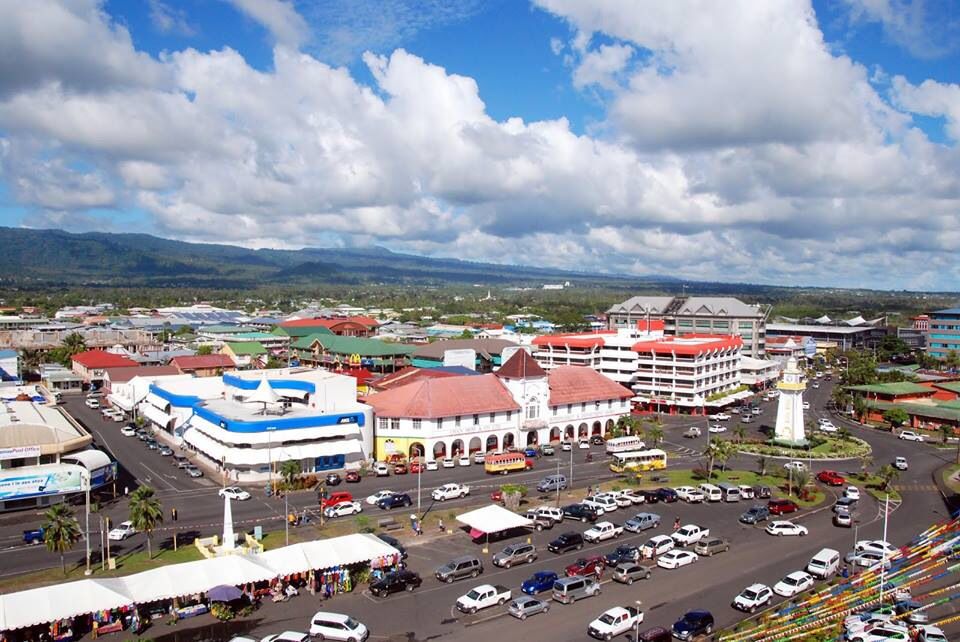
The impact of climate change on children in Samoa is under the spotlight in a new research project.
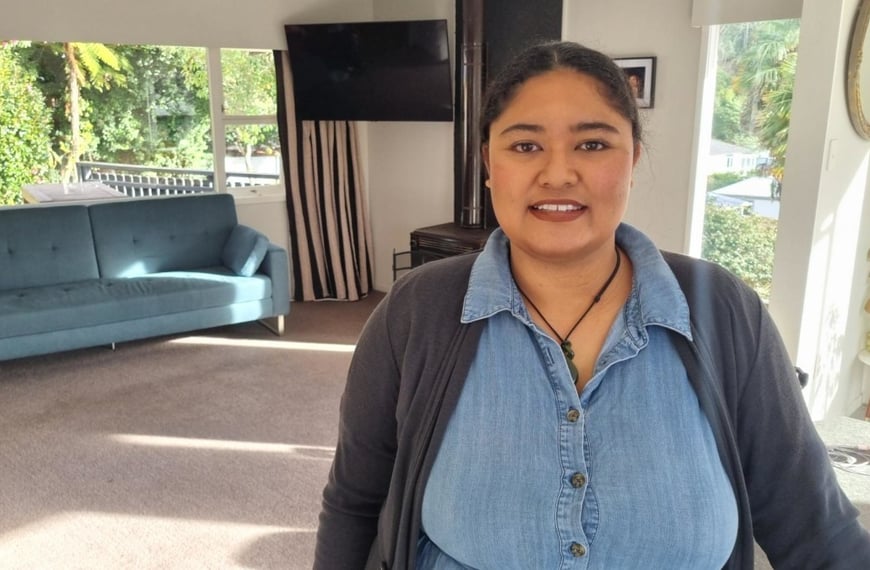
The study will examine the effects of heat and humidity on children at five primary and high schools across Samoa, says project lead Li’amanaia Dr Roannie Ng Shiu, co-director of Te Poutoko Ora A Kiwa, Centre for Pacific and Global Health, at the University of Auckland, and Associate Professor at the National University of Samoa.
The researchers will measure heat and humidity in classrooms and outdoor spaces in the schools until the end of the school year.
Dr Ng Shiu says it will be the first time that they will have robust measurements to look at the environment and its impacts on children.
“We know that days are getting hotter up across the Pacific and we’re experiencing more heat waves, and I think this project aligns also with the Samoan government’s priorities in terms of lifting numeracy, literacy rates in children.
“I think using school settings does help us understand things a bit better in terms of general well-being outcomes, including not just the overall feelings, but also in terms of educational outcomes… and how we can further protect our children from the impacts of climate change,” she says.

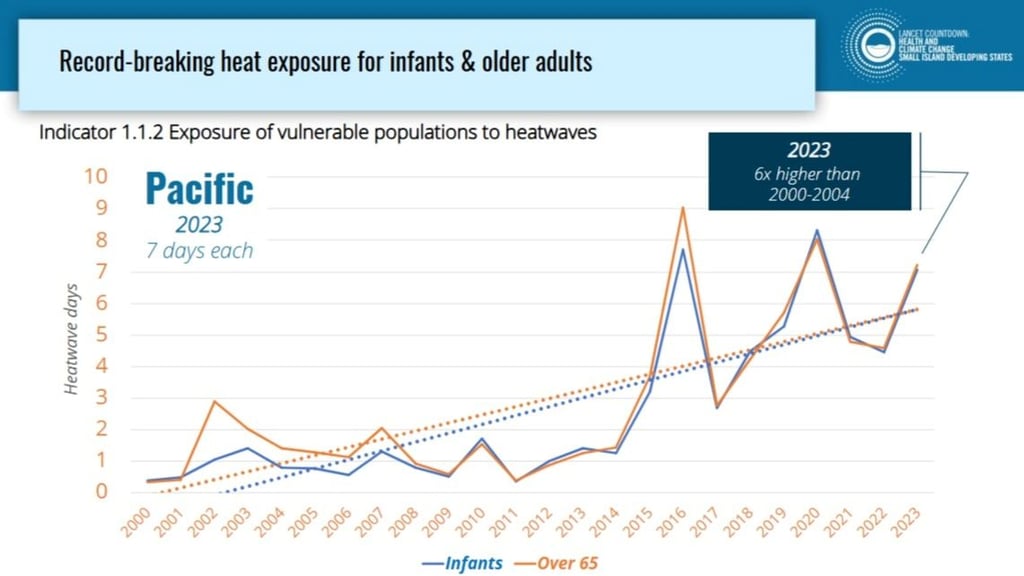
Children aged under 15 make up 19.5 percent of Samoa’s population and Dr Ng Shiu says they are particularly vulnerable to heat stress, as are people aged over 65.
“Children and adults regularly heat similarly, but it’s the behaviours that are different. So adults would be like, ‘Ok, it’s hot, I use a fan, drink some water’, whereas children don’t quite have those sorts of behaviours ingrained in them yet.”
In 2024, people in Samoa were exposed to an average 73.9 heatwave days, with temperatures soaring above 28 degrees Celsius. Only 4 percent of these days would have been expected to occur without climate change.
These days, people in Samoa experience about 550 more hours of heat that poses a moderate or higher risk of heat stress for someone exercising outdoors, compared to the 1990s.
Extreme heat can cause everything from impaired cognitive performance to heat exhaustion and heat stroke, says Dr Ng Shiu.
“Children are in school during the hottest time of day, so I think some of the outcomes may be how we can help the government in terms of providing related policies to protect the well- being of our children,” she says.
The pilot project will be focused in Upolu with the aim to scale up the research to include other Pacific nations such as Fiji, Cook Islands and Tonga in the future.
Dr Ng Shiu says it is important to get children and young people involved because they are the voices of the next generation.
“People talk about Children being our future but also, if you look at climate advocacy, it is definitely our young people.
“So I think the sooner we can get them involved in being a bit more aware about the environment then they can also help make changes within their households.”
As well as writing academic papers and reports, the researchers will create story books summarising their findings in an accessible format for children.
“I’m thinking through children having a bit more agency than they do… I think for us using these story books is to get them more involved, more engaged, but also in terms of thinking through how children themselves are agents of change,” she says.
The team hopes to have some initial results later this month with the final report due in 2027. The findings will be used to inform regional and school strategies to protect children from extreme heat.
Ng Shiu says she is privileged to have the chance to be home in Samoa to undertake the study and says more research on the ground is needed.
“The Pacific is always spoken about in terms of being at the frontline of the climate crisis and lots of data and information that’s been spoken about or written about the Pacific kind of comes from people doing desktop studies,” she says.
“What we don’t have a lot of good studies on is sort of the lived experiences in things that are actually happening on the ground and so I think we’re starting to do that.”
The study is funded by the International Science Council with the National University of Samoa. It will be carried out in collaboration with the University of the South Pacific and the University of Sydney’s Heat and Health Research Centre.
* Additional reporting, Auckland University Research Comms