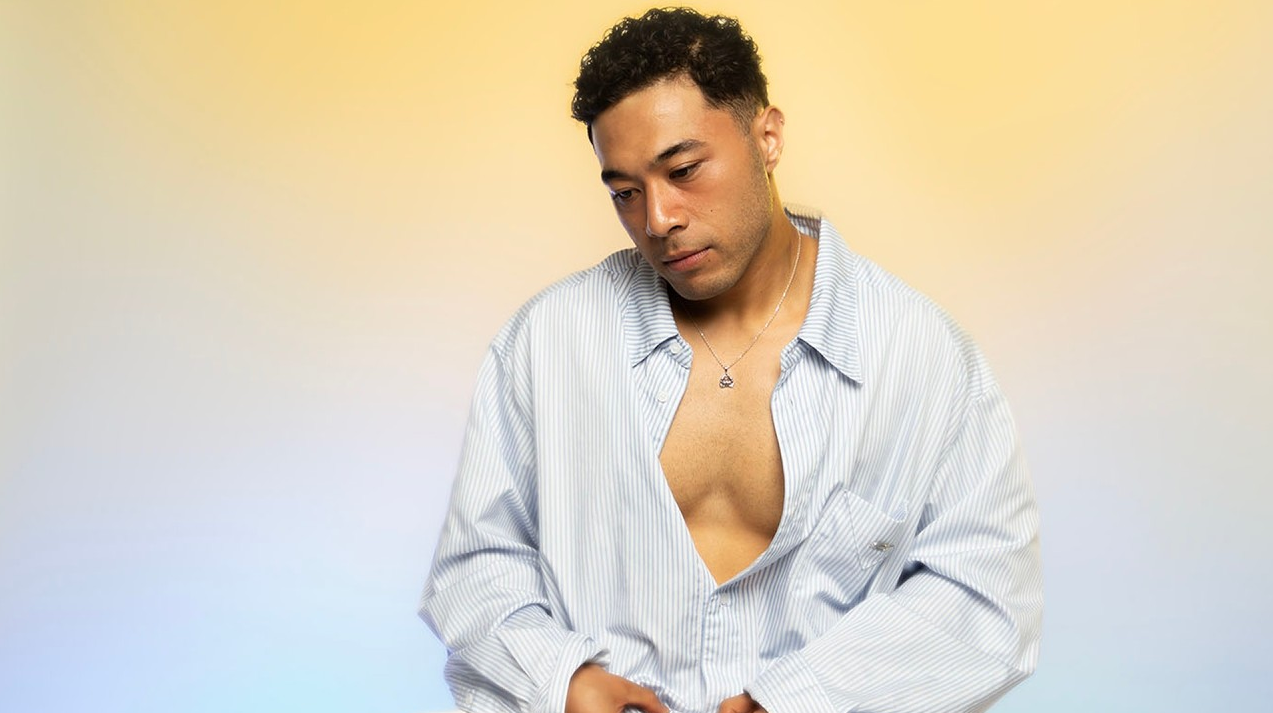
“Pasifika people to me are always like one with sound rhythm and music, so I think it’s good that we use it as a tool and spread awareness and do things like this” – Tyrun
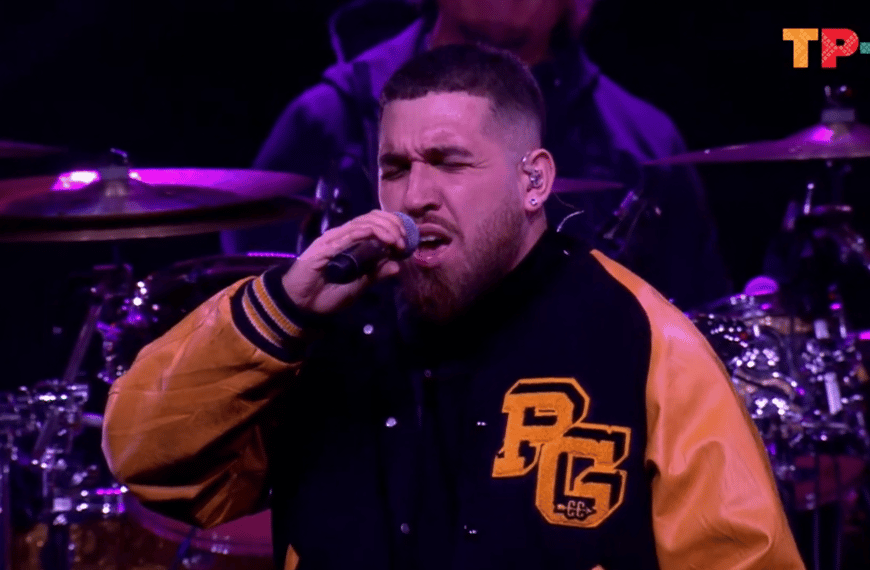
For many musical artists, when all other forms of communication fail, music becomes their language. Such is the case for upcoming R&B artist Tyrun.
With Niuean and Samoan heritage, Tyrun grew up in a household where his Pacific and cultural roots weren’t really spoken or shared. However, music was always a passion and, growing up, it became his language.
“I’ve sung my whole life, singing has been my thing for ages. There’s just a feeling I get when I sing,” he says.
“And music to me is that language, sometimes you have to hear it through song, music or sound to really understand or feel something.”
Having had no connection to his culture growing up, he began a personal journey of his own, taking matters into his own hands and enrolling himself in a Vagahau Niue language class.
“I’ve been on my own personal journey of reconnecting with my Niuean culture and vagahau Niuean; I didn’t grow up learning it and I wasn’t immersed in the culture.
“So to understand that the language is dying, and that there aren’t many people speaking it… kind of spurred me to think how to contribute to the conversation in a way that feels normal or natural to me.”
This led to the production of his debut EP, ‘To fall in love Again’, a four track project which blends R&B with Vagahau Niue. Not only do the songs have parts in Niuean, each music video also came with Niuean subtitles for the songs.
Learning a new language while at the same time creating a music project was, at times, challenging for Tyrun but it was a challenge he was willing to take on.
“So I wrote the EP all in English. I figured if I’m going to tell my stories or stories about my experiences, I’ll first start by ensuring that what I am trying to say is what’s on paper,” he says.
“I reached out to my friend who taught my Vagahau Niue class that I started learning. He translated everything in Vagahau Niue for me and from there I just picked out what parts of the song I wanted in Niuean and what melodies I would use.
“A lot of translations to Vagahau Niue end up being long, for like short sentences in English. So we had to find those sentences that don’t impose too much of time and space within the song in Vagahau Niue to English.”
The project may have been a reflection of his own personal journey, but Tyrun says it has been refreshing seeing his work resonate with other Niueans in their own cultural journey.
“It feels great, especially when I understand that a lot of people reaching out are like me… grew up in the diaspora, they feel a disconnect to the language.
“So for me to hear from people like that and to hear from people like, not Niuean, they enjoyed that I have started to put my culture into it,” he added.
“Pasifika people to me are always like one with sound rhythm and music, so I think it’s good that we use it as a tool and spread awareness and do things like this. It’s not that this project is perfect or the answer to it all, but it’s the start of what could be.”
*Some quotes have been edited for clarity