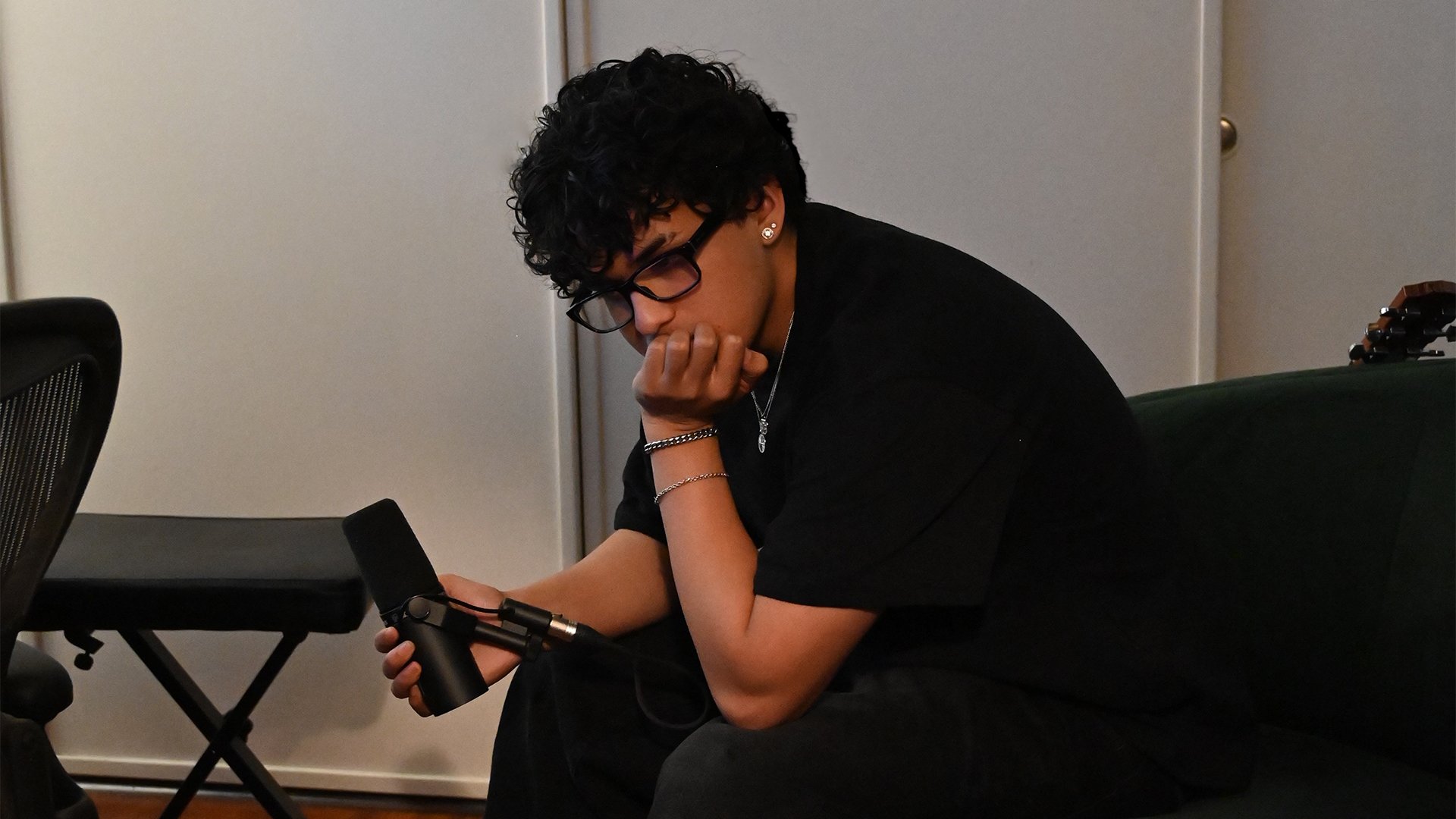
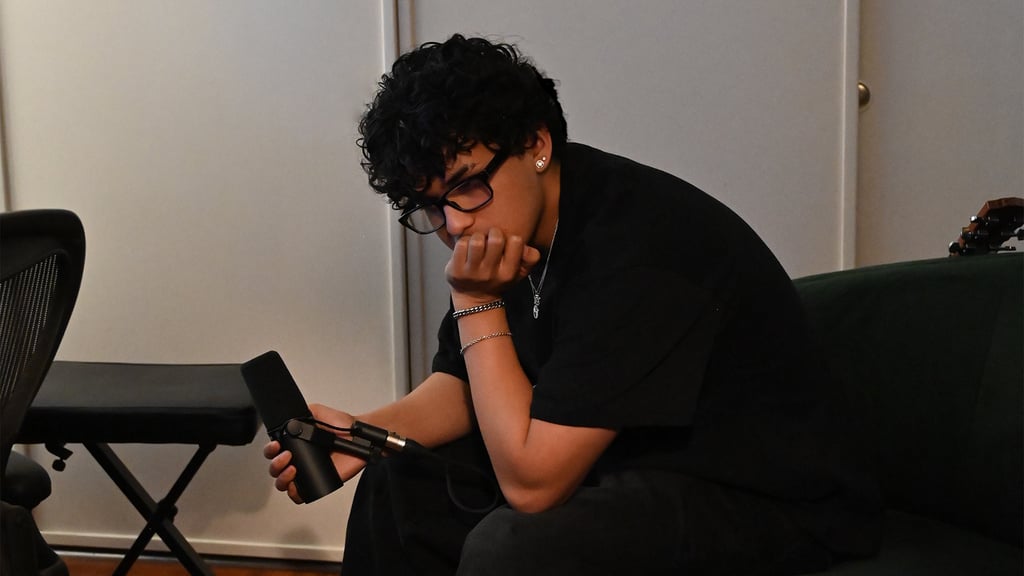
“Everytime it comes out somebody, some producer got ripped off, or some producer got the music stolen. It happens way too often.” – Jarom Su’a, Producer.
Producing a chart-topping hit for global sensation Drake might be a career-defining moment for some musicians.
But for Samoan-Argentine producer Jarom Su’a, when that collaboration fails to translate into fair acknowledgement or financial gain, it exposes a dark truth about the modern music industry.
The 20-year-old, whose father hails from the village of Utulei, American Samoa, recently learned that one of his beats appeared on Drake’s Make Them Cry track from his 2026 album ICEMAN. Although he was not initially credited on the release, Jarom says instances of failing to give producers their rightful credits highlight a systemic issue that happens regularly behind the scenes.
“This industry is the worst. It’s so bad and it happens probably every single album you hear,” Jarom says.
“Everytime it comes out somebody, some producer got ripped off, or some producer got the music stolen. It happens way too often.”
Putting payment and credit aside, Jarom says hearing his beat on one of Drake’s songs again “felt so good for only 30 seconds.”
“I guess maybe that’s my own way of not appreciating like the work that I’ve done,” he says.
“It’s just a testament to how my music is still circulating even without me knowing. To just wake up one day and you’re on the Drake album is so random… that was truly a freak of nature and honestly just a blessing.”
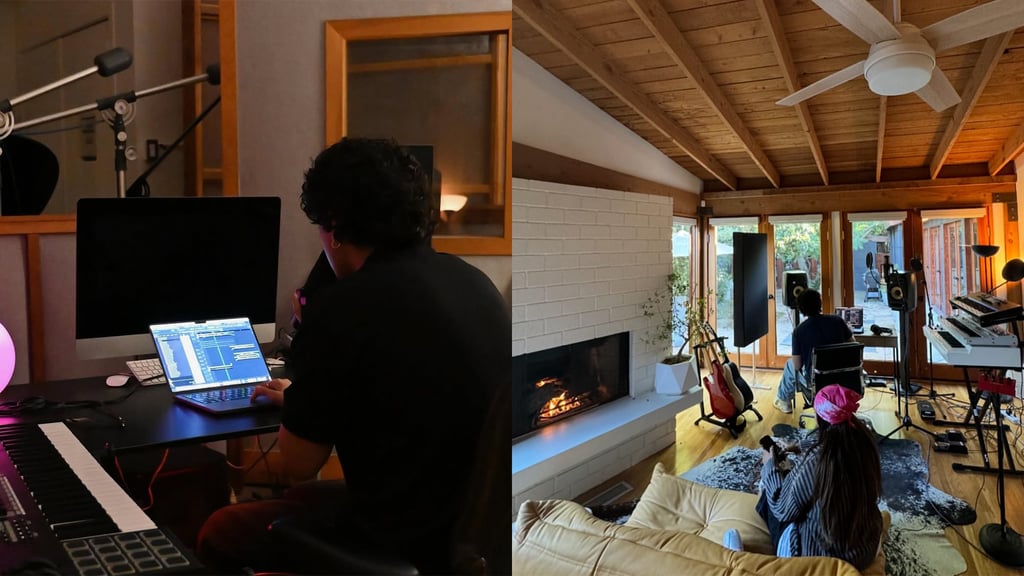
This was a familiar milestone for the young producer.
Back in 2021, Jarom first produced for Drake on his 7am on the Bridle track from the album, Certified Lover Boy. The track peaked at no.16 on the US Billboard Hot 100, reached no.27 globally and no.13 in Canada during its release week in September 2021.
Besides Drake, Jarom has produced for many chart-topping artists such as Bad Bunny, Trippie Redd, and Tink to name a few. But out of his many collaborations, it was the viral TikTok success of DC the Don’s, Get Naked that skyrocketed his music producing career.
“I made the beat in 10 minutes. [DC the Don] posted it online and it took over TikTok,” Jarom says. “To actually walk around Los Angeles and seeing little kids make dances to the beat that I made… it’s like wow.”
Being Polynesian also elevates his craft. Although breaking into the LA music realm as a Samoan producer is uncommon, Jarom embraces the opportunity to bring his culture to the forefront.
“One of the things I get complimented on in music is my drums, and I think since a young age, just listening to a lot of Polynesian music, and we have so many dances and family get togethers where you bring out the guitar and you start singing like, that’s just what I grew up on,” Jarom says.
“It’s just a culturally and musically rich blood and to be able to have my last name in all these records… it’s just super cool to have that touch in these modern American songs.”
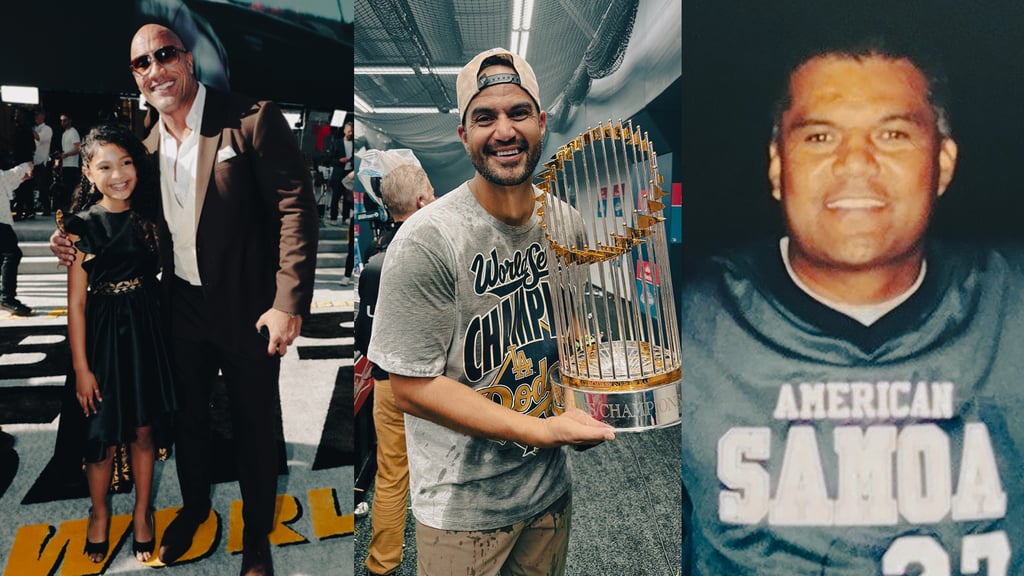
And while he carries his family name, Su’a, proudly in music, it also holds a distinct sporting and filmic legacy. His younger sister, Eliana Su’a is known for her roles in Hollywood’s blockbuster film, Hobbs and Shaw and Disney Channel series, Pretty Freekin Scary. His grandfather, Murphy Su’a is a former professional baseball player for the LA Dodgers and Milwaukee Brewers. His father, Justin Su’a is a former BYU college baseball player, and is currently one of the coaches for the Dodgers.
But despite this deep-rooted athletic history, Jarom chose to forge his own path in music when he realised sports wasn’t one of his strengths.
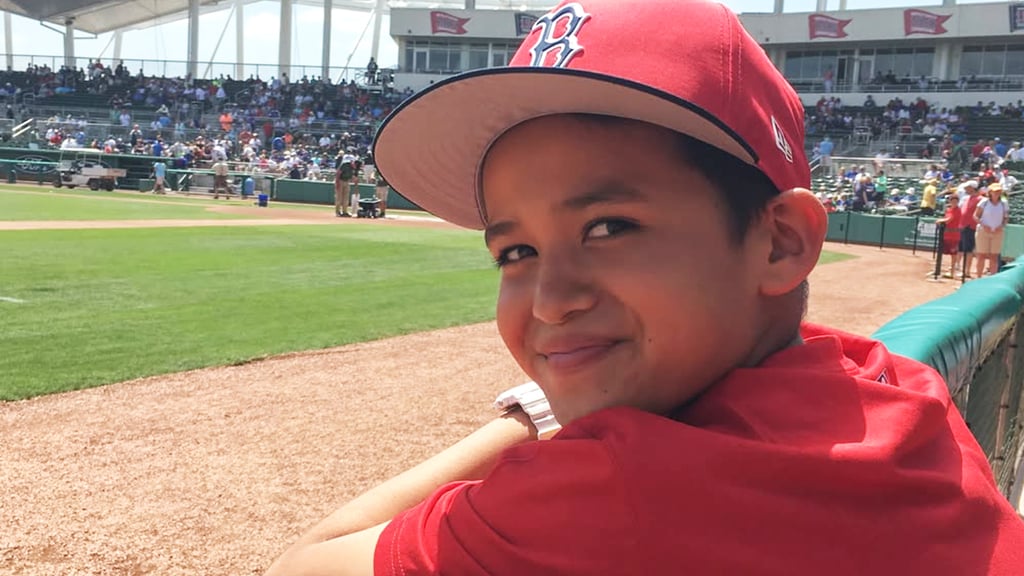
“I tried football, I tried soccer, I tried baseball… they were trying so hard for me to just get into sports but I was more excited to listen to music at practice,” Jarom shares.
“There was a time my pops was the coach for my little league team just to get me more playing time, and he ended up benching me because I was just so bad.”
Before becoming a music producer, Jarom says he was also an actor, a model, and voiceover actor. In middle school, he made one of the boldest decisions to turn down Disney to pursue a career in music. Backed by his parents, he was homeschooled at the age of 13 to hone his craft – a move that later paid off when Timbaland discovered and signed him under his creative hub, BeatClub one year later.
Jarom has since grown and left his mark in the music industry. He is currently signed to a publishing deal with Pulse Music Group under industry veteran Gary Marella.

But despite all the accolades and achievements, Jarom is looking to diversify his creative output by expanding into fashion and DJing.
“I’ve had the records, I’ve had the billions of streams or whatever in a span of five years of producing. It kinda got to the point where it’s like, yes, I’m making money and I’m meeting people, but it’s not as fulfilling as I thought it would be,” Jarom says.
“There’s so much you can do in music as a producer. If I’m not producing, how can I channel it into the clothes, how can I channel it into me being an artist.”
His next focus is bringing that signature rhythm and beat in fashion with his newly established clothing brand, Oandas Palace – a label that’s already received high traction after its pieces were worn by celebrities such as North West and Swae Lee. While this venture marks a new chapter for the young creative, his underlying motivation stems from his heritage and the unwavering support from his family that allows him to take risks.
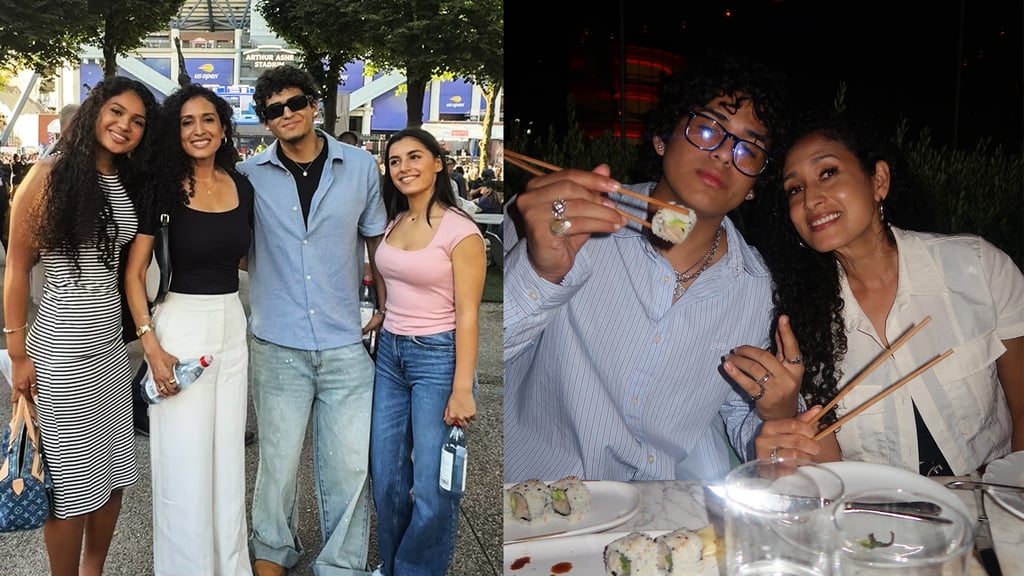
“There’s just so much light in the Polynesian culture, especially my family,” Jarom says. “It’s so cool to have, when I’m ready to kinda take a step back, I know I always have this strong foundation backing me at all times.”
Some quotes have been edited for clarity.