A special One News Tagata Pasifika investigation uncovers the dark reality of a transnational marriage scheme gone wrong.
Back on Tongan soil and happy to put their ordeal behind them.
That was the case for two young Tongan women we’ve named ‘Ana and Peti to protect their identities.
Both women have returned to Tonga after travelling to mainland China as part of a transnational marriage arrangement. But what began with the promise of love and prosperity, quickly descended into a nightmare of exploitation and abuse.
The marriage scheme was orchestrated by two women based in China. One of the matchmakers was a Tongan national and the other a Chinese businesswoman with interests in the Kingdom of Tonga.
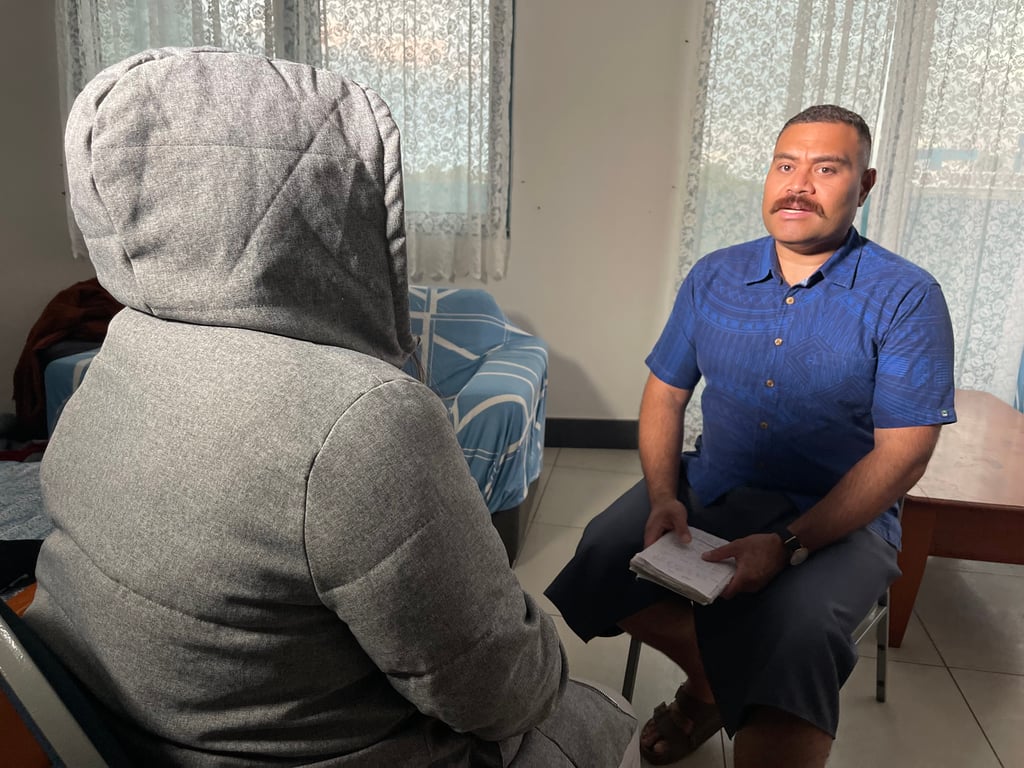
The scheme promised marriage in China with the allure of financial security.
For Peti, the offer seemed like a solution to her family’s struggles.
“When marrying a Chinese person: I won’t need to worry about getting married in China, I don’t need to worry about paying anything,” she recalls.
The promise included a life of luxury: “the guy I will marry owns a car dealership and other businesses. Each month a thousand dollars will be sent to my family while I begin a new life that is better.”
‘Ana, the first of the two to leave, departed Tonga in October last year for a city southeast of Beijing. She arrived with the hope of starting a new life with a husband she had never met, only to find herself subjected to a series of humiliating inspections.
“Different groups of guys and their mothers came to see me, to see if I am a potential wife,” ‘Ana says.
“The people who came to see me really looked down on me… because of the way I look, but I stayed strong because of the opportunities that I’ll gain.”
A harsh reality and pressure.
The honeymoon period never arrived. Upon Peti’s arrival in February, the promises were immediately broken.
“They told me I won’t need to work over there, but on the day I arrived there they contacted me and told me to go work and support my partner,” she explains. Worse than the financial deception was the physical and emotional coercion.
The matchmakers frequently pressured the women to conceive: “A lot of time they would ring and force me to sleep with the guy so we can have a baby. It wasn’t up to us or to me.”
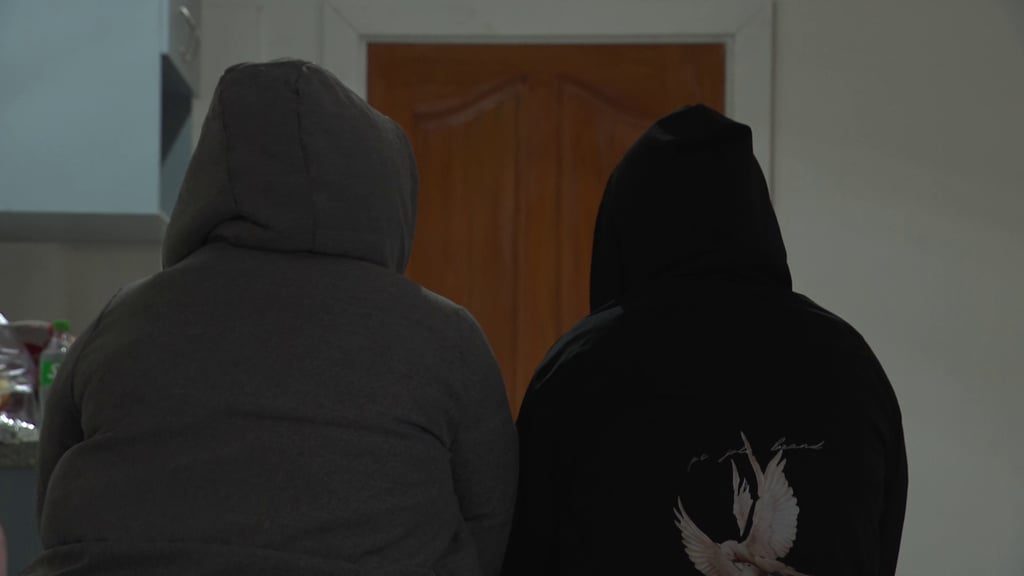
‘Ana faced similar pressures and found herself in dire circumstances when her partner’s family demanded the money paid for the marriage be returned.
“The family’s behaviour changed towards me… there was a time they didn’t give me food so I starved,” she shares.
When the women eventually sought divorces, their spouses turned violent, confiscating their passports and phones to prevent them from leaving.
The Escape and Investigation
The women were eventually rescued through the efforts of China-based Tongan woman Tapenisa Mahe and other nationals living in China who fundraised for their return. Tapenisa says there could be others.
“I don’t know where they are and hopefully with the awareness, with this interview, hoping that they’ll be able to hear, find out on social media and try to reach out for help. It’s not too late.”
Now back in Tonga, their ordeal has triggered a formal police investigation. ‘Ofa Guttenbeil-Likiliki, director of the Women and Children Crisis Centre in Tonga, says that the case exhibits, “signs there that align with the internationally recognised elements of human trafficking.”
While the Chinese Embassy in Nuku’alofa has labeled the incident a “transnational marriage dispute,” the local investigation continues to uncover more victims.
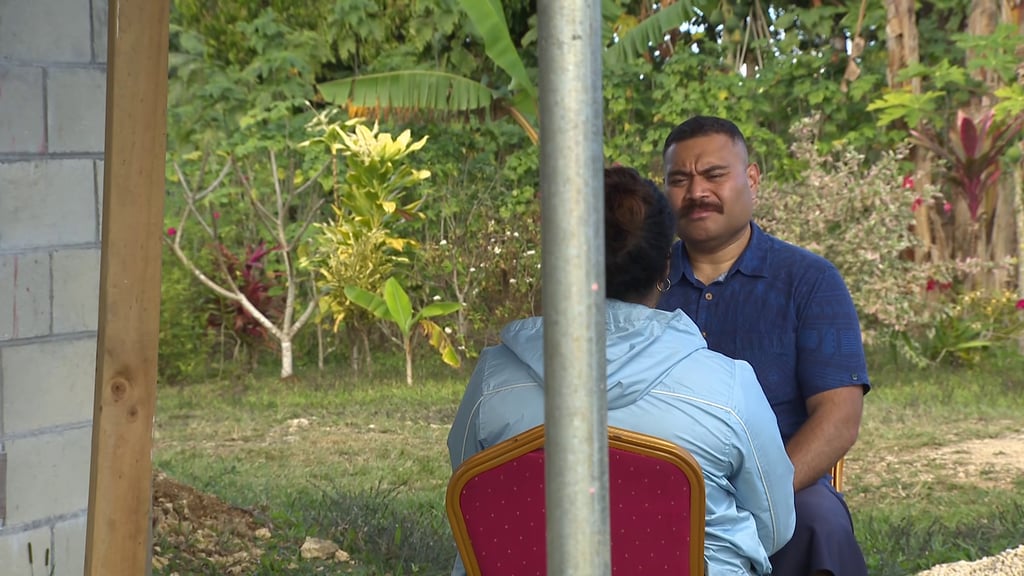
Another young woman, Mele (not her real name), was targeted by the matchmakers with identical promises of romance and wealth. However, her family stepped in and persuaded her against going.
Reflecting on her choice, Mele shared, “My sister said no, I shouldn’t go to China in case something happens to me over there as we have no family there. I am better off going to New Zealand, Australia where I have lots of family. It’s better I go there to find a future rather than China.”
Meanwhile, ‘Ana hopes her story serves as a warning for other young women.
“Talk and share awareness with the youth as this has been a lesson for me…so they don’t go down this path,” she urges.