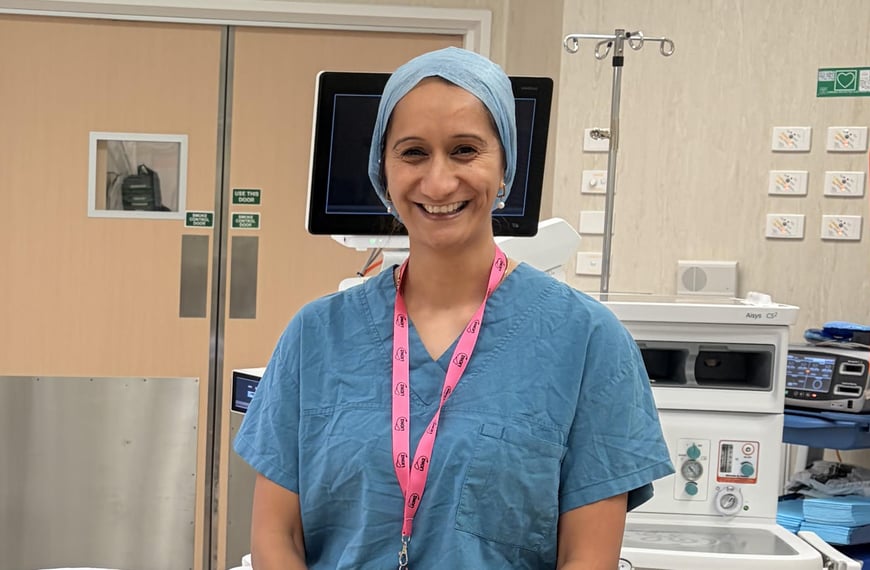
“You need models that are actually being designed around the realities of Pacific women and Pacific communities. You need to understand the geography, culture, family, workforce constraints and the reality of daily life that they have.” Gynaecological Oncologist Dr Ai Ling Tan
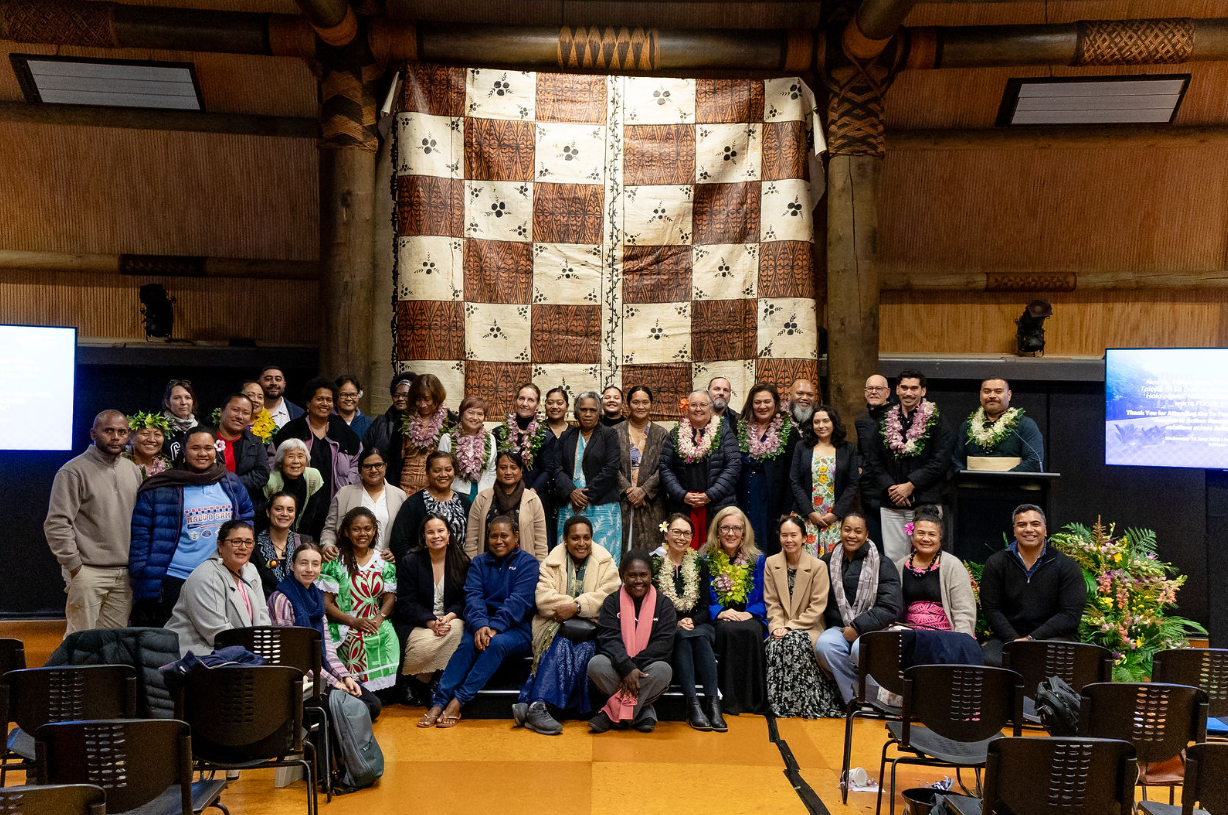
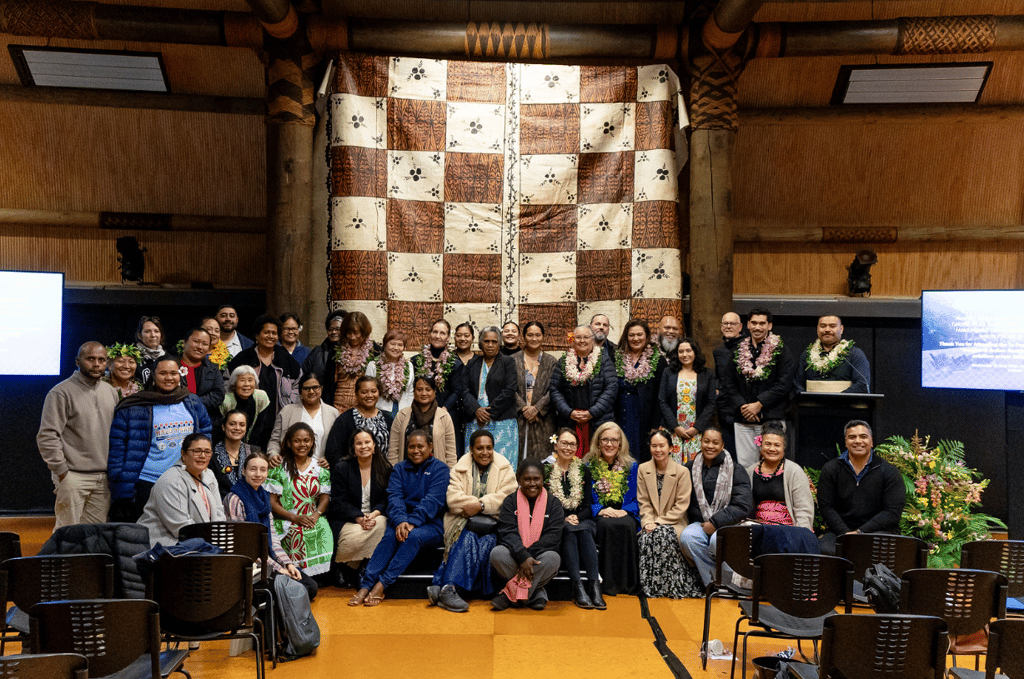
The importance of Pacific research and science, women’s and mental health, the climate crisis and the use of AI tools in healthcare were among the topics discussed at Waipapa Taumata Rau Auckland University’s Fale Pasifika this week.
The topics were part of the Te Poutoko Ora a Kiwa, Centre for Pacific and Global Health Research Symposium 2026 attended by leading health professionals, academics and researchers from around Aotearoa, the Pacific and further afield.
Delivering her keynote address – Building a Pacific Model for Women’s Cancer Care, People-Partnerships – Pathways, Dr Ai Ling Tan (University of Sydney) shared her insights as a gynaecological oncologist having worked over 20 years in the Pacific region.
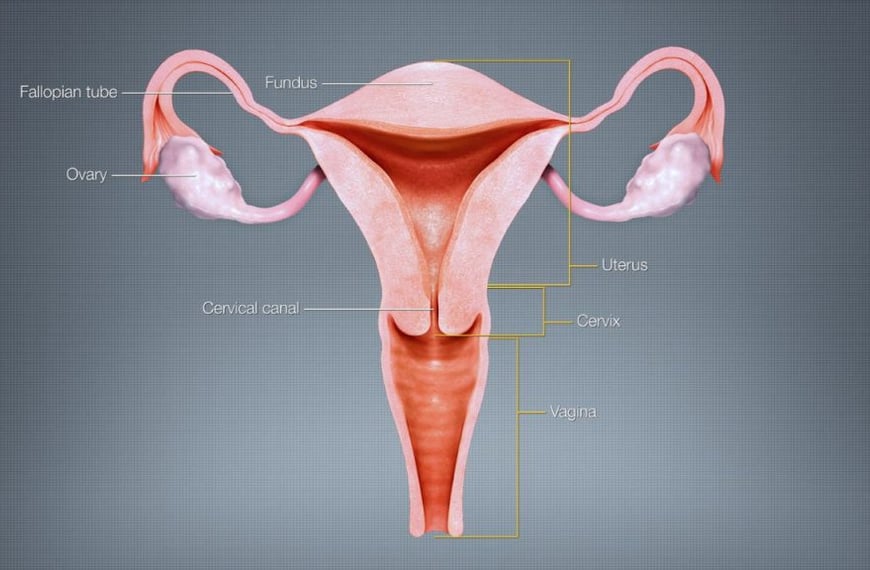
Dr Tan highlighted the challenges that geography can have as a potential barrier for access to health care for women particularly in the Pacific. Her talanoa touched on models of care for women diagnosed with cervical cancer.
She posed the question, “cervical cancer is both preventable, treatable, curable when detected early, why is it the woman who lives an hour from Cairns, Australia, in Papua New Guinea, or three hours from New Zealand in Fiji, not have access to care? Why should geography determine survival?”
She outlined that over 80 percent of women in the region do not return for a follow up after the initial screening for cervical cancer. She says this can also be attributed to geography and the travel and expense that can hinder women from returning for follow-ups and treatment.
Dr Tan says better pathways need more attention to cater to the needs of women who live in countries where access is not always readily available or affordable.
She added that in terms of Pacific models of care, “people like to think that models of care from high income countries to low income countries work, it doesn’t.”
“You need models that are actually being designed around the realities of Pacific women and Pacific communities. You need to understand the geography, culture, family, workforce constraints and the reality of daily life that they have,” says Dr Tan.
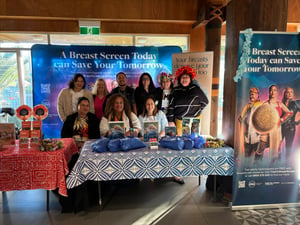
One of the breakout sessions at the symposium was the panel ‘Women’s Health: Eliminating Cervical Cancer in the Pacific’ which looked at the urgency around this issue.
Founder and director of New Zealand’s National Center for Women’s Health Research Professor Bev Lawton, who is credited with advancing HPV screening and self-testing, says while there are positive signs of Pacific women choosing to self test, around 79-82 percent, the concerns are that women are not following up after diagnosis and potential treatment pathways.
Obstetrician and Gynecologist Dr Kara Okesene from Middlemore hospital shared her reflections and says she’s not surprised to see the high number of Pacific women utilising the self-testing kits, considering the sensitive nature of the examination.
“Our women are very sensitive around examinations especially when it comes to what are considered taboo parts of the woman’s body,” Dr Okesene-Gafa says.
“Anything from the waist down is still so taboo… so, hugely culturally important for us those simple cultural beliefs that are ingrained in us.”
Co-director of the Symposium Professor Sir Collin Tukuitonga, was encouraged by the level and depth of the talanoa that aligned with the theme of the day-long event, ‘Insights to Action: Research that strengthens health and solutions across Aotearoa and the Pacific’.
“We have the knowledge, we have the tools, and we have strong leadership in the Pacific. If we bring these together in ways that work for our communities, cervical cancer elimination is entirely achievable within our lifetime,” Dr Tukuitonga says.