“Education is the most powerful tool to change your life, be part of it, don’t sit back and watch. Be part of the future of AI” – Lālanga Founder Lesieli Oliver.
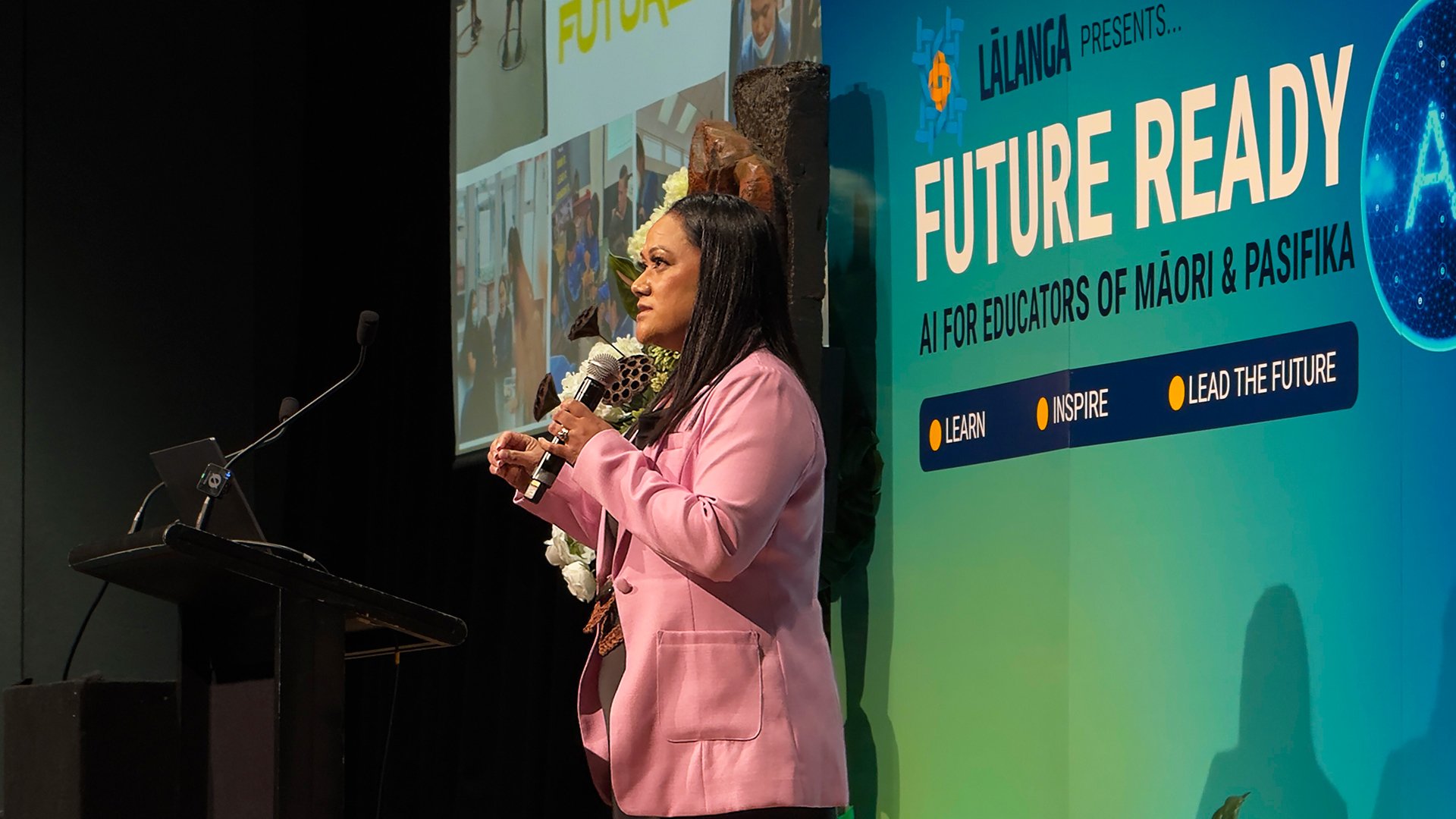
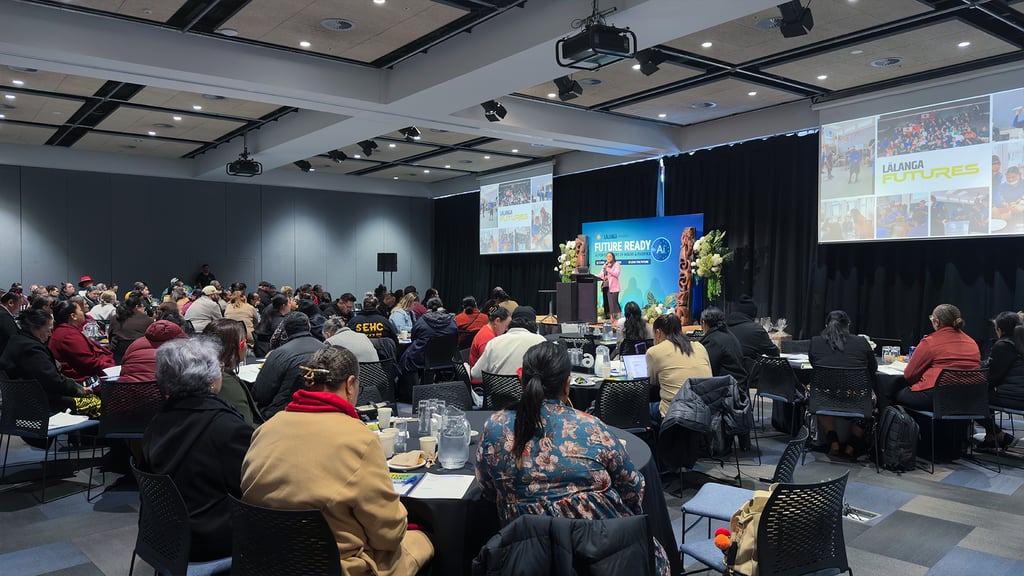
Over a hundred educators gathered at Manukau’s Due Drop Centre on Wednesday for a groundbreaking future-focused conference on Artificial Intelligence (AI).
Hosted by educational organisation, Lālanga and spearheaded by founder and educator Lesieli Oliver, the conference aimed to build confidence, capability and cultural understanding of AI – one of the fastest growing technologies shaping the world today.
For Lesieli, the motivation behind the conference was simple: ensuring Māori and Pasifika communities are not left behind.
“It’s about bringing our people together. It’s about teaching them about AI and growing their confidence in AI in a Māori and Pasifika way,” she said.
“It is about understanding and learning about AI in relation to our culture.”
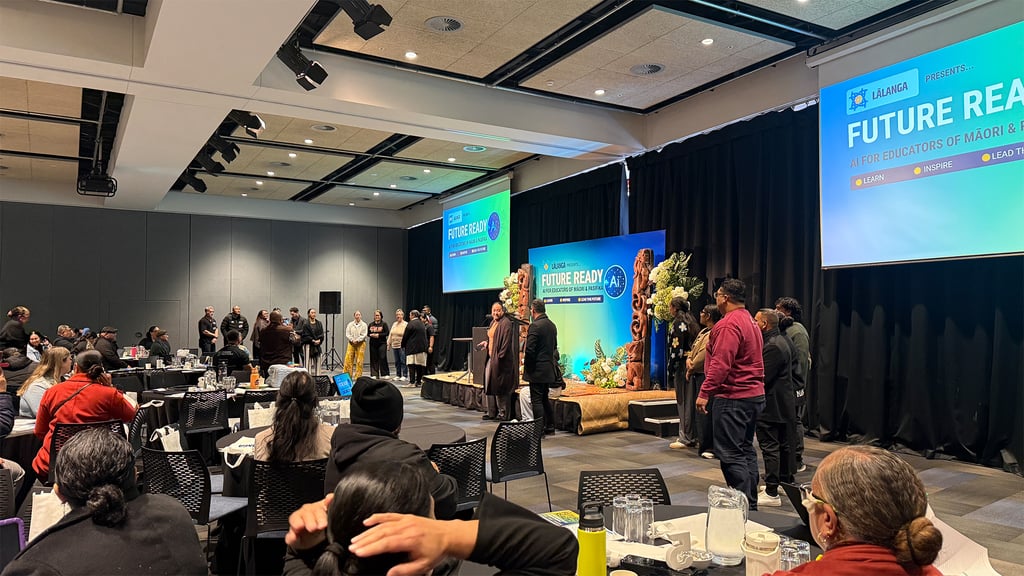
Having the conference in South Auckland carried great significance.
Lesieli believes that conversations about emerging technologies are often centred in affluent places or universities, but rarely in South Auckland.
“I wanted it to be in South Auckland because it encompasses where it is most needed,” she said.
“I wanted us to be the first to do it. I wanted us to embrace our pioneering and visionary spirit of going into the unknown and being part of this movement. Not out of reaction, but being proactive about it.”
But hosting a conference in South Auckland came with financial barriers. Lesieli said the initial charge was $499 per person which resulted in only 20 people registering. It wasn’t until a generous scientist sponsored the event and paid the necessary costs for 120 educators to attend.
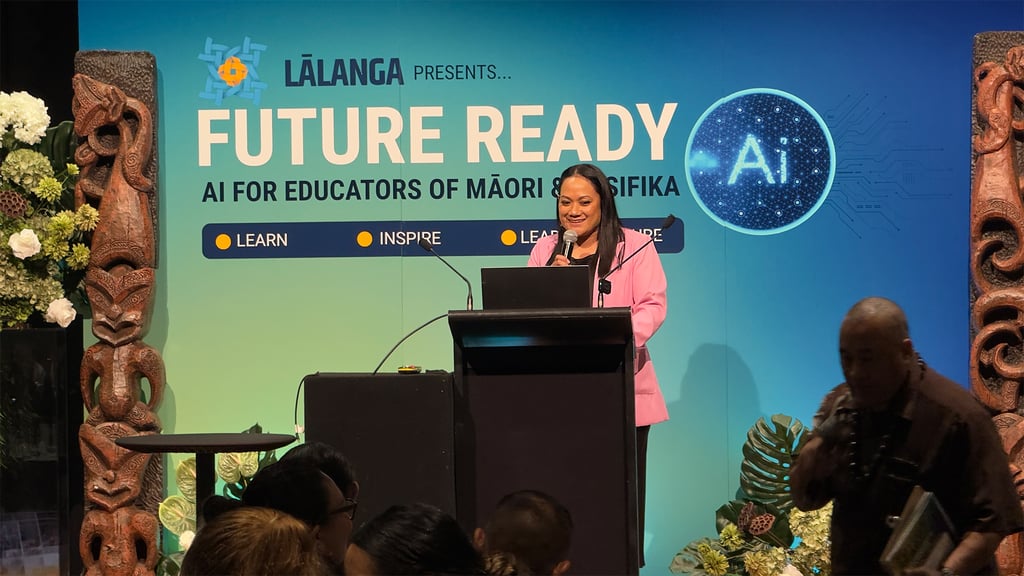
Recognising that the digital divide is not just about the lack of resources or internet connectivity, Lesieli says it’s also about the lack of discussions within the Māori and Pasifika communities.
“If there’s no one talking about it, if there’s no one teaching it, then there’s no one helping to grow the skills then that divide will be bigger,” she says.
“It’s about not having the capabilities to take part in the future and so this is why we wanted to do this.”
The conference was also deeply rooted in education equity.
After six years of working in education with Lālanga, and two years of teaching at Tangaroa College, Lesieli noticed students weren’t engaging in their learning anymore. In 2024, she observed that many students disengage from topics that lack cultural or personal connection.
This inspired the creation of Lālanga Toolbox – a resource platform that helps schools or families identify an issue in student learning. Lālanga will assess and create materials that are meaningful and culturally relevant for students to ensure learning remains ‘fun’ and engaging.
One of Lesieli’s key proposals during the conference is for schools to implement AI licenses for both students and teachers. Her vision by 2027 is for every school to have an AI policy with clear guidelines supporting safe and accountable AI use.
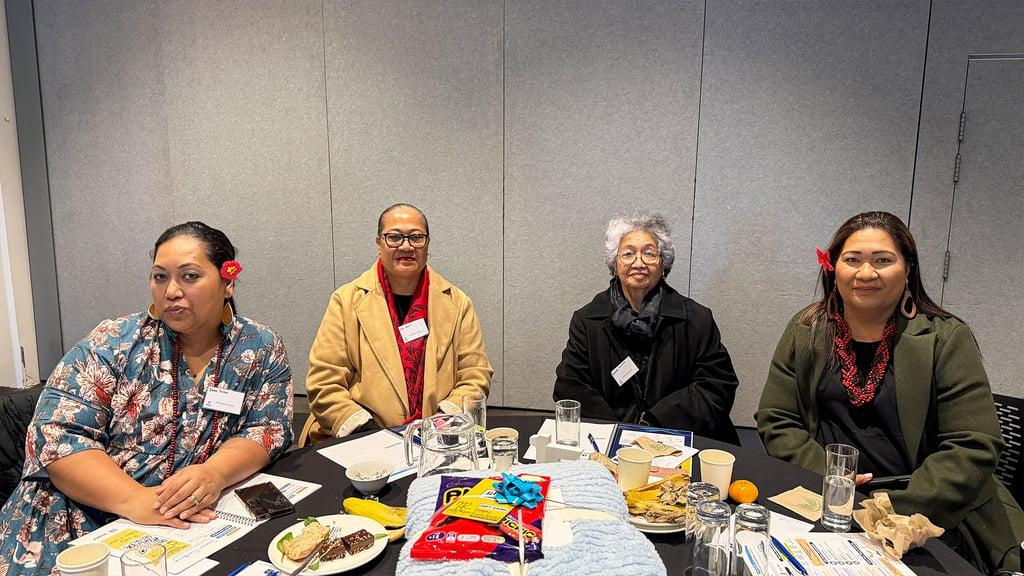
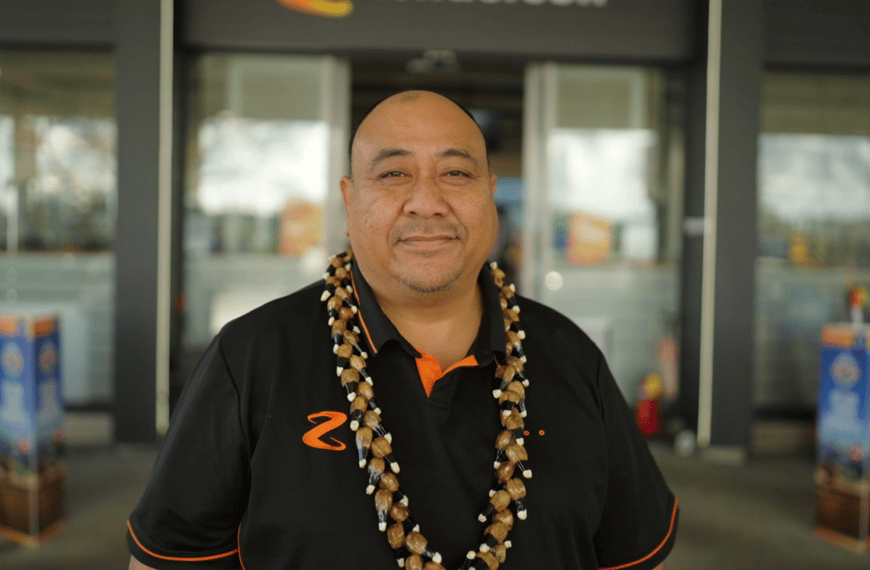
Early Childhood Educator Sulieti Pau’uvale-Moa supports the need for safer regulations for students navigating AI tools.
“We need policies and procedures to guide and inform. We need leaders to lead this in the space that we’re working on and to ensure the safety of our children,” Sulieti says.
“How can we prepare our children when we aren’t prepared ourselves? This is the 21st century, everything is AI and we’re using it but yet we don’t know the depth of it.”
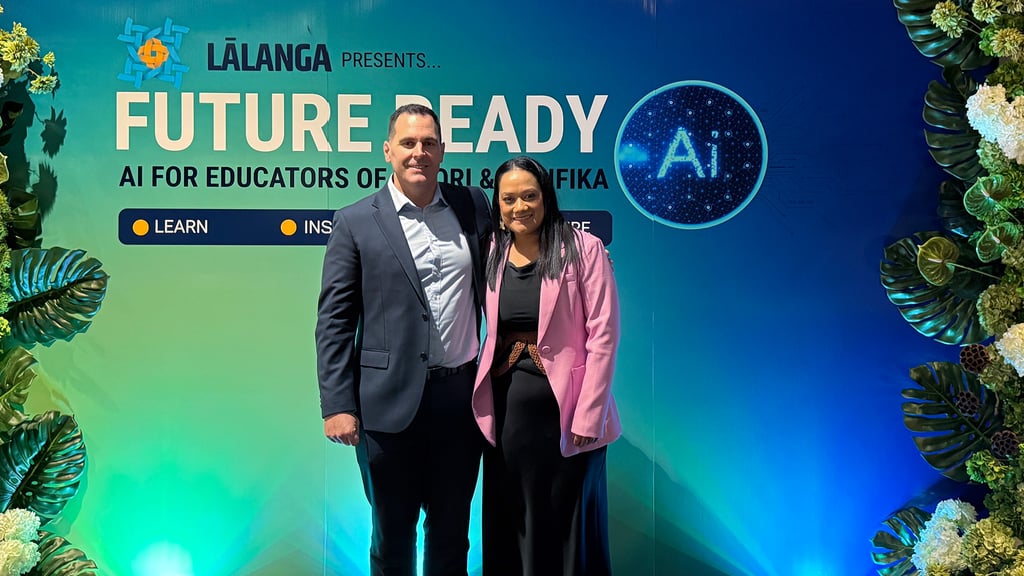
Co-founder of Lālanga and technology expert Daniel Oliver emphasises the need for communities and schools to develop their own frameworks to protect sensitive data from being exposed to AI systems.
For Sulieti, data protection and privacy risks remain a high concern.
“Most of us, we use it but without understanding everything about it,” Sulieti says.
“We’re using AI for our assessment of our children’s learning and providing information to stakeholders… there’s a caution there, how safe is this assist tool?”
Discussions of AI replacing certain roles and positions can create a misconception that AI is a threat. But University of Auckland’s AI Thematic Lead, Dr Guy Bates encourages users to see AI as an augmentation, rather than an automation.
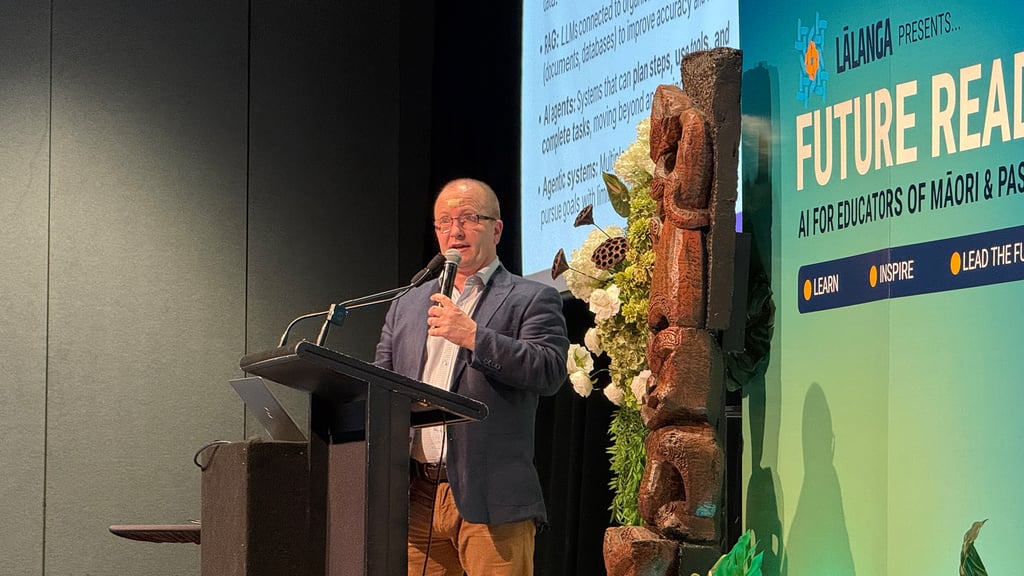
For Dr Bates, it’s about shifting the design from “we need to stop students from using AI,” to asking, “what capability do you want students to strengthen and how AI might enable that development through the appropriate development of AI skills?”
Lesieli also challenges the fears of AI replacing humans by stating that it can’t replace everything.
“It’s important to hold onto your values and your culture and who you are. That’s what AI can’t replace.”
For many educators, the conference marked the beginning of a new journey ahead. They walked away fully equipped with practical AI knowledge and a renewed confidence in digital tools.
Sulieti says she’s looking forward to implementing what she’s learned into her workplace.
“Today has been a lot of great information and a lot of learning for us. Lālanga has weaved everything together to make sure that when we go back we’re able to ensure that AI in our services are meaningful, user friendly and safe for everybody to use,” Sulieti says.
“Because at the end of the day, we are the people who are teaching our children and preparing our children for the future.”
Lesieli believes that the path forward for our people is to take the lead and embrace AI fully.
“Education is the most powerful tool to change your life, be part of it, don’t sit back and watch. Be part of the future of AI,” she says.