“One day, I’m gonna wake up and I’m gonna miss the routine” – Sapini Unoi
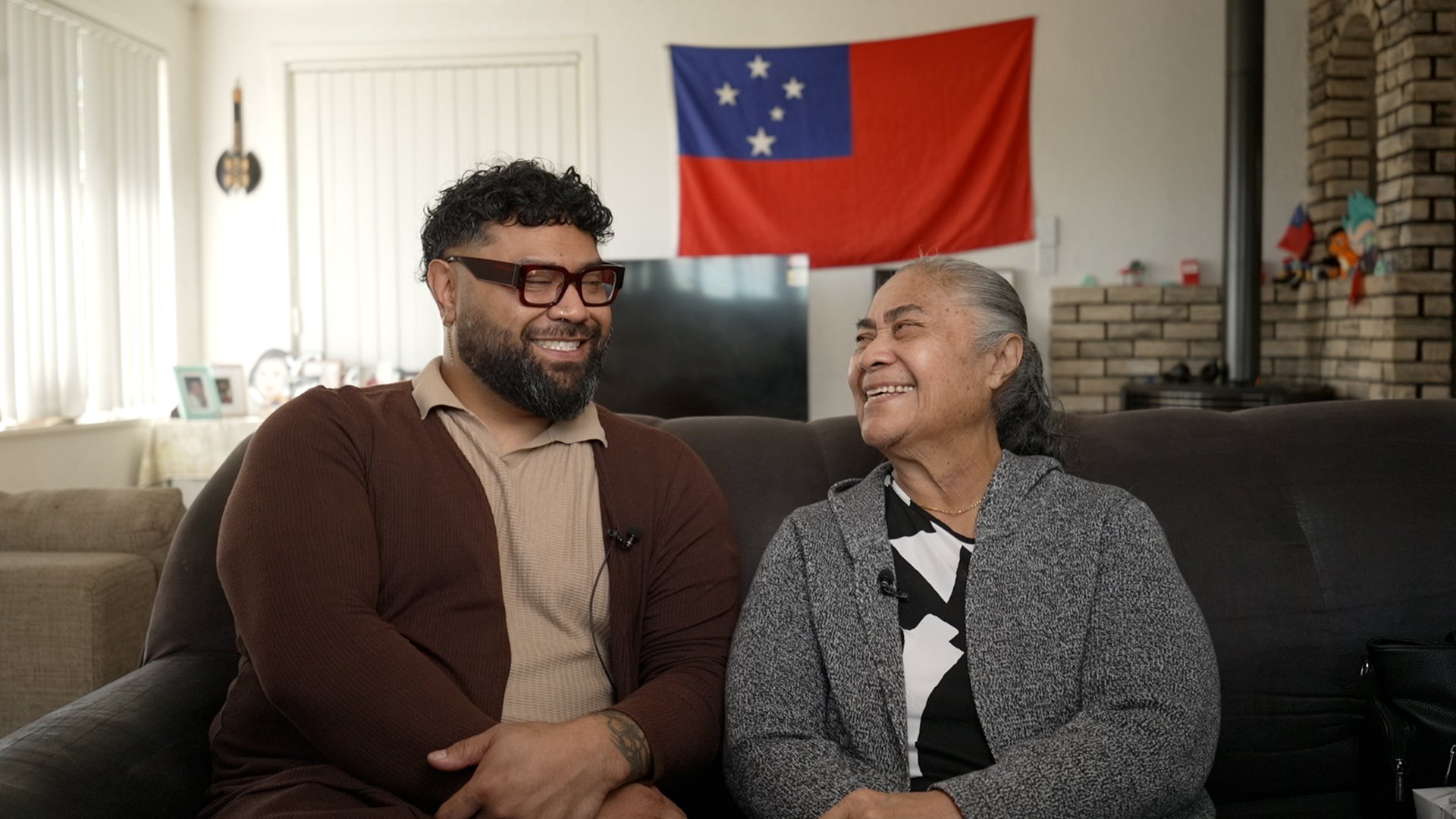
Woven through the daily struggles of dementia care, is the unwavering thread of love and purpose that binds a Samoan son to his 75-year-old mother.
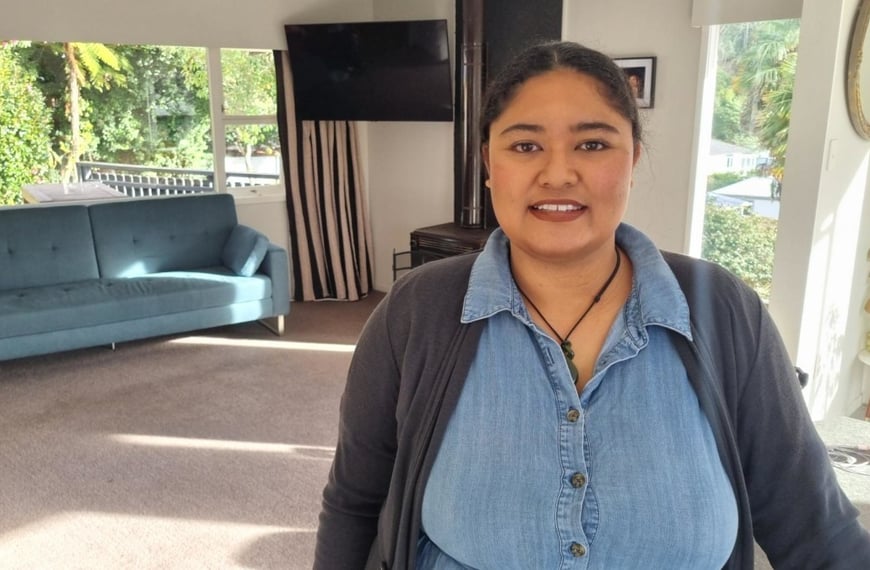
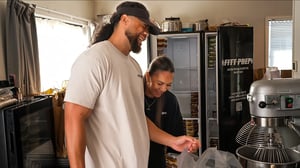
Sapini Unoi (37), the youngest of four sons, has courageously taken on the role of a full-time carer for his mother, Mutalau Unoi, who is double diagnosed with Alzheimer’s and vascular dementia – a condition caused by low blood flow to the brain resulting in memory loss, confusion and thinking difficulties.
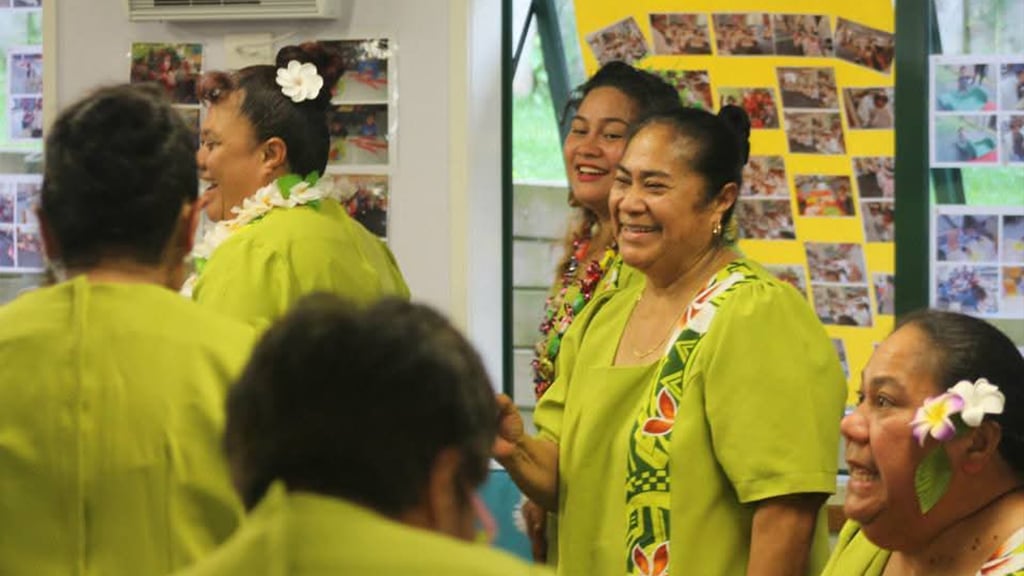
But before her condition disrupted her independent living, Mutalau dedicated 25 years serving her community as a registered nurse at Waitakere Hospital. She later worked as an early childhood teacher before her retirement.
Mutalau was officially diagnosed around 2022-23, but it was during the Covid-19 pandemic that Sapini first observed the early warning symptoms.
“Just forgetfulness in small patches or phrases,” Sapini says.
“Forgetting where particular things were such as her keys, her phone. I also noticed mum’s difficulty with wanting to shower, her hygiene was slowly slipping.
“My mum was very kū māmā, very clean and tidy lady, so that definitely stood out. Things like that were definitely the prevalent early signs of the beginning.”
Now, the roles have changed.
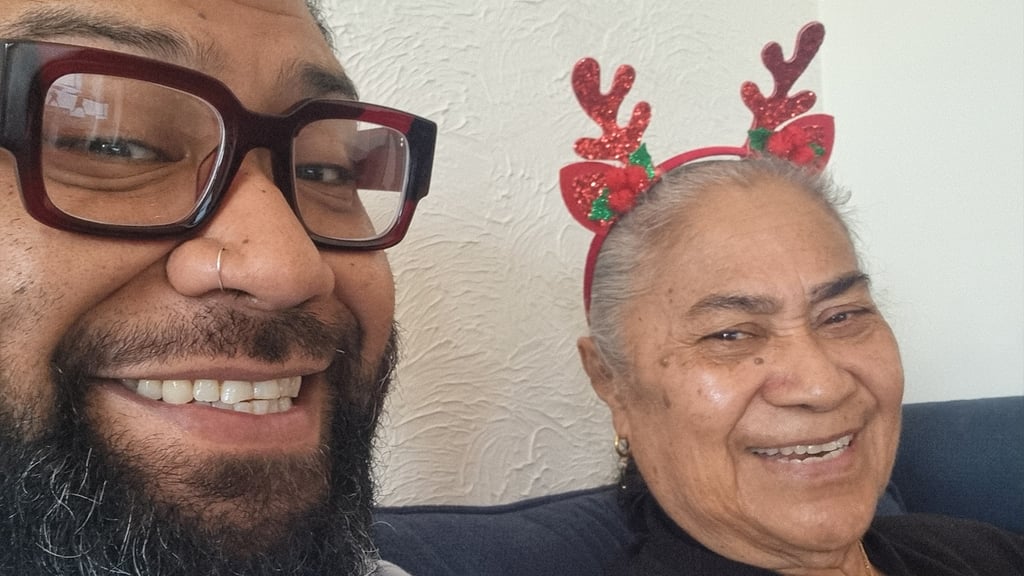
The hands that once treated patients at the hospital and guided young children now need guidance with everyday life. For Sapini, witnessing his mother’s independence slip away meant stepping up to be her carer.
But taking on this role came with its own toll.
Sapini fell into addiction and used meth as an escape, a habit that escalated during the Covid-19 pandemic and persisted even after a stint in rehab.
“I needed to make a decision about whether I was going to jump into the same role that broke me again,” Sapini says.
“There was no thought about my sobriety, there was no thought about how am I going to do it. It was very much led with love first.”
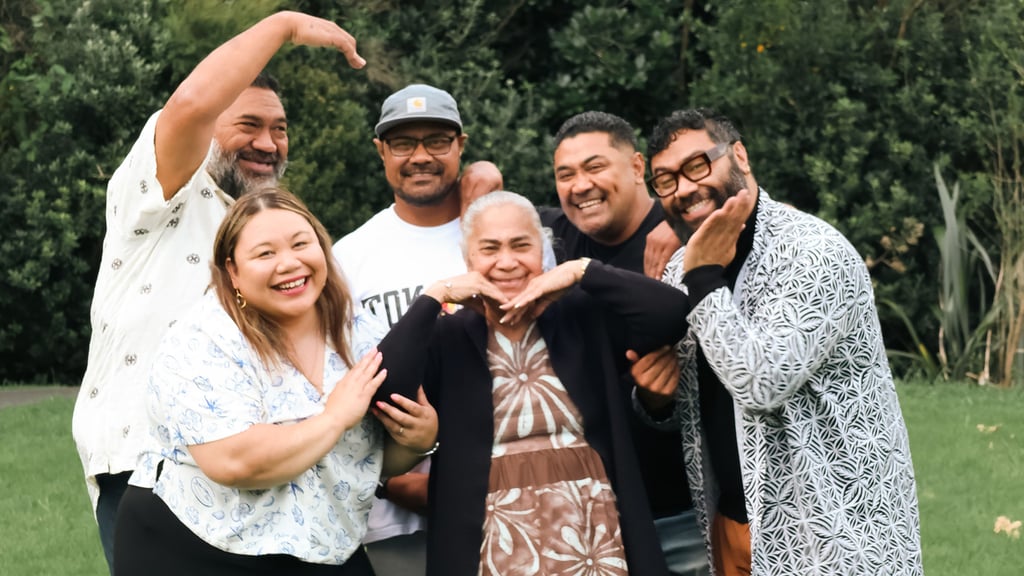
Taking Responsibility
The initial hardships of caring for his mother stemmed from navigating the journey alone.
Although he had three older brothers, Sapini found himself bearing the personal weight on his own.
“They’re aware that I speak quite openly and honestly about it,” he says.
“I just come to accept that they also have lives of their own. They’ve got kids and there’s other people that they need to consider.
“I think my disappointment is not being able to make [Mum] a priority. I think that old saying rings true; is that, if you wanted to, you would.”
Sapini emphasises the importance of having early discussions about who and how to care for relatives facing cognitive impairment – an opportunity his own family missed.
“Being the baby and also being a fa’afafine, it’s almost like this quiet expectation because of who I am, not having any kids and obviously not going down the traditional route of not having a relationship and, I guess, a woman,” Sapini says.
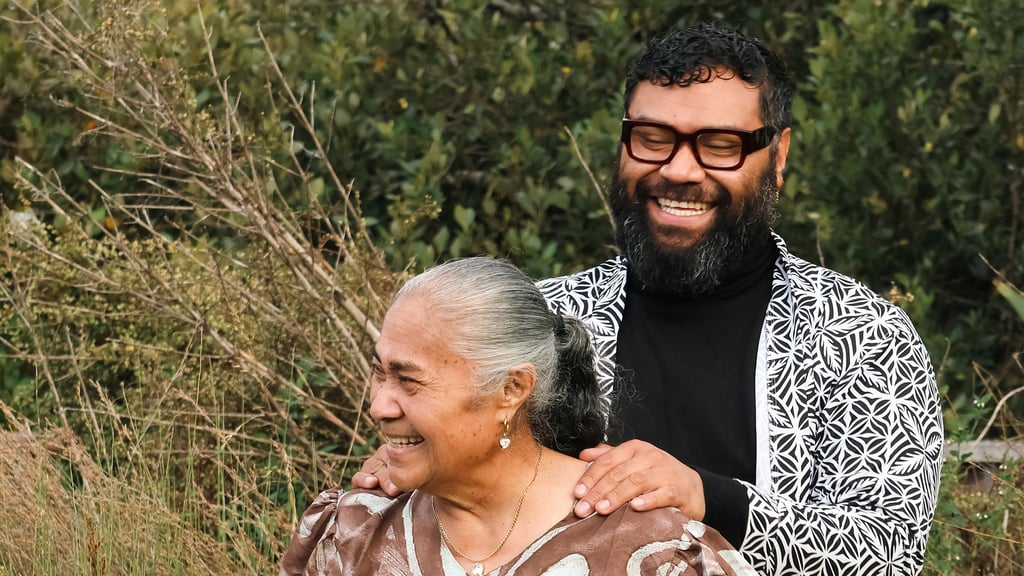
“There is this expectation that you know, people like us will naturally fill those roles.
“Unfortunately, my experience has led me to believe that people are happy for us to decorate the table, but usually they’re not happy for us to have a place at that table to have a some sort of say or decision in.”
Sapini adds that families often wait until a crisis happens to make life-altering decisions, without factoring in the weight it has on the individual who’s taking on the carer’s role.
“We don’t think about whether our parents will have these illnesses such as dementia, Alzheimer’s, Parkinson’s, cancer, and so, early prevention can only, I guess, plan so much but being able to ask someone, just out of pure courtesy, are you okay to take on that role?” he says.
“It has quite a deep meaning for someone in a role like mine, being acknowledged, being asked if it’s okay.”
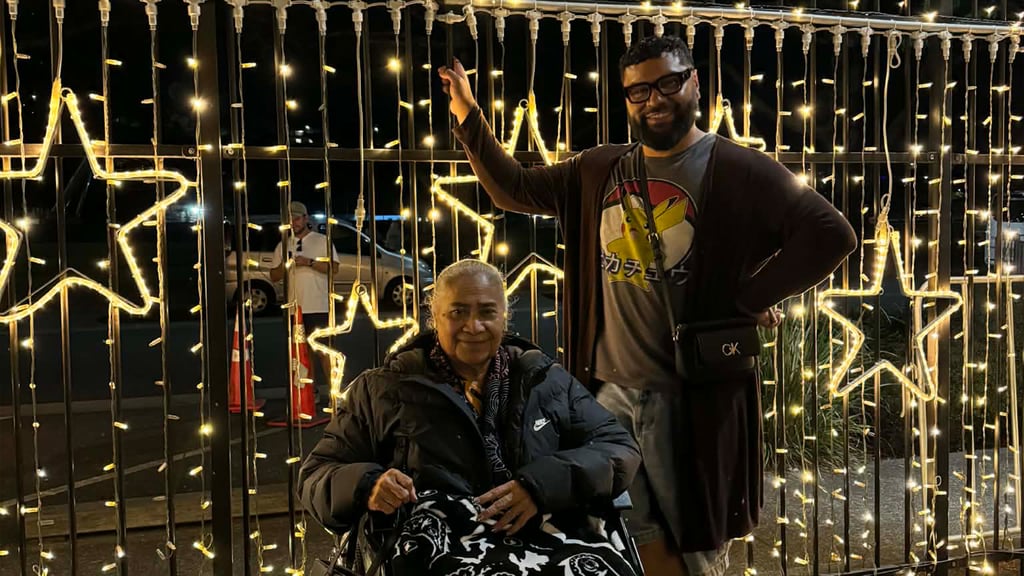
A New Outlook
Through carrying this heavy responsibility for the past years, the experience has given Sapini a new outlook on life.
“I think I’ve realised that I don’t think I’ll ever be okay, and I guess how hard as it is, just to remind myself that this is temporary,” he says.
“One day I’m gonna wake up and I’m gonna miss the routine, I’m gonna miss the mood swings. And so, reminding myself that everyday, although it’s difficult, it does help me kind of get by.”
Drawing on his own lived experiences, Sapini turned to social media as an outlet to raise awareness of dementia care. But sharing the rawness of his caregiving journey also opened a wormhole of judgment and scrutiny.
“There have been people who I guess have challenged the intent of why I share or why I decided to post my mum publicly,” Sapini says.
“It’s hard. You want to feel like people will hold your story with care, so each time a negative comment pops up it’s like ‘oh my God’.
“I’ve come to understand that, people that comment [negatively] don’t understand and therefore, it is not for them. This journey or the depiction of our journey is not for them.”
On the flip side of the coin, he’s found others facing the same struggles.
Through reading other people’s caregiving experiences, Sapini noticed the lack of support for carers.
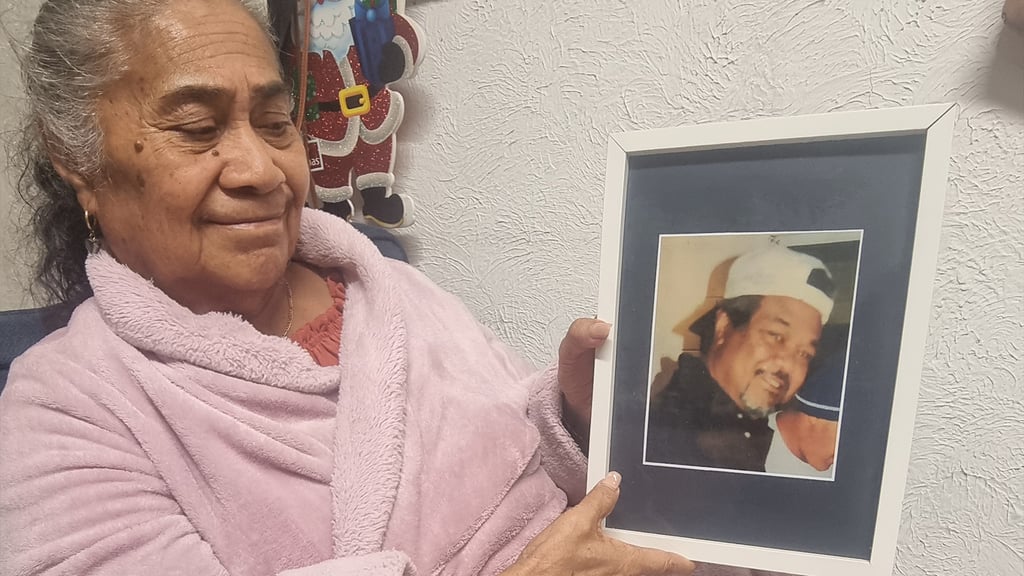
Deprivation a Factor
Although he receives a Supported Living Payment, the financial strain still adds pressure. This echoes the recent findings of Auckland University’s Dr Etuini Ma’u which show dementia risk is linked closer to deprivation than ethnicity.
His research shows that people living in the most deprived parts of New Zealand have a 50 percent higher risk of dementia, compared to those living in the most affluent areas.
Sapini empathises with these findings as he witnessed firsthand the lifelong toll of deprivation on his mother.
“Our parents are hard workers. The deprivation of finances because they have to work three to four jobs and constantly have no sleep,” he says.
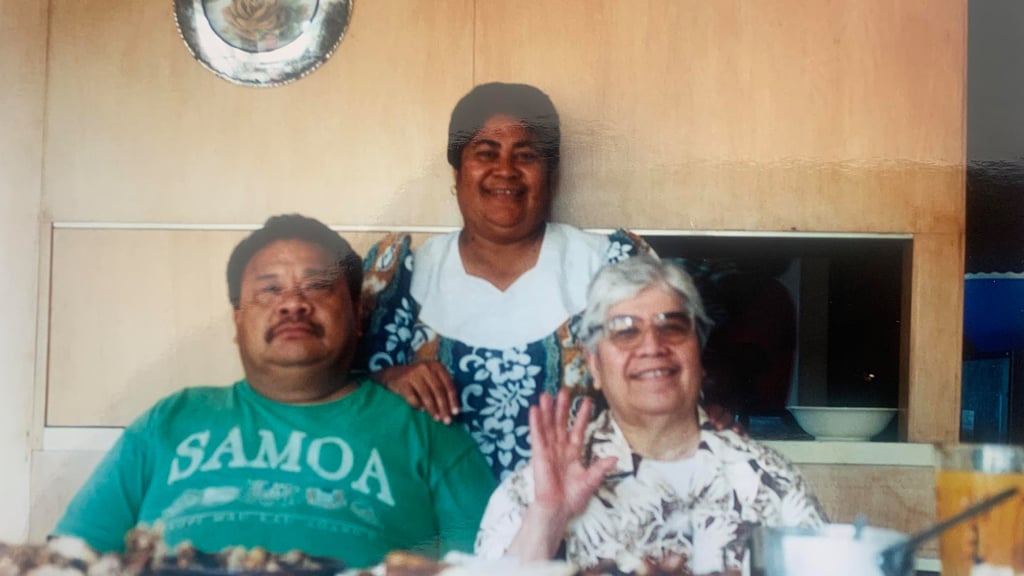
“I have seen firsthand what no sleep looks like when it comes to my mum, having to work as a nurse from 7pm to 7am and also studying at the same time to become a teacher.
“Because our people are having to work these extra jobs to be able to get the finances to be able to get the basic necessities to put a roof over our heads, they’re missing out on the fundamentals which is being able to look after yourself. Putting your health first.”
He adds, “if you don’t look after your body and health, this is where you’re gonna eventuate.”
Sapini believes that further support needs to be implemented and awareness needs to be highly regarded. This led him to establish Le Malaga Incorporated – a support group to help bridge the gaps in the caregiving journey.
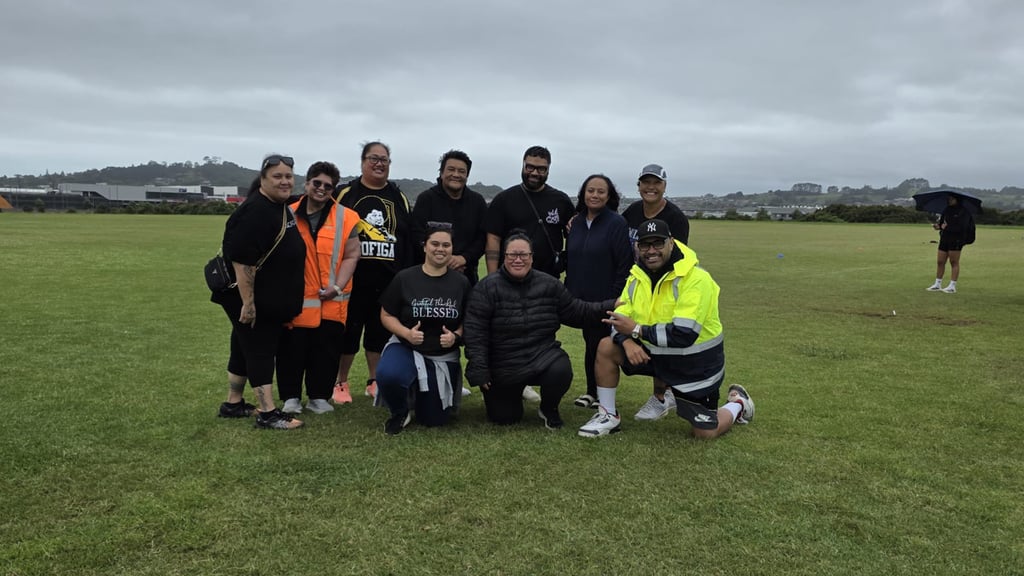
Bonded by their lived experiences, the carers are not clinically trained but provide each other with emotional and practical support.
“We are in the phase where we are putting proposals out and we are asking for the clinical needs that I guess our carers want and need, but also just deserve as well,” Sapini says.
The support group is also working on a geo-fencing app that allows carers to access resources and keep track of their loved ones who may experience the risk of wandering.
Additionally, the group organizes sporting initiatives – like their upcoming netball tournament during Matariki – to be “present in the community, spread awareness and connect with carers.”
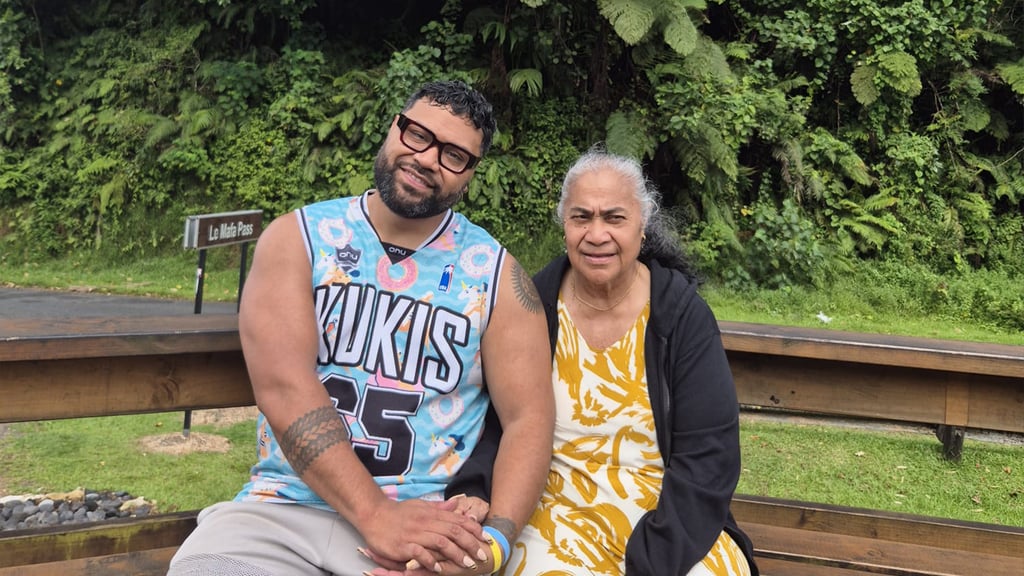
The Caregiving Journey
But beyond the initiatives and wider support, there is still a personal weight to shoulder.
“I think what I miss the most is her wisdom,” Sapini says.
“Being able to sit down and talk to her and get her advice, and I guess just the Samoan parents, the encouragement, you know, the faufautua and things like that, so that is definitely something that I miss.
“But also just being able to have a normal conversation. Our conversations are far from normal. They’re normal to us, but they’re not normal to the outside world.”
Yet, in an unexpected turn, these communication barriers are what brought them together.
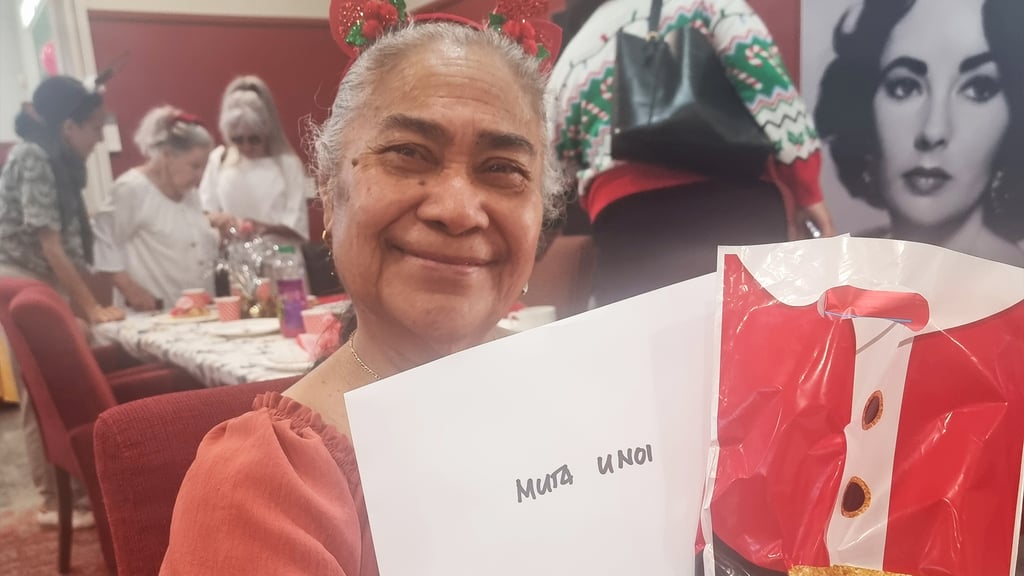
Sapini notes that Mutalau, a devoted pastor’s kid, was very strong in her faith and they often butted heads about his sexuality.
“One phrase mum used to use all the time was ‘God made Adam and Eve not Adam and Steve’, and that really shaped the way that I interacted with my mum,” Sapini says.
“Fortunately with dementia, a lot of the walls that those cultural and religious concepts had built up are gone because it’s no longer a topic.
“I can get my nails done with her now, we can talk about boys, have a giggle and laugh about it. It really has, I guess, in some way allowed us to build a bridge of our own understanding.”
And through the quiet devotion of caregiving, Sapini came to learn that tautua – to serve – is the ultimate sacrifice of love.
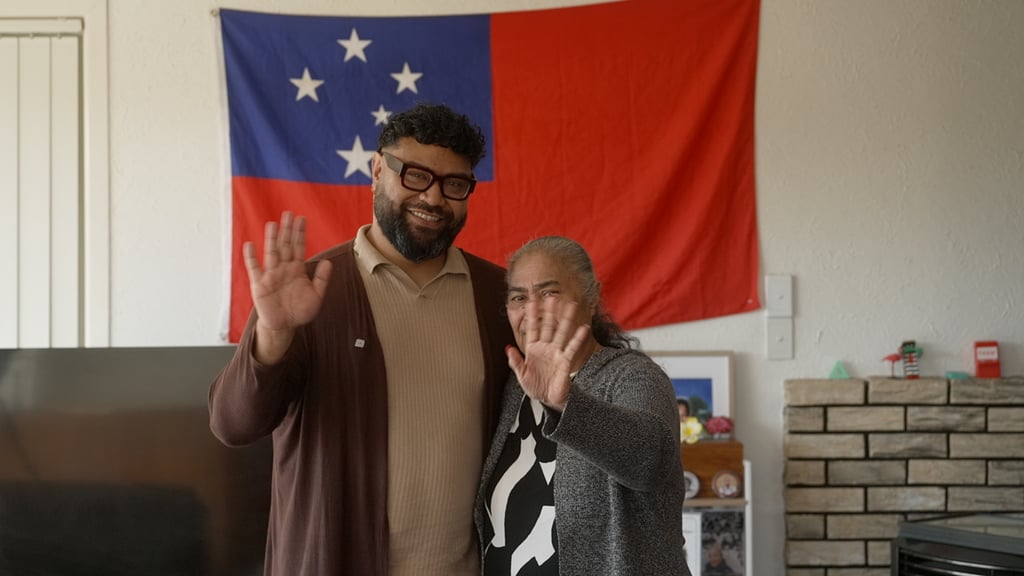
“Love is hard and tautua comes at a cost. I think that’s not spoken about enough [because] when you start talking about those things, people tend to think you’re going against the same values that you’re trying to uphold,” Sapini shares.
“People forget at the end of the day that I’m human. People in these roles are human and we have a limit so, people need to prepare and conversations need to be had. I think when they realise the cost and the toll, then maybe people wouldn’t be doing it by themselves, maybe siblings will be stepping in.”
Above it all, when it comes to embarking on your own caregiving journey, Sapini says it’s important to know that “there is no manual.”
“There is no right or wrong way to go about this journey… No one sat down and wrote a manual that this is what caregiving should look like. Leading with your heart first and foremost will get you through the most darkest of days.”
*Some quotes have been edited for clarity