
“If we want equitable cancer outcomes, we need education and healthcare services that are designed with Pacific communities, not simply delivered to them.” – Professor Gabi Dachs
A major study undertaken by the University of Otago – Ōtākau Whakaihu Waka and research carried out at the faculty of Medicine in Christchurch has found significant gaps in Pacific women’s knowledge of gynaecological cancers. This is despite these cancers having a disproportionately high impact on Pacific communities in Aotearoa New Zealand.
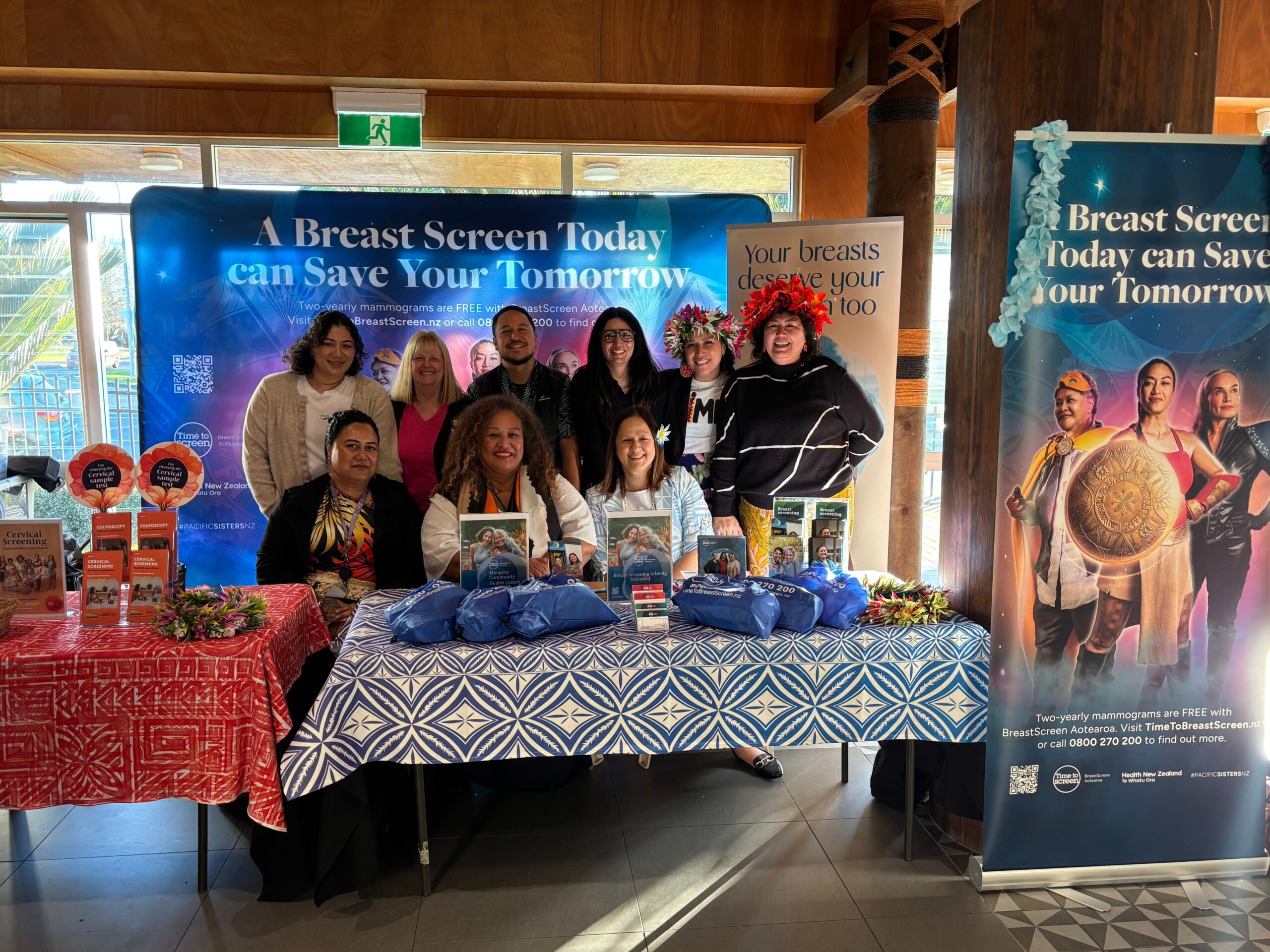
The nationwide survey of 94 Pacific women is the largest study of its kind undertaken in New Zealand and highlights an urgent need for better health education, culturally appropriate resources and more responsive cancer care.
Senior author Professor Gabi Dachs says the findings expose a serious health inequity.
“Pacific women carry a greater burden of gynaecological cancers than many other groups in Aotearoa, yet our study shows many are not receiving the information they need to recognise symptoms early or navigate the healthcare system confidently.
“Early diagnosis of ovarian cancer can make a substantial difference to survival, but women must first know what to look for and where to seek help,” she says.
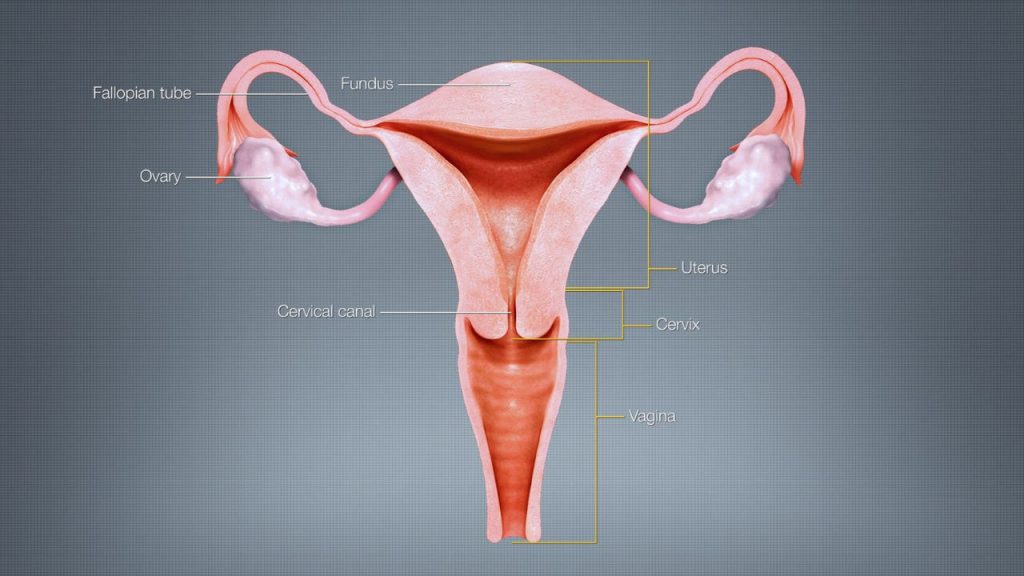
The study also found knowledge of other gynaecological cancers was also limited. While most women recognised ovarian and cervical cancer, fewer than one in five identified uterine cancer, despite Pacific women experiencing markedly higher rates of the disease than New Zealand Europeans.
Lead author, Dr Alex Tino, says many participants told researchers they felt disconnected from cancer information and research.
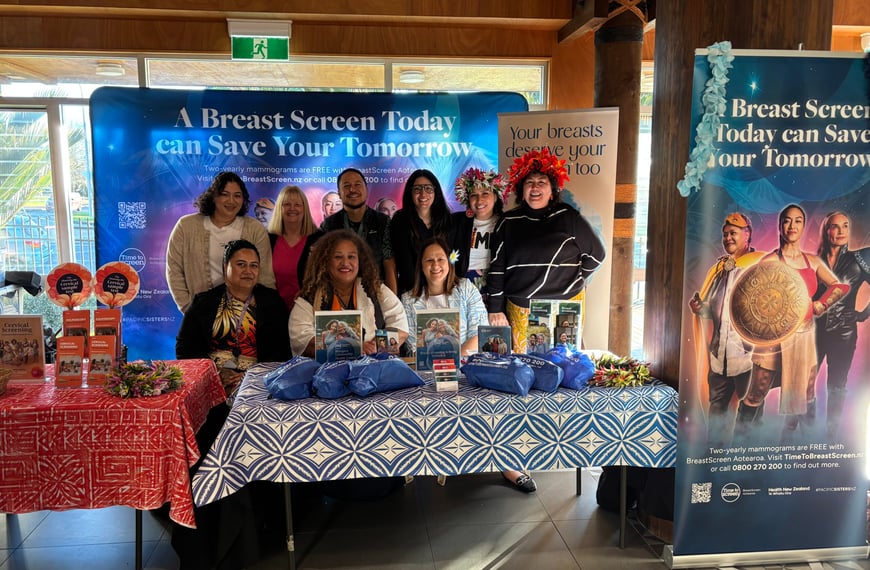
“Women repeatedly spoke about a lack of accessible, culturally relevant information. They wanted resources in Pacific languages, stronger community engagement and healthcare that recognises the realities of Pacific families and cultures.
Researchers say this highlights the importance of recognising spirituality and holistic approaches within Pacific models of health.
“Pacific health is often understood as encompassing physical, spiritual, family and cultural dimensions, therefore acknowledging those perspectives may help improve engagement with cancer services and screening programmes,” Dr Tino says.
The researchers say improving health literacy is one of the most important steps toward reducing cancer inequities.
Participants reported barriers such as information being difficult to access, available only online, or not provided in their first language.
Professor Dachs says the findings should help guide future cancer research and public health initiatives.
“This study gives Pacific women a voice in shaping the future of gynaecological cancer research in Aotearoa. The message is clear: prevention, early detection and culturally responsive care must be at the centre of our efforts.”
“If we want equitable cancer outcomes, we need education and healthcare services that are designed with Pacific communities, not simply delivered to them.”