“If we compare the Pacific people to Europeans, we tend to develop our cancer a lot earlier than Europeans, at least 10 years earlier” – Dr Simione Lolohea
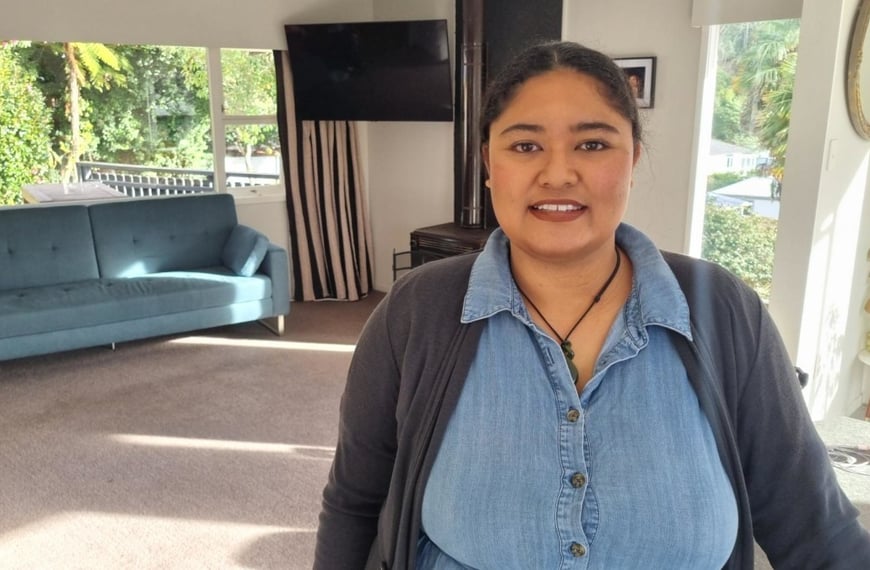
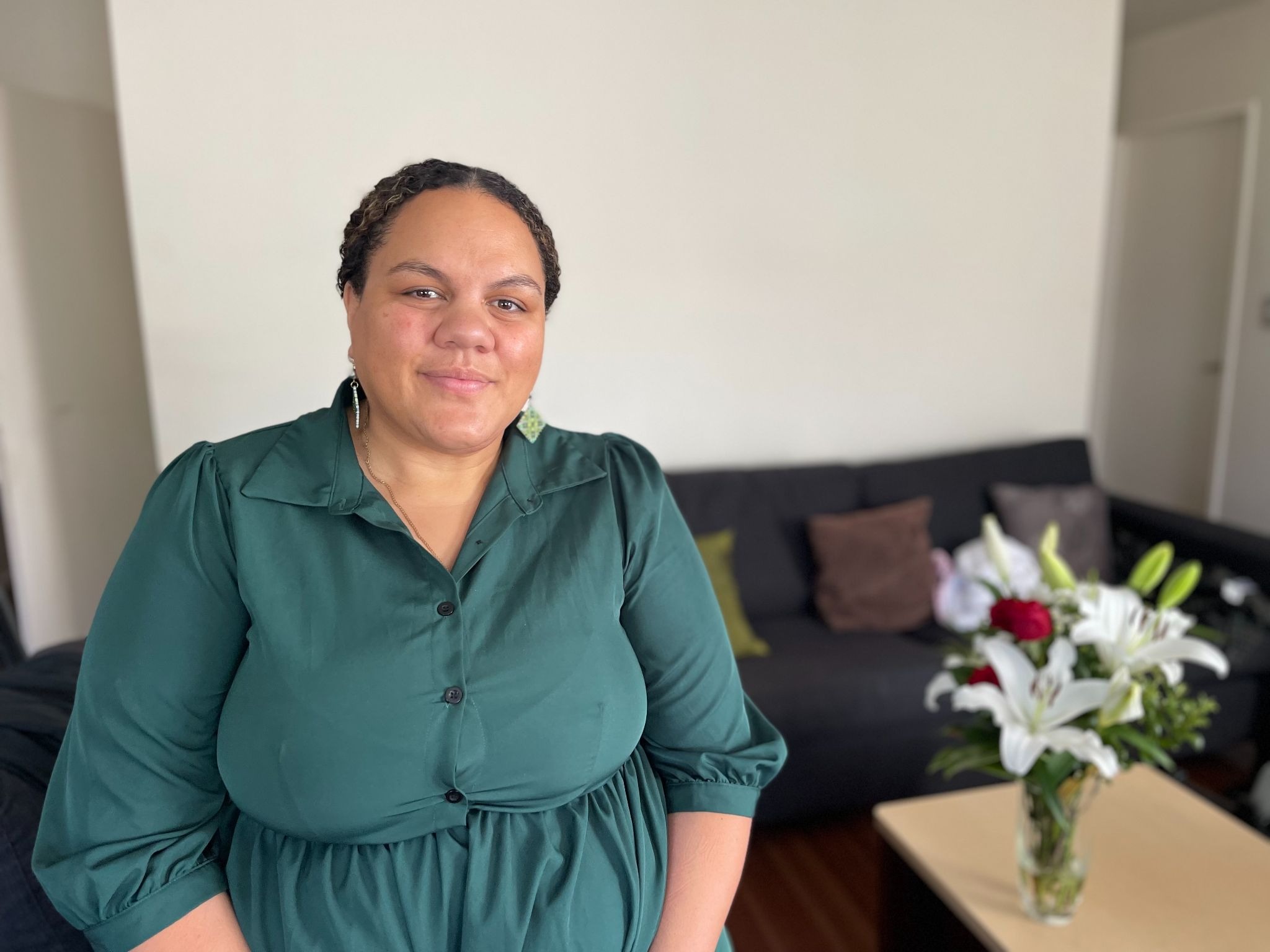
At age 32, Anna Heritage-Sao received news that would change her life forever.
“The Doctor said the words I’ll never forget: we’ve found a tumor and we are 99 percent positive that it is cancer,” Anna recalls.
Expecting a diagnosis of kidney stones due to severe back pain, she was instead told she had bowel cancer.
Her experience highlights a worrying trend of younger Pasifika people being diagnosed with a disease often mistaken for an “old person’s” cancer.
“People can find it embarrassing to talk about the symptoms, especially our island people,” Anna says.
“They can find it quite ‘ma’ to talk about blood, you know, you don’t want to talk about it. I think that was the biggest thing.”
Anna underwent surgery to remove a six-centimeter tumor and was fortunate to be diagnosed early enough to avoid chemotherapy.
By her side to provide comfort was her mother Julie Heritage.
“It was the shock of my life… ‘cos my mother had cancer, and that’s what she died from and so it took a while,” Heritage says.
Bowel cancer is the second deadliest cancer in New Zealand, claiming approximately 1,200 lives each year. The most worrying part is the growing number of Māori and Pasifika people being diagnosed far too late, losing their lives too soon.
Colorectal Surgeon Dr Simione Lolohea notes that this “silent killer” does not discriminate.
“Usually, bowel cancer is regarded as an old people’s cancer because usually it peaks around late 60’s and 70’s but it has now shifted not only for Europeans but for Pacific people,” he says.
“If we compare the Pacific people to Europeans, we tend to develop our cancer a lot earlier than Europeans, at least 10 years earlier.”
In response to these trends and the specific impact on high-risk groups, the government announced that, from September this year, the general screening age will be lowered from 58 to 56, extending access to thousands more New Zealanders.
Dr Lolohea says Pasifika and Māori need to get tested as they are often diagnosed at a much more advanced, and dangerous, stage. But, there is hope.
“This cancer is avoidable if we get it early, treat it and cure it. The best thing to do is not to detect cancer, but to detect the pre-cancer polyps,” Lolohea added.
Today Anna is in the clear with no recurrence of the cancer. She is advocating for early detection as it is critical to saving lives.
“Bowel cancer, it can be prevented and it can be caught early if we are screening earlier,” she says.
“If we are listening to our symptoms earlier and getting in there, we don’t have to see as many deaths because we are catching it early, we are dealing with it. And hopefully we get to the bottom of why it’s becoming more and more common.”
* Some quotes have been edited for clarity