We often ask, “How could this happen?” But perhaps the better question is, “What conditions made it possible?” – Maluseu Doris Tulifau/Youth Advocate BGW Founder.
It only feels just like yesterday when youth advocate/activist Maluseu Doris Tulifau first met Joseph Va’a.
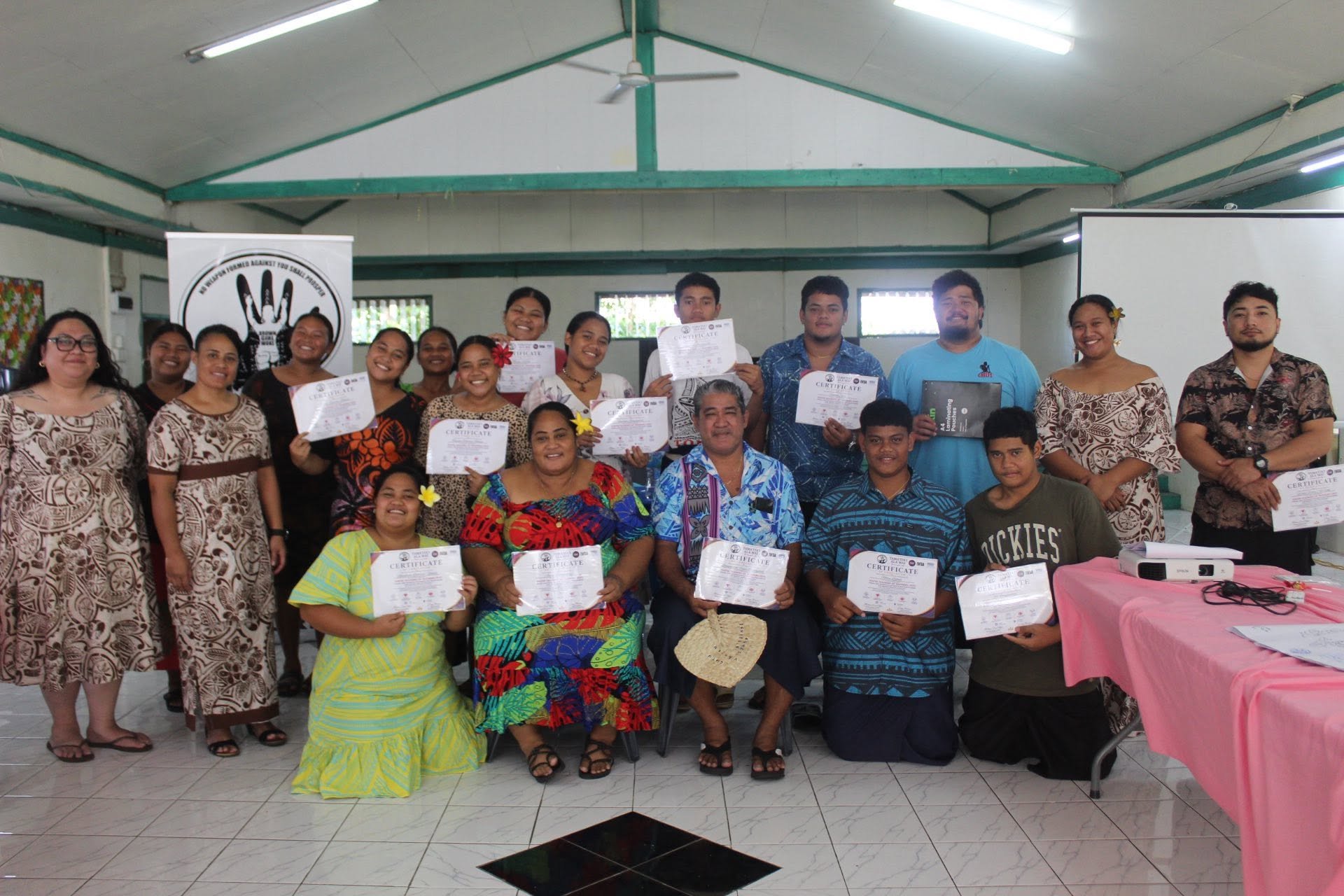
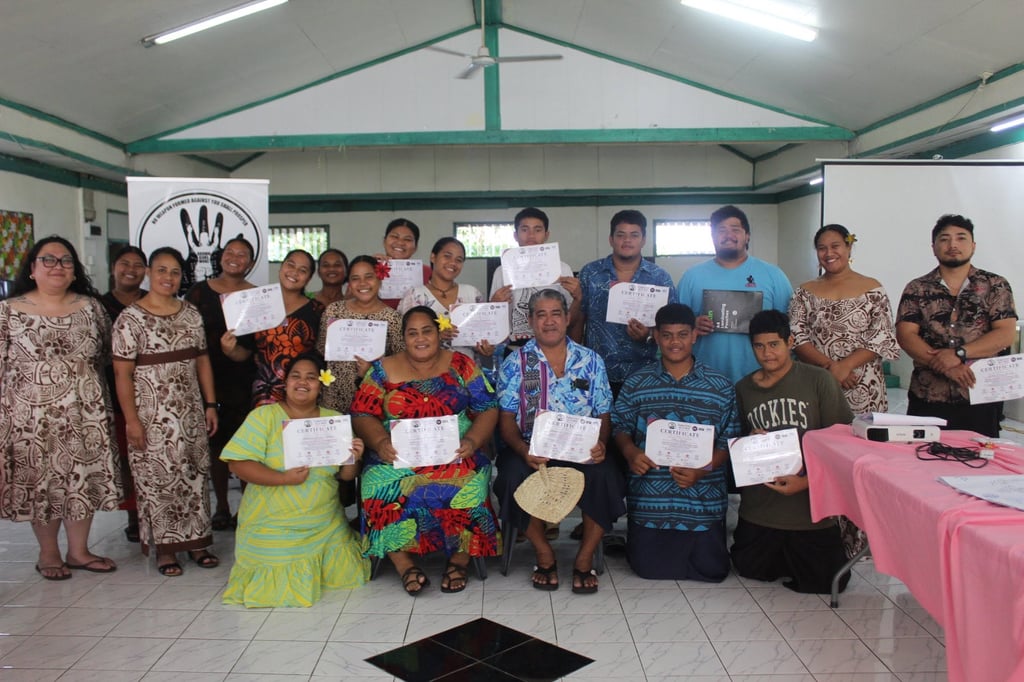
Like many youth who worked alongside Maluseu and her outreach programs through her organisation Brown Girl Woke, Va’a was one of those who wanted to make a difference in his community.
It’s a far cry then, to see the situation Va’a is in right now.
Once an inspiring youth leader, to now being arrested and detained in Vietnam for the alleged murder of Samoan gang ring leader Lorenzo Lemalu Tovia.
So where did it go wrong for Va’a?
Maluseu simply puts it down to a result of not having enough programmes or initiatives to help the young people in Samoa. While there are efforts from people like herself, it’s just a drop in the ocean when it comes to tackling the factors which lead young people astray and into drugs.
“I met Vaa through community work and youth outreach programmes. Like many young people who came through our initiatives, he wanted to contribute and be involved.
“He participated in community activities and outreach efforts and, from my experience, showed a willingness to give back,” Maluseu says.
“That’s what makes situations like this difficult because you see someone’s potential and their ability to positively contribute to society.”
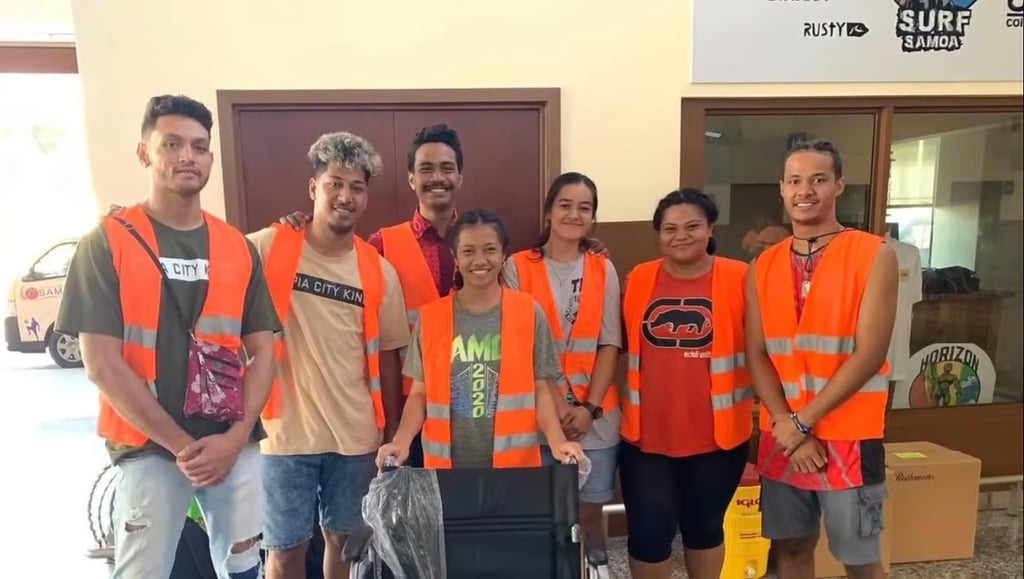
Va’a alongside another Samoan national, Steve Tofa, were both arrested for the alleged shooting of Tovia in Vietnam, and later confessed their involvement in the crime on national television. Both could be facing the death penalty if convicted.
Back home in Samoa, Va’a and Tofa’s actions have led to a major follow up by local authorities as they try to unravel how the two accused got tied up in all of this.
Three people have appeared in court in Samoa in relation to the death in Vietnam, with a further three currently being questioned by police for their alleged involvement. Six bank accounts linked to those involved in the case have also been frozen.
For Maluseu, the killing in Vietnam paints a sad but realistic picture of what it’s like to be a youth advocate in Samoa, fighting the battle on drugs while keeping youth away from it.
“Youth work teaches humility. You can mentor someone, employ them, train them, support them, and believe in them, but you cannot live their life for them,” she says.
“That’s why youth development cannot depend on one mentor, one workshop, or one organisation. Young people need strong support systems around them every day. Families, villages, churches, schools, employers, and communities all have a role to play.”
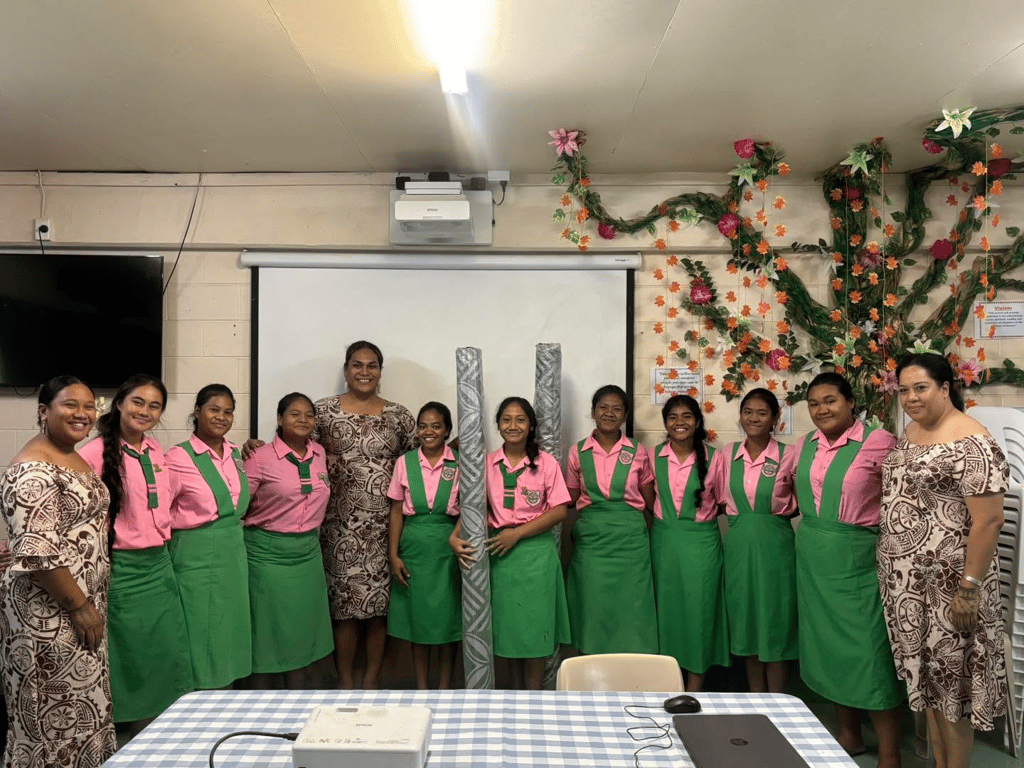
Having been on the ground and working with thousands of young people for more than 16 years she says that, with the rise of drug cases in Samoa, more programmes and initiatives targeting the youth should be enforced.
“This experience has reinforced my belief that leadership programmes alone are not enough,” she says.
“Across Samoa and the Pacific, young people face economic pressures, peer pressure, social influences, and uncertainty about their future. We often ask, ‘how could this happen? But perhaps the better question is, ‘what conditions made it possible?’
“One difficult story should never define an entire generation. Every day I meet young people who are resilient, talented, creative, and determined to build a better future. What motivates me is knowing there are hundreds of young people who still need support, opportunities, and someone willing to believe in them.”
For now, the work continues for Maluseu to help young people across her homeland. With a story like Va’a’s, she hopes it sparks a new approach to helping the youth.
Although she does not tolerate the actions and the alleged murder, she hopes it becomes a lesson.
“We need to stop treating drugs as only a law-and-order issue. This is also a youth issue, a mental health issue, a family issue, and an economic issue.
“Samoa must invest more in prevention than punishment. More vocational training. More youth employment. More mental health services. More sports, arts, and community spaces. More opportunities for young people to feel like they belong and have a future worth fighting for,” Maluseu says.
“My biggest fear is that we will spend weeks talking about one young man’s story and completely miss the bigger picture. There are hundreds of young people in Samoa right now who feel unseen, unheard, and uncertain about their future. If we want a stronger Samoa tomorrow, we must start believing in our young people today.”
*Maluseu Doris Tulifau is the Founder and Executive Director of Brown Girl Woke. She has worked for 15+ years in Samoa as a youth advocate, community organiser, anthropologist and activist. Her work focuses on creating opportunities for young people, amplifying voices that are often unheard, and tackling issues that many people are uncomfortable talking about—from violence and abuse to poverty, gender inequality, mental health, and now, increasingly, drugs. You can find more of the work she does with BGW on their Facebook and Instagram pages @Brown Girl Woke.