“Success isn’t just measured by participation numbers. It’s about people feeling seen, respected and valued, and knowing they have a place in our game” – Hussain Hanif, NZ Football Diversity and Inclusion Manager.
Widely acknowledged as the “World’s Game” football has cemented itself as a truly global sport being accessible to everyone.
That same mantra’s been at the heart of New Zealand Football these past three years, with its collaboration with the Ministry of Pacific Peoples to strengthen participation of Pacific women and communities in football.
Through the partnership, New Zealand Football delivered nationwide initiatives including football festivals and talanoa workshops designed to strengthen ties with Pacific communities.
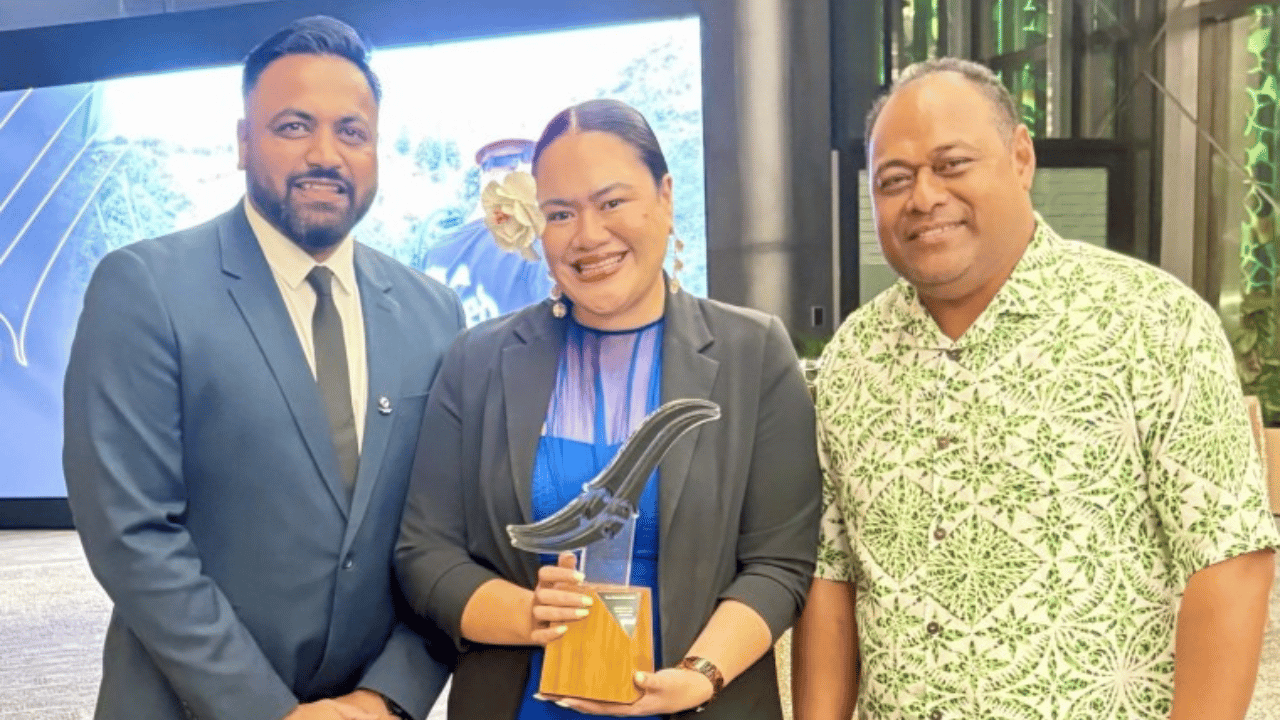
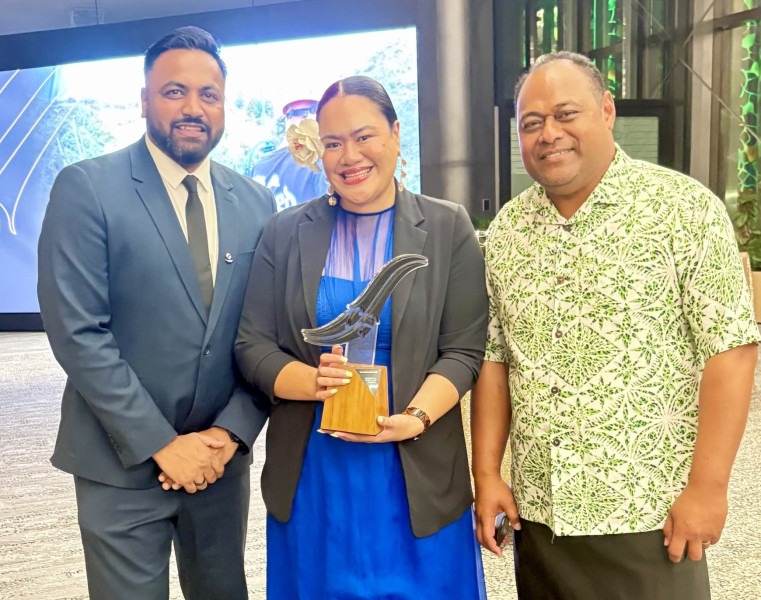
Their work was recently recognised at the New Zealand Sport and Recreation Awards, as they picked up the Leadership in Diversity and Inclusion Award.
NZ Football Diversity and Inclusion Manager Hussain Hanif said that receiving the award was not a reflection of their work but an achievement made possible by the Pacific communities within football.
“While it’s fantastic to be recognised, the award is really a reflection of the relationships we’ve built with our Pacific communities over a number of years. It acknowledges the work of our staff, federations, clubs, volunteers, community leaders and, most importantly, the Pacific families who trusted us and helped shape this journey,” Hussain said.
“Our partnership with the Ministry for Pacific Peoples has been fundamental to the success of this work. Rather than creating programmes for Pacific communities, we worked alongside MPP to engage directly with Pacific leaders, families and organisations to understand what was important to them.”
Having conducted its programmes over the past three years, Hussain also emphasised the importance of going to the grassroots and speaking to Pacific people on the ground.
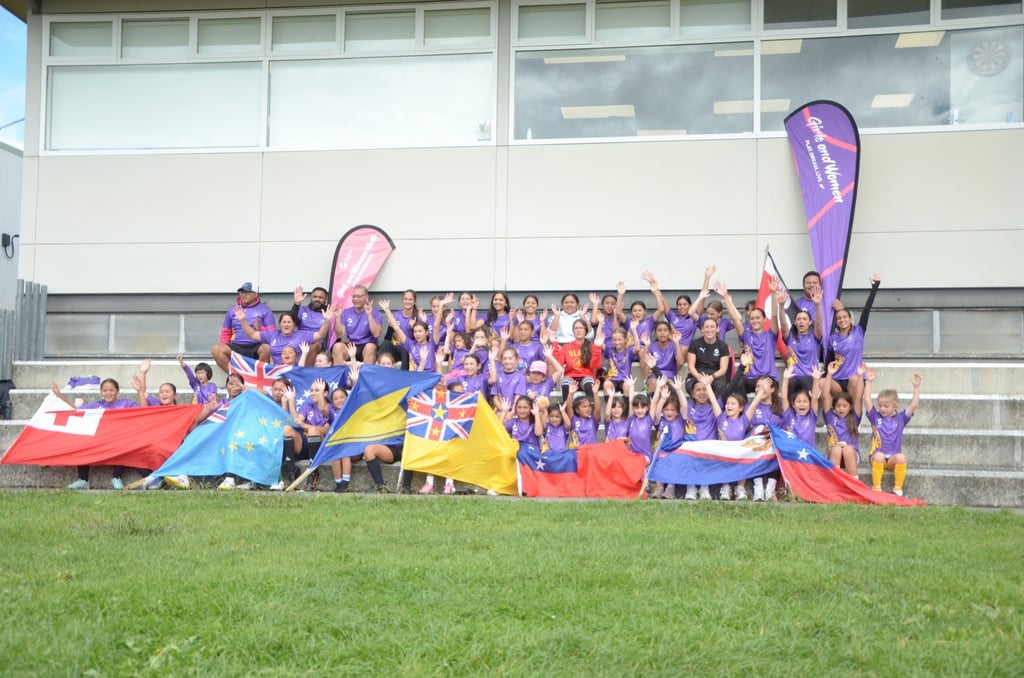
“We held talanoa sessions with 208 responses and community conversations in person and online across the country, engaging with Pacific players, parents, coaches, referees, volunteers and community leaders,” he added.
“Those conversations helped us better understand the barriers to participation, what was already working well, and where football could improve.
“From there, we worked with communities to develop initiatives that strengthened participation, leadership opportunities, coaching and volunteering pathways, while ensuring our environments were more culturally welcoming and inclusive.”
In 2024 and 2025, New Zealand Football also hosted a national ‘Pasifika in Football’ leadership programme and coach development courses for Pacific players, coaches and leaders, helping strengthen Pacific representation within the sport.
The work contributed to an eight percent increase in overall Pacific participation and a 10 percent increase in Pacific women’s player participation in 2025. During the same period, more than 3,200 coaches engaged in formal development pathways, representing a 25 percent year-on-year increase.
For New Zealand Football as an organisation, results like this proves to them the importance of listening to communities and those at the grassroots of football in the country.
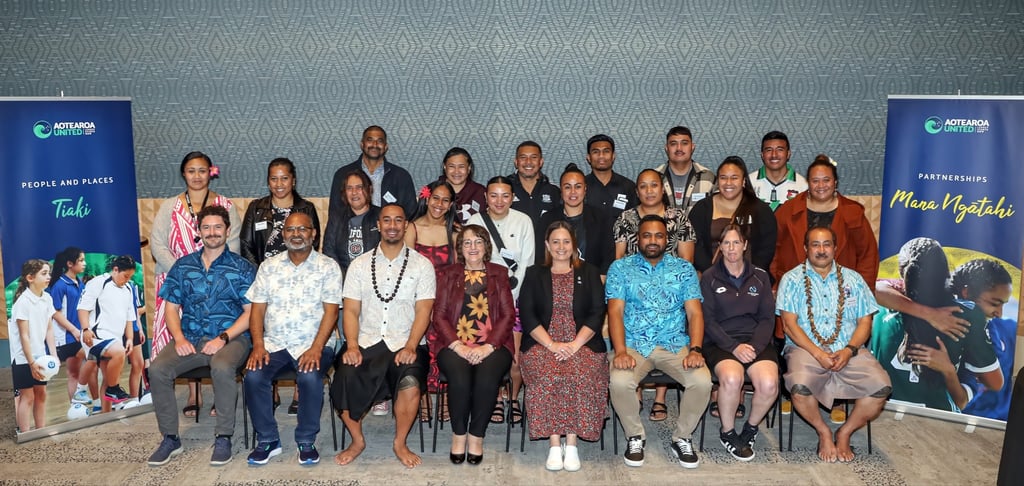
With its work now recognised in the Pasifika community, NZ Football is keen to continue that momentum within other underrepresented communities in the sport.
“Pacific communities have always made a huge contribution to football in New Zealand, both on and off the pitch. Being able to create more opportunities for Pacific players, coaches, officials and leaders and to help ensure they feel a genuine sense of belonging is something we’re incredibly proud of,” Hussain said
“Ultimately, success isn’t just measured by participation numbers. It’s about people feeling seen, respected and valued, and knowing they have a place in our game. Our goal is for inclusion to be embedded across everything we do, so everyone feels welcome and has the opportunity to thrive in football.”