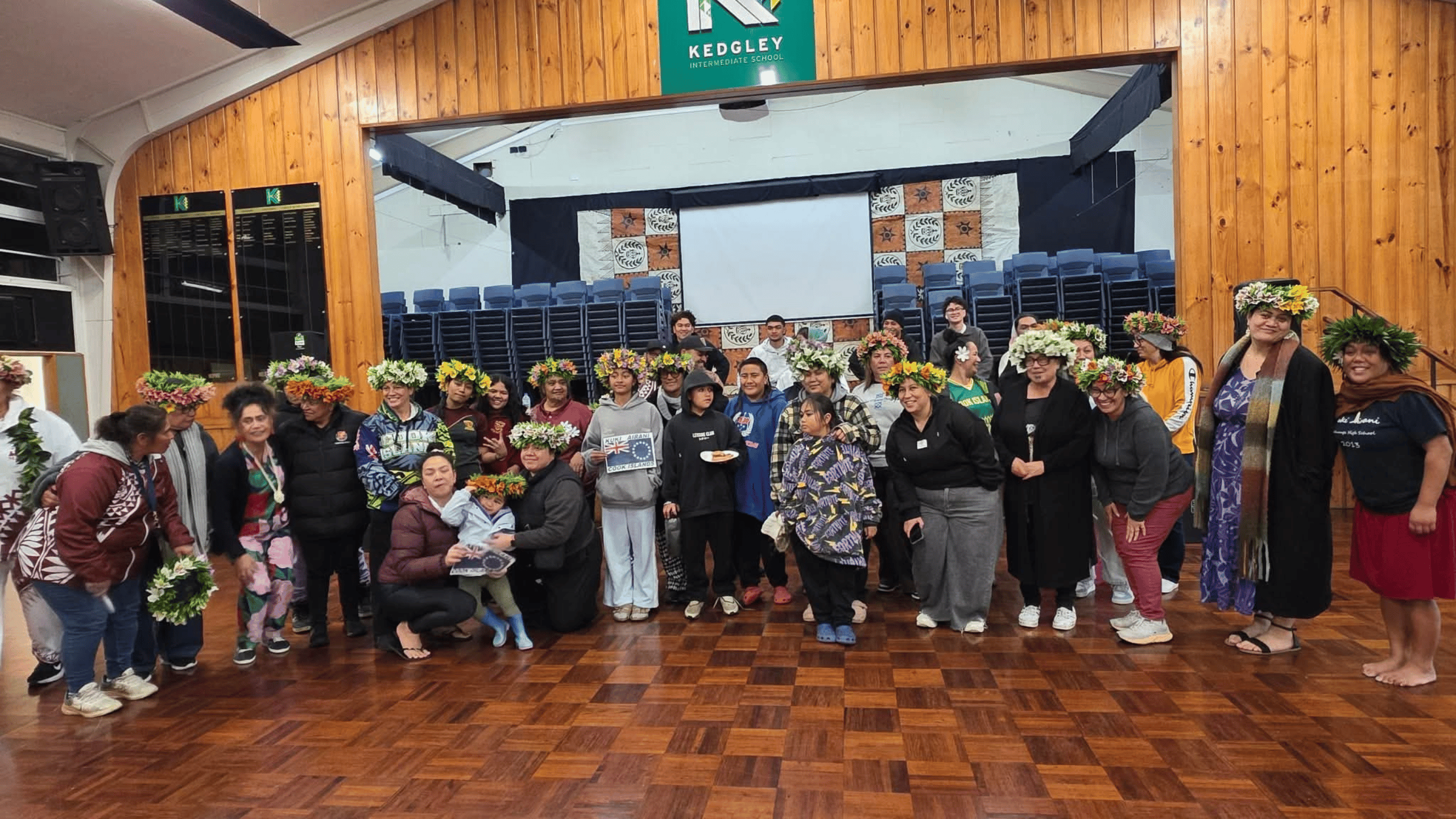
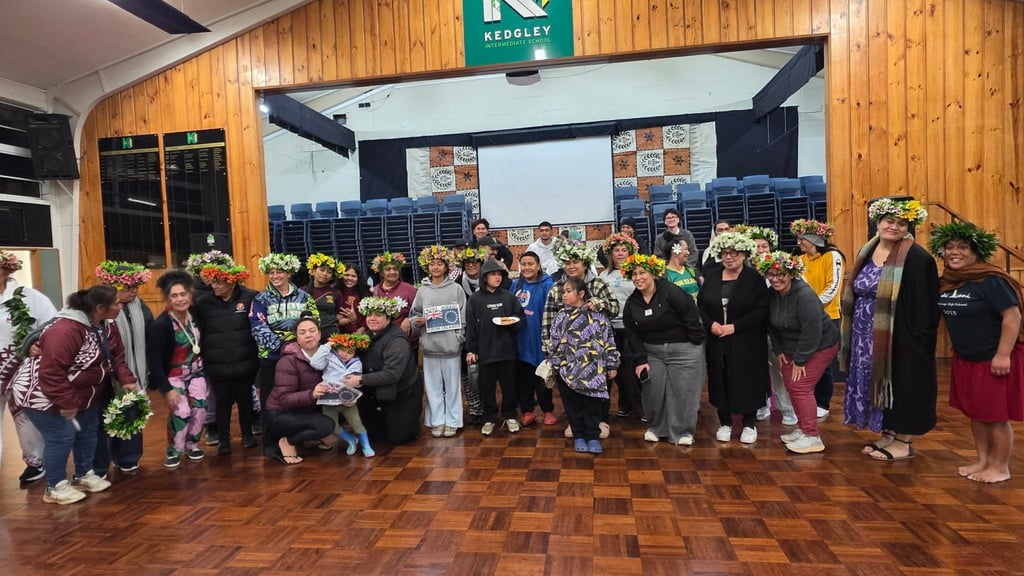
“Mangaia is part of the Cook Islands and is one of the oldest islands in the Pacific. Its dialect is unique, and every dialect in the Cook Islands contributes to the richness of te reo Māori Kūki ‘Airani” – Educator Linda Zoll
In 2026 the theme for Cook Islands Māori Language Week is “Me kite koe i te tuatua i to’ou reo tupuna, e turanga rangatira tena nō’ou no te uki amuri atu” – With our language as our foundation, we will embrace the future.
It emphasises the focus of being able to preserve the culture and language while understanding its importance for the future.
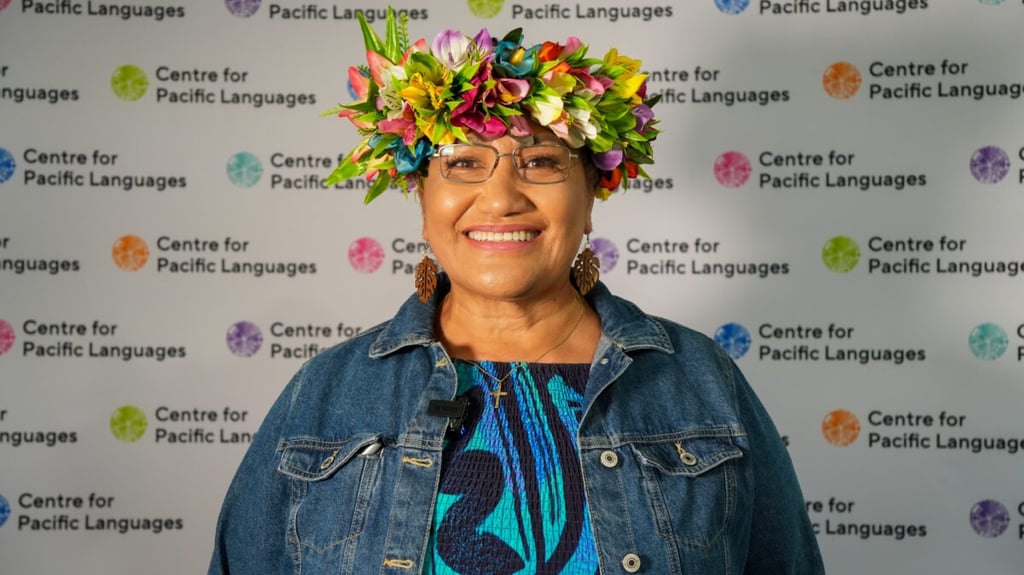
Educator and translator Linda Zoll, from the Centre for Pacific Languages in Auckland, is no stranger to keeping the Cook Islands Maori language and culture alive in New Zealand, dedicating a lot of her work to helping those on this journey of identity.
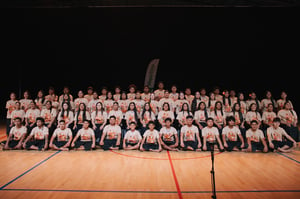
For this year’s Kuki Airani Language Week celebrations, Linda held workshops at the start of the week, showcasing language skills and other parts of the culture through song, dance and crafts.
Another key part of the session was the emphasis on the importance of the Mangaian dialect. This is the specific form of the Cook Islands Maori language spoken on the southern-most island of Mangaia where Linda herself was born and raised.
She credits her grandparents and parents for being her first teachers in the dialect, which she’s keen to pass down to future generations through her work.
“The Mangaian dialect is the traditional way of speaking on the island of Mangaia. It carries unique vocabulary, pronunciation, and cultural references that reflect the island’s history, stories, and identity,” Linda says.
“It is important because it preserves the unique identity, history, and knowledge of our island. Mangaia is part of the Cook Islands and is one of the oldest islands in the Pacific. Its dialect is unique, and every dialect in the Cook Islands contributes to the richness of te reo Māori Kūki ‘Airani.”
Being able to use different mediums such as dance and arts and crafts to utilise in her teaching is crucial for Linda as these are important parts of the culture.
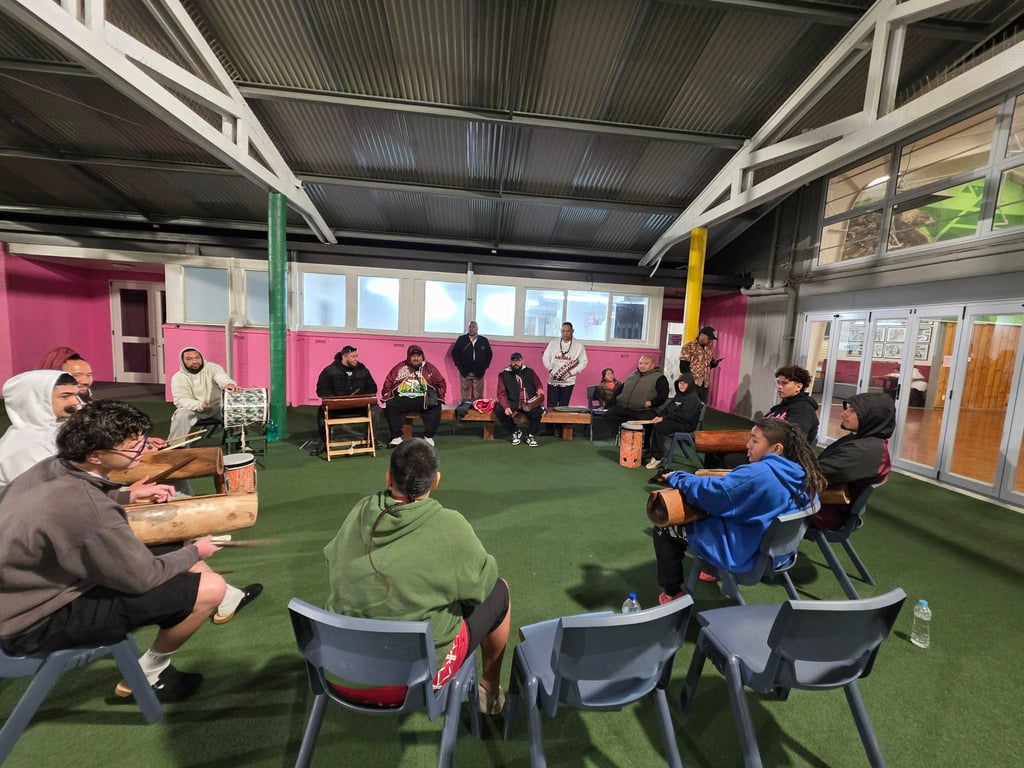
Participants learned how to make a traditional tārae (tāviri ‘ei katu) and explored Cook Islands drumming (rutu pātē), alongside learning the language, pronunciation, and everyday expressions.
Linda described it as a “natural way of passing the language” through the different generations.
“Through songs, dance, drumming, arts, and crafts, people learn vocabulary, stories, values, customs, and cultural knowledge in a way that is engaging, practical, and memorable. These cultural practices bring language to life, allowing people to experience it, use it with confidence,” she says.
Like many other Pacific Languages celebrated around the country, there is a lot of focus on the future generation and their role in helping revive and restore languages.
And although she agrees with this idea, Linda also believes it is a “shared responsibility” within the community.
Encouraging it within these workshops is key for Linda in her line of work as a translator and educator. Language is identity and it carries the stories of the ancestors but also those present now.
“Language revitalisation is most successful when the whole community works together across every generation,” she says.
“I want future generations to know where they come from, to speak our reo with confidence, and to be proud of their heritage. For me, reviving our reo is an act of love for our people, our culture, and the generations that will follow.”
For this year’s celebrations, Linda was most proud of being able to see the different walks of life in the language come together to learn, understand and celebrate the beauty of the culture and identity.
It also became a reminder for her of the importance of holding such activities and workshops and how it allows those residing in New Zealand to be confident in their culture.
But the work does not stop here she says, as it has only just begun. The week-long celebrations may have ended for the year, but she believes there is still much more work to do.
“I want to keep creating opportunities for people to learn te reo Māori Kūki ‘Airani through workshops, educational resources, translation, and community programmes. I am also passionate about documenting and preserving the Mangaian dialect so it can be passed on to future generations.
“My vision is to see our language heard more often in our homes, schools, workplaces, and communities, ensuring that te reo Māori Kūki ‘Airani and our unique dialects remain living languages that continue to thrive for generations to come.’