“There is a health crisis and we can see it everywhere” – Dr Vanisi Prescott GP
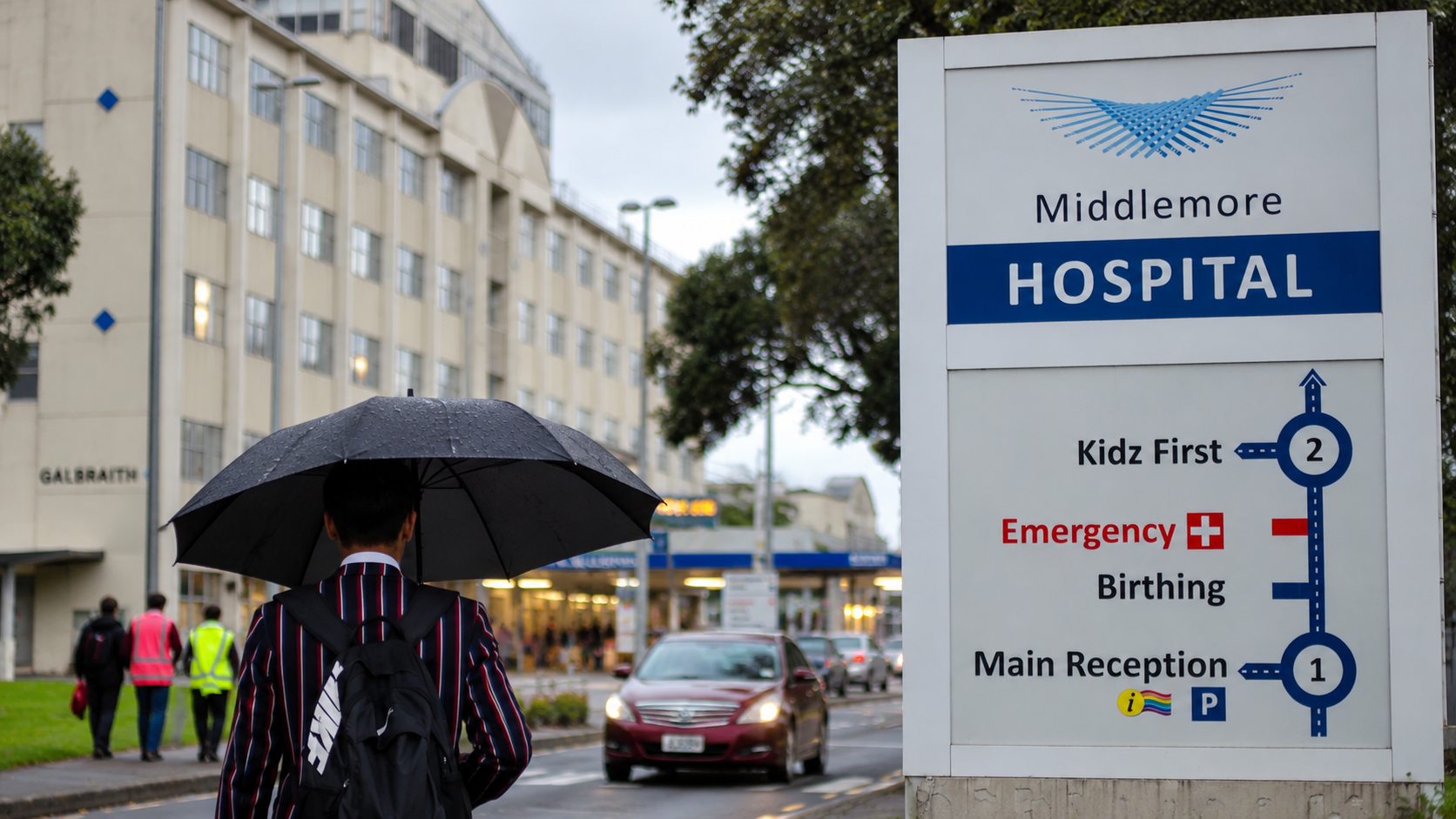
The New Zealand health system is in a state of emergency, long waits for GP visits, a shortage of doctors and nurses and overrun hospital emergency rooms.
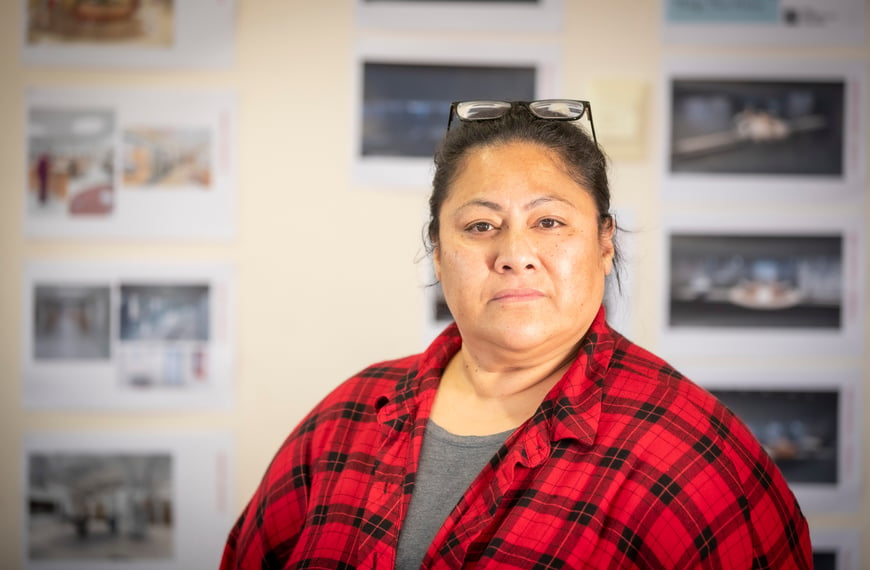
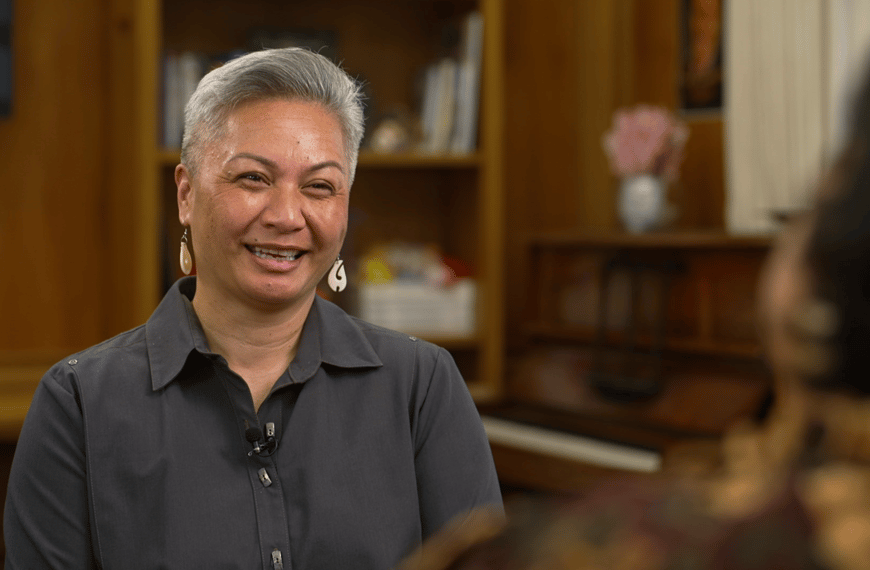
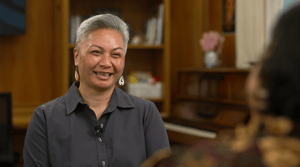
GP and Urgent care physician Dr Vanisi Prescott says the health system is in dire straits.
“I work as a GP and so I can see it in the clinic. We’re struggling with getting recruitment for doctors, even in urgent care as well. There’s hardly any doctors and then you hear of the shortages of nurses in the hospital.
“It’s just crazy and most of the time we have patients who come in and they really need to go to the hospital,” Dr Prescott says.
The New Zealand Nurses Organisation say the government has only added a net 54 nurses to the public health system over a two-year period, largely due to a hiring freeze and vacant roles.
The shortage of nurses and doctors means the health system persistently delivers unequal outcomes, especially for Māori and Pasifika communities.
“If they can’t access that, they go to the hospital and these long waiting hours.
“Are they going to end up seeing doctors? Probably not. So, then what do they do? They go home and then our people are suffering and maybe even passing away at home,” she says.
Community support agency the Salvation Army is also noticing the stress on Pasifika families wrought by problems in the health sector and with income insecurity.
Salvation Army Social Policy analyst Ana Ika says the rising cost of living means many Pacific families are opting not to see GPs or a dentist for help.
“We’ve noticed health challenges being an issue as well and because a lot of our families are putting off visiting the GP and visiting the doctors early.
“They often end up in health crisis situations where they’re having to go straight into hospital and that creates a heavy burden on our health system.”
Dentist Dr Asa Vete who co-owns his dental practice in Mangere Bridge says it’s a grim reality that many Pasifika and Māori struggle to afford dental appointments.
“I agree with the stats that there are still, on average, a lot of Pasifika adults who are putting off dental care,” he says.
“But here and on the ground the trend is, there are Pasifika families still coming in for a variety of treatments.”
Dr Vete surgery hasn’t seen a drop in numbers which is positive, but prevention and education is key to keeping cost down.
“We’re still getting the acute turn up, with people turning up with the toothaches wanting treatment, and we’re also getting patients who are just being proactive, coming in and getting their yearly checks,” he says.
“There’s a mixture I wouldn’t say that it’s predominantly just one type of presentation to our clinics, which is a good thing.”
But with the election looming, medical professionals just want the government to prioritise investing in the health system.
“The stance that we’re wanting from the government is that we need funding. We don’t want funding just to stop when a child turns 18,” says Dr Vete.
Dr Prescott is concerned with the inadequate state of the health system.
“Health is a priority, not just for our community and our Pasifika people, all groups that are underrepresented,” she says.
“Because if we don’t have access to health now, they are just going to get more sick, and that’s just going to be a huge burden not only on the health system, but even on our economy.
“So, if we can prevent and prioritise health, then we won’t have to get into that state.”